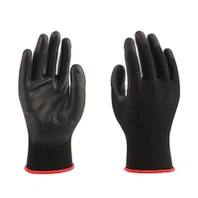
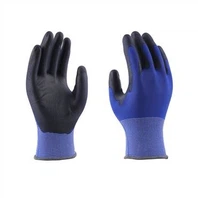
Synthetic leather gloves have become increasingly popular in various industries due to their durability, affordability, and versatility. As a leading supplier of synthetic leather gloves, I often get asked about the materials used to make these gloves. In this blog post, I'll delve into the different materials commonly used in the production of synthetic leather gloves and their unique properties.
Polyurethane (PU)
Polyurethane is one of the most widely used materials in the manufacturing of synthetic leather gloves. It is a type of polymer that can be engineered to mimic the look and feel of natural leather. PU synthetic leather is known for its excellent abrasion resistance, making it ideal for applications where gloves are subjected to rough handling or friction.
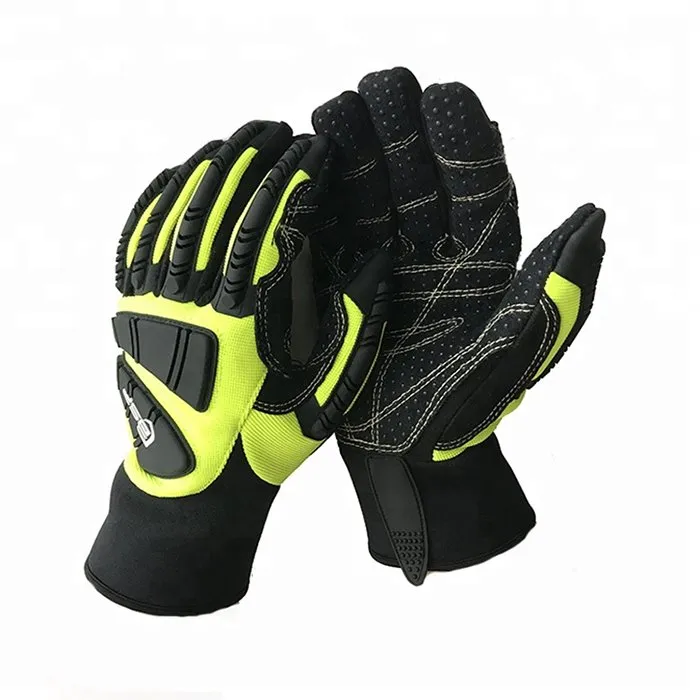
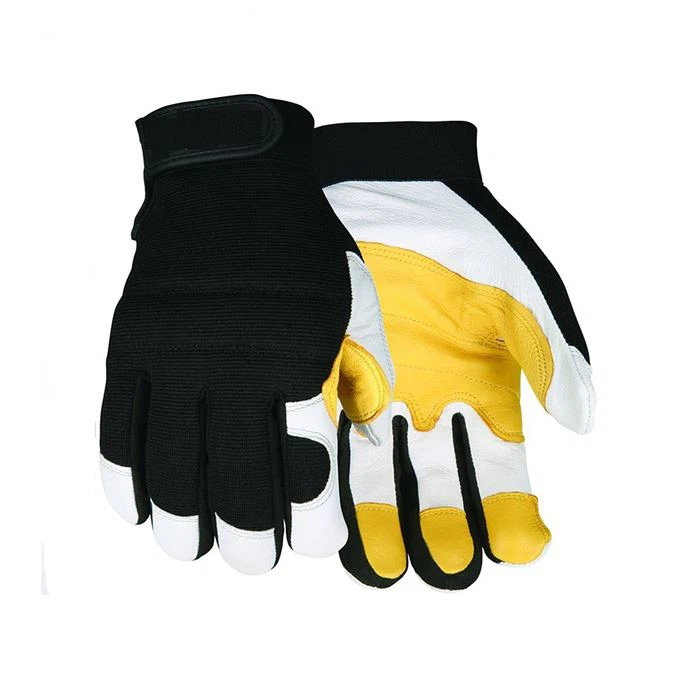
One of the key advantages of PU is its ability to be formulated with different levels of softness and flexibility. This allows manufacturers to create gloves that are comfortable to wear for extended periods while still providing the necessary protection. Additionally, PU synthetic leather can be treated to be water-resistant, which is beneficial in wet or damp working environments.
PU synthetic leather gloves are commonly used in industries such as automotive, construction, and manufacturing. For example, our Light Duty Mechanic Glove is made with high-quality PU synthetic leather, providing mechanics with a durable and comfortable option for light to medium-duty tasks.
Polyvinyl Chloride (PVC)
Polyvinyl Chloride, or PVC, is another popular material for synthetic leather gloves. PVC is a thermoplastic polymer that is known for its chemical resistance and low cost. Gloves made from PVC synthetic leather are often used in industries where protection against chemicals, oils, and solvents is required.
PVC synthetic leather can be formulated to have a variety of textures and finishes, from smooth and shiny to rough and matte. This makes it suitable for different applications and aesthetic preferences. However, PVC is generally less breathable than other materials, which can lead to sweating and discomfort during prolonged use.
Despite its limitations, PVC synthetic leather gloves are widely used in industries such as agriculture, chemical processing, and food handling. Our Synthetic Work Gloves made with PVC synthetic leather offer reliable protection against a range of hazards, making them a popular choice for workers in these industries.
Microfiber
Microfiber is a synthetic material made from extremely fine fibers, typically less than one denier in diameter. Microfiber synthetic leather is known for its softness, breathability, and high level of comfort. It closely resembles the texture and appearance of natural leather, making it a popular choice for gloves that require a premium look and feel.
One of the main advantages of microfiber is its excellent moisture-wicking properties. It can absorb and evaporate sweat quickly, keeping the hands dry and comfortable even during strenuous activities. Microfiber synthetic leather gloves are also highly flexible and conform to the shape of the hand, providing a snug and comfortable fit.
Microfiber synthetic leather gloves are commonly used in industries such as electronics, healthcare, and cleanroom environments. Our Synthetic Leather Work Gloves made with microfiber synthetic leather offer a combination of comfort, protection, and style, making them suitable for a wide range of applications.
Blended Materials
In addition to the single materials mentioned above, many synthetic leather gloves are made from blended materials. Blending different materials allows manufacturers to combine the best properties of each material, creating gloves that offer superior performance and functionality.
For example, a glove may be made with a combination of PU and microfiber. The PU provides abrasion resistance and durability, while the microfiber adds softness and breathability. Blended materials can also be used to achieve specific performance characteristics, such as enhanced grip or improved cut resistance.
Blended synthetic leather gloves are used in a variety of industries, depending on the specific requirements of the application. They offer a versatile and cost-effective solution for workers who need protection without sacrificing comfort.
Other Considerations
When choosing synthetic leather gloves, it's important to consider not only the materials used but also other factors such as the design, fit, and intended use. Gloves should be properly sized to ensure a comfortable and secure fit, and they should be designed to provide adequate protection for the specific hazards encountered in the workplace.
In addition, it's important to choose gloves from a reputable supplier who uses high-quality materials and manufacturing processes. At our company, we are committed to providing our customers with the highest quality synthetic leather gloves that meet or exceed industry standards.
Conclusion
Synthetic leather gloves are made from a variety of materials, each with its own unique properties and advantages. Polyurethane, polyvinyl chloride, microfiber, and blended materials are all commonly used in the production of these gloves, offering different levels of durability, comfort, and protection.
As a leading supplier of synthetic leather gloves, we offer a wide range of products to meet the needs of different industries and applications. Whether you're a mechanic, a construction worker, or a healthcare professional, we have the right gloves for you.
If you're interested in learning more about our synthetic leather gloves or would like to discuss your specific requirements, please don't hesitate to contact us. We're here to help you find the perfect gloves for your needs and provide you with the best possible service.
References
- "Synthetic Leather: Properties, Types, and Applications." Encyclopedia of Polymer Science and Technology.
- "Polyurethane in the Global Market: Production, Applications, and Future Trends." Journal of Applied Polymer Science.
- "Polyvinyl Chloride (PVC): A Versatile Polymer with a Wide Range of Applications." Polymer International.
- "Microfiber: A Revolutionary Material for the Textile Industry." Textile Research Journal.