PU gardening gloves have become a popular choice among gardeners due to their durability, flexibility, and resistance to water and chemicals. One common question that arises among users is whether these gloves stretch over time. In this blog post, I'll delve into this topic based on my experience as a PU gardening gloves supplier.
The Nature of PU Material in Gardening Gloves
PU, or polyurethane, is a synthetic material widely used in glove manufacturing. It offers a combination of strength and flexibility, making it ideal for gardening tasks. When it comes to stretching, the behavior of PU gardening gloves depends on several factors, including the type of PU coating, the base material of the glove, and how the gloves are used and maintained.
Types of PU Coatings
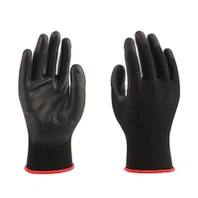
There are different types of PU coatings applied to gardening gloves. Some are thin and more flexible, while others are thicker and offer more protection. Thinner PU coatings tend to have more inherent flexibility, which means they may stretch more easily over time. For example, our PU Coated Gloves - Black feature a relatively thin yet durable PU coating that provides a good balance between protection and flexibility. This type of coating may gradually stretch to conform to the shape of the hand with regular use.
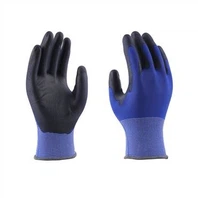
On the other hand, thicker PU coatings are designed to provide enhanced protection against sharp objects, chemicals, and abrasion. These coatings are less likely to stretch significantly. Our Pu Palm Coated Nylon Glove has a thicker palm coating that offers excellent durability, and while it may experience some minor stretching, it maintains its structural integrity for long - term use.
Base Material of the Gloves
The base material of the glove also plays a crucial role in its stretching properties. Many PU gardening gloves have a base made of materials such as nylon, polyester, or cotton. Nylon is a strong and lightweight material that has some elasticity. Gloves with a nylon base, like our Black Coating PU Top Work Gloves, are more likely to stretch over time compared to those with a cotton base. Cotton is a natural fiber that is less elastic and may stretch less. However, cotton - based gloves are often more breathable, which can be an advantage during long gardening sessions.
Factors Affecting Stretching
Frequency and Intensity of Use
The more frequently and intensively the gloves are used, the more likely they are to stretch. Gardening involves a variety of tasks, from digging and weeding to pruning and handling chemicals. Repeated movements and gripping actions can cause the gloves to stretch. For example, if you are a professional gardener who uses the gloves for several hours a day, you may notice more stretching compared to a casual gardener who only uses them occasionally.
Hand Movements
Different hand movements can also impact the stretching of the gloves. Activities that require a lot of grasping and squeezing, such as using pruning shears or pulling out weeds, put more stress on the glove material. Over time, these repetitive movements can cause the gloves to stretch in specific areas, such as the fingers and palm.

Maintenance
Proper maintenance of the gloves can affect their stretching properties. Washing the gloves too frequently or using harsh detergents can damage the PU coating and the base material, leading to excessive stretching. It's important to follow the manufacturer's instructions for cleaning and storing the gloves. Generally, it's recommended to wash the gloves by hand in lukewarm water with a mild detergent and let them air - dry. Avoid wringing or twisting the gloves, as this can also cause stretching.
Benefits and Drawbacks of Stretching
Benefits
One of the main benefits of stretching is that the gloves can conform better to the shape of the hand. This can improve comfort and dexterity, allowing for more precise movements while gardening. A well - fitting glove that has stretched to the shape of the hand can also reduce fatigue during long - term use.
Drawbacks
However, excessive stretching can also be a problem. If the gloves stretch too much, they may become loose and lose their grip. This can be dangerous, especially when handling sharp tools or chemicals. Loose gloves may also allow dirt and debris to enter, reducing the overall protection provided by the gloves.
How to Minimize or Control Stretching
If you want to minimize stretching, there are a few things you can do. First, choose gloves with a thicker PU coating and a less elastic base material if you anticipate heavy use. Second, follow the proper maintenance instructions to ensure the longevity of the gloves. Third, avoid over - using the gloves. If possible, rotate between multiple pairs of gloves to distribute the wear and tear.
Conclusion
In conclusion, PU gardening gloves can stretch over time, but the extent of stretching depends on various factors such as the type of PU coating, the base material, frequency and intensity of use, hand movements, and maintenance. While some stretching can be beneficial for comfort and fit, excessive stretching can lead to a loss of grip and protection. As a supplier of high - quality PU gardening gloves, we offer a range of products to meet different needs. Whether you need gloves for light gardening tasks or heavy - duty work, we have the right solution for you.
If you're interested in purchasing our PU gardening gloves or have any questions about our products, we encourage you to reach out to us for a procurement discussion. We look forward to serving you and helping you find the perfect gloves for your gardening needs.
References
- "Polyurethane in Glove Manufacturing: Properties and Applications" - Journal of Industrial Textiles
- "Factors Affecting the Durability and Performance of Gardening Gloves" - International Journal of Gardening Science