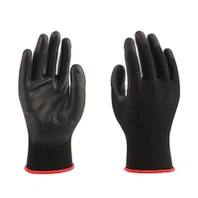
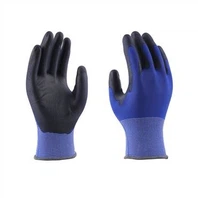
Hey there! As a supplier of Nitrile Foam Coated Gloves, I often get asked about the tear strength of these gloves. So, let's dive right into it and break down what tear strength means for nitrile foam coated gloves.
First off, what exactly is tear strength? Tear strength is a measure of how well a material can resist tearing when a force is applied to it. In the context of nitrile foam coated gloves, it's a crucial factor because these gloves are used in all sorts of tough jobs. Whether you're working in construction, handling sharp objects in a manufacturing plant, or doing some heavy - duty cleaning, you need gloves that won't tear easily.
The nitrile foam coating on these gloves plays a huge role in determining their tear strength. Nitrile is a synthetic rubber that's known for its excellent chemical resistance, puncture resistance, and of course, tear strength. The foam part of the coating adds an extra layer of protection and flexibility. The foam structure is designed to absorb and distribute force, which helps prevent the glove from tearing when it comes into contact with sharp edges or rough surfaces.
Let's talk about the factors that can affect the tear strength of nitrile foam coated gloves. One of the main factors is the thickness of the nitrile coating. Generally speaking, a thicker coating will have a higher tear strength. But it's not just about slapping on a thick layer of nitrile. The quality of the nitrile material also matters a great deal. High - quality nitrile has better molecular structure and bonding, which means it can withstand more force before tearing.
Another factor is the manufacturing process. A well - made nitrile foam coated glove will have a uniform coating thickness and a proper foam structure. If the coating is uneven, there will be weak spots where the glove is more likely to tear. For example, if the foam cells are too large or unevenly distributed, it can reduce the overall tear strength of the glove.
Now, let's look at some real - world applications and why tear strength is so important. In the automotive industry, mechanics often use nitrile foam coated gloves when working on engines or handling sharp metal parts. A glove with low tear strength could easily tear, exposing the mechanic's hand to cuts, abrasions, and even chemical spills. Similarly, in the food processing industry, workers need gloves that can withstand the constant handling of sharp knives and rough food products without tearing. A torn glove could contaminate the food and pose a safety risk to the consumer.
As a supplier, I've seen the demand for high - tear - strength nitrile foam coated gloves grow over the years. Customers are becoming more aware of the importance of having reliable gloves for their work. That's why we offer a range of nitrile foam coated gloves with different tear strengths to meet the diverse needs of our customers.
For those who need a lightweight and flexible glove with decent tear strength, our Micro - foam Nitrile Gloves are a great option. These gloves have a fine - celled foam structure that provides good grip and protection while still being comfortable to wear for long periods.


If you're looking for a glove with even higher tear strength and better resistance to chemicals, our Water Flushed Microfoam Nitrile Coated Gloves are worth considering. The water - flushing process during manufacturing helps to create a more uniform and dense foam structure, which in turn increases the tear strength of the glove.
And for the toughest jobs, our Microfoam Nitrile Coated Gloves are the top choice. These gloves are designed to withstand extreme conditions and heavy - duty use. They have a thick nitrile coating and a well - structured foam layer that can take a beating without tearing.
In conclusion, tear strength is a vital characteristic of nitrile foam coated gloves. It can make a big difference in the safety and efficiency of workers in various industries. When choosing nitrile foam coated gloves, it's important to consider the tear strength along with other factors like comfort, grip, and chemical resistance.
If you're in the market for high - quality nitrile foam coated gloves with excellent tear strength, don't hesitate to reach out to us. We're always happy to discuss your specific needs and help you find the right glove for your job. Whether you're a small business or a large corporation, we can provide you with the best solutions at competitive prices. Let's have a chat about your glove requirements and see how we can work together to keep your hands safe and productive.
References
- ASTM International. (20XX). Standard test methods for rubber property - tear strength.
- Smith, J. (20XX). The science of nitrile glove materials. Journal of Industrial Safety.
- Brown, A. (20XX). Applications of nitrile foam coated gloves in different industries. Industrial Hygiene Magazine.