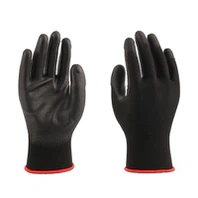
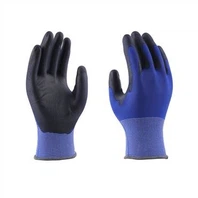
In various industrial and daily applications, the performance of gloves under different environmental conditions is a crucial factor. As a supplier of NBR gloves, I've received numerous inquiries about how our NBR gloves perform in high - humidity environments. In this blog, I'll delve into the characteristics of NBR gloves and their performance in high - humidity settings.
Understanding NBR Gloves
Nitrile Butadiene Rubber (NBR) gloves are a popular choice in many industries due to their excellent chemical resistance, puncture resistance, and durability. They are made from a synthetic rubber compound that combines acrylonitrile and butadiene. This unique composition gives NBR gloves a set of properties that make them suitable for a wide range of tasks, from laboratory work to industrial manufacturing.
The chemical resistance of NBR gloves is one of their most significant advantages. They can withstand contact with a variety of chemicals, including oils, greases, solvents, and some acids. This makes them ideal for use in environments where workers are exposed to potentially harmful substances. Additionally, NBR gloves have good puncture resistance, which helps protect hands from sharp objects.
Impact of High - Humidity Environments on Gloves
High - humidity environments can pose challenges to the performance of gloves. When the air is saturated with moisture, gloves can absorb water, which may affect their physical and chemical properties. For some types of gloves, high humidity can cause swelling, softening, or a decrease in their mechanical strength.
Swelling is a common issue in high - humidity conditions. When gloves absorb water, the material expands, which can lead to a loose fit. A loose - fitting glove can reduce dexterity and increase the risk of accidents as the glove may slip off during use. Softening of the glove material can also occur, making the glove less rigid and potentially reducing its ability to protect against sharp objects or chemicals.
Performance of NBR Gloves in High - Humidity Environments
Moisture Resistance
One of the key features of NBR gloves is their relatively good moisture resistance. The synthetic rubber composition of NBR gloves makes them less likely to absorb water compared to some other types of gloves, such as latex gloves. This means that in high - humidity environments, NBR gloves are less prone to swelling and softening.
The acrylonitrile component in NBR provides a certain degree of hydrophobicity, which helps repel water. As a result, NBR gloves can maintain their shape and mechanical properties better in humid conditions. Workers can rely on NBR gloves to provide consistent protection even when the air is moist.
Dexterity
Dexterity is crucial in many work environments, especially those that require fine motor skills. High - humidity can sometimes affect the dexterity of gloves, but NBR gloves perform well in this regard. Since they are less likely to absorb water and swell, they can maintain a snug fit on the hand.
A snug - fitting glove allows for better control and manipulation of objects. Whether it's handling small parts in a manufacturing setting or performing delicate laboratory procedures, NBR gloves enable workers to maintain their dexterity in high - humidity environments.
Chemical Resistance
The chemical resistance of NBR gloves remains largely intact in high - humidity conditions. The hydrophobic nature of NBR helps prevent water from interfering with the glove's ability to resist chemicals. Even when the gloves are exposed to moisture, they can still provide a reliable barrier against oils, greases, and many solvents.
However, it's important to note that extreme humidity and prolonged exposure to certain chemicals in combination may have a cumulative effect on the glove's chemical resistance. Regular inspection and replacement of gloves are still necessary to ensure continued protection.
Types of NBR Gloves Suitable for High - Humidity Environments
Blue Nitrile Gauntlet Gloves
These gloves are designed with a gauntlet style, which provides additional protection for the wrist and forearm. The blue nitrile material offers good moisture resistance, making them suitable for high - humidity environments where there may be splashes or spills. The gauntlet design helps prevent water from running down the arm and into the glove, further enhancing their performance in humid conditions.


Nitrile Coated Knitted Gloves
Nitrile coated knitted gloves combine the flexibility of a knitted inner layer with the protection of a nitrile coating. The knitted layer allows for breathability, which can be beneficial in high - humidity environments as it helps reduce sweating inside the glove. The nitrile coating provides chemical and puncture resistance, while also offering some degree of moisture resistance.
NBR Heavy Duty 3/4 Nitrile Coated Chemical Protective Work Gloves
These heavy - duty gloves are ideal for industrial applications in high - humidity environments. The 3/4 nitrile coating provides extensive protection for the hand, while the heavy - duty construction ensures durability. They can withstand the rigors of rough work and still maintain their performance in the presence of moisture.
Maintenance and Care of NBR Gloves in High - Humidity Environments
Proper maintenance and care of NBR gloves are essential to ensure their long - term performance in high - humidity environments. After use, gloves should be washed with mild soap and water to remove any contaminants. It's important to dry the gloves thoroughly before storing them.
Storing gloves in a dry place is crucial. High - humidity storage areas can cause the gloves to absorb moisture over time, even when they are not in use. Using a desiccant in the storage container can help reduce humidity and keep the gloves in good condition.
Conclusion
In conclusion, NBR gloves perform well in high - humidity environments due to their moisture resistance, dexterity, and chemical resistance. Their synthetic rubber composition makes them less susceptible to the negative effects of high humidity compared to some other glove materials. As a supplier of NBR gloves, I'm confident in the quality and performance of our products in various working conditions, including high - humidity settings.
If you're in need of reliable NBR gloves for your high - humidity work environment, I encourage you to contact us for a detailed discussion about your specific requirements. We can provide you with the right type of NBR gloves to ensure the safety and efficiency of your operations.
References
- ASTM International. (20XX). Standard test methods for rubber properties in compression.
- ISO. (20XX). International standard for protective gloves against chemicals and microorganisms.