Hey there! As a supplier of Latex Cut Resistant Gloves, I often get asked whether these gloves are suitable for sewing. Well, let's dive right into it and find out!
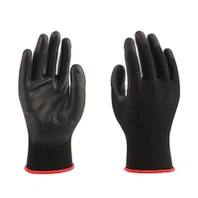
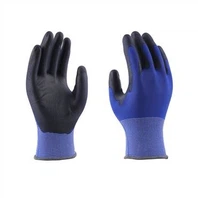
First off, let's talk about what makes latex cut - resistant gloves special. These gloves are designed with a layer of latex coating over a cut - resistant base material. The cut - resistant part is usually made of high - strength fibers like Kevlar or Spectra. These fibers are incredibly tough and can withstand sharp objects, which is why they're used in industries where workers are at risk of cuts, like construction, manufacturing, and food processing.
Now, when it comes to sewing, there are a few things to consider. One of the main concerns is dexterity. Sewing requires a high level of precision. You need to be able to manipulate the fabric, thread the needle, and make small, accurate stitches. Latex cut - resistant gloves, due to their protective layers, can sometimes be a bit bulky. This bulkiness might make it a bit challenging to perform those delicate sewing tasks. For example, trying to pick up a tiny needle or make a fine stitch while wearing thick gloves can be like trying to do surgery with boxing gloves on.
However, it's not all bad news. The latex coating on these gloves provides some benefits for sewing. Latex is a sticky material, which means it can help you grip the fabric better. When you're working with slippery fabrics like silk or satin, having a good grip is crucial. You won't have to worry about the fabric slipping out of your hands as you're trying to sew. This can actually save you a lot of time and frustration.
Another advantage is protection. Sewing involves working with sharp needles, and it's not uncommon to accidentally prick your finger. With latex cut - resistant gloves, you have an extra layer of protection. Even if the needle does poke through the fabric, it's less likely to penetrate the glove and cause an injury. This is especially important if you're sewing for long periods or if you're a beginner who might be more prone to making mistakes.
Let's also think about the durability of these gloves. Sewing can be a repetitive task, and your hands are constantly moving and rubbing against the fabric. The latex cut - resistant gloves are built to last. The cut - resistant base material can withstand a lot of wear and tear, and the latex coating is resistant to abrasion. So, you won't have to worry about the gloves falling apart after just a few sewing sessions. This makes them a cost - effective option in the long run.
But what about the different types of sewing? If you're doing heavy - duty sewing, like working on leather or denim, the cut - resistant gloves might be a great choice. These thick fabrics can be tough to sew through, and you might need more strength and protection. The gloves can handle the rough handling and the pressure from the needle. On the other hand, if you're doing embroidery or other fine - detail sewing, you might find the gloves too restrictive.
Now, if you're someone who gets cold easily, you might be interested in Cut Resistant Winter Gloves. These gloves combine the cut - resistant properties with insulation, keeping your hands warm while you sew. This can be a game - changer during the colder months when your fingers might get stiff and uncooperative.
So, are latex cut - resistant gloves suitable for sewing? It really depends on your personal preferences and the type of sewing you're doing. If you value protection and grip, and you can tolerate a bit of bulkiness, then these gloves could be a great addition to your sewing toolkit. But if you need maximum dexterity for very fine - detail work, you might want to stick to regular, thinner gloves.
If you're interested in giving latex cut - resistant gloves a try for your sewing projects, I'd love to talk to you. I can provide you with more information about the different styles and sizes we offer. Whether you're a professional seamstress or just someone who likes to sew as a hobby, we've got the right gloves for you. Reach out to me, and we can discuss your specific needs and see if these gloves are the perfect fit for your sewing adventures.
References:


- General knowledge about cut - resistant gloves and sewing techniques.
- Industry research on the properties of latex and cut - resistant materials.