Hey there! As a supplier of NBR gloves, I've gotten a ton of questions about how these gloves feel when they get wet. So, I thought I'd sit down and share my thoughts and experiences on this topic.
First off, let's talk a bit about what NBR gloves are. NBR stands for Nitrile Butadiene Rubber, which is a synthetic rubber material. These gloves are super popular in many industries because they're resistant to chemicals, punctures, and abrasions. They're used in everything from healthcare settings to food processing, automotive work, and even household cleaning.
Now, when it comes to how NBR gloves feel when wet, it's a bit of a mixed bag. There are a few factors that can affect this, like the type of NBR gloves, the amount of moisture, and the duration of exposure.


Let's start with the initial feeling when the gloves first get wet. When water or other liquids come into contact with the surface of NBR gloves, they tend to become a bit slippery. This is because the water acts as a lubricant between the glove and whatever you're handling. For example, if you're using Blue Nitrile Gauntlet Gloves to handle wet tools in a workshop, you might notice that it's a bit harder to get a firm grip right away. The smooth surface of the nitrile rubber doesn't hold onto things as well when it's wet.
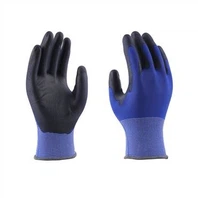
However, the degree of slipperiness can vary. Some NBR gloves have a textured surface. These textured gloves are designed to provide better grip, even when wet. The texture helps to break up the layer of water and create more friction. So, if you're in a situation where you're likely to be working with wet objects, it might be a good idea to choose Fully Nitrile Coated Gloves (Knitted Wrist) with a textured finish. They'll give you a much better grip and make your tasks a lot easier.
Another aspect to consider is how the gloves feel on your hands when they're wet. NBR gloves are generally quite flexible and comfortable to wear. But when they get wet, they can start to feel a bit heavy and clingy. The moisture can make the gloves stick to your skin, which might feel a bit uncomfortable, especially if you're wearing them for a long time. It can also make your hands feel a bit clammy, which isn't the most pleasant sensation.
The duration of exposure to moisture also plays a role. If the gloves are only briefly wet, you might not notice too much of a difference. But if they're constantly wet or soaked for an extended period, it can lead to some issues. Prolonged exposure to moisture can cause the gloves to break down over time. The water can seep into the pores of the nitrile rubber and weaken its structure. This can make the gloves more prone to tears and punctures, which defeats the purpose of wearing them in the first place.
On the flip side, there are some situations where wet NBR gloves can actually be an advantage. In some industrial processes, like handling wet chemicals, the wet gloves can act as an extra layer of protection. The water can help to dilute any chemicals that might come into contact with the gloves, reducing the risk of chemical burns or other injuries.
Now, let's talk about how to deal with wet NBR gloves. If you find that your gloves are getting too slippery or uncomfortable when wet, you can try drying them off. You can use a clean towel to gently pat the gloves dry. If you're in a hurry, you can also use a hair dryer on a low - heat setting. Just make sure not to hold the dryer too close to the gloves, as high heat can damage the nitrile rubber.
If you're constantly working in wet conditions, you might want to consider changing your gloves more frequently. This will ensure that you always have a dry and effective pair of gloves on your hands. You can also look into using glove liners. Glove liners are thin, absorbent materials that you wear inside your NBR gloves. They can soak up the moisture and keep your hands dry and comfortable.
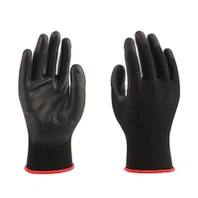
As a supplier, I know that finding the right NBR gloves for your needs is crucial. Whether you're looking for gloves that can handle wet conditions well or ones that offer maximum protection in other situations, we've got a wide range of options. Our Nitrile Coated Knitted Gloves are just one example of the high - quality products we offer.
If you're in the market for NBR gloves and want to learn more about our products, or if you have any specific questions about how our gloves perform in wet conditions, don't hesitate to reach out. We're here to help you find the perfect gloves for your job. Whether you're a small business owner, a professional in a specific industry, or just someone looking for reliable gloves for home use, we can provide you with the information and products you need.
In conclusion, the way NBR gloves feel when wet can vary depending on several factors. While they can become slippery and a bit uncomfortable, there are ways to manage these issues. With the right type of gloves and proper care, you can still get great performance from your NBR gloves even in wet conditions. So, if you're looking for high - quality NBR gloves that can stand up to the challenges of your work environment, give us a shout. We're ready to assist you in making the best choice for your needs.
References
- General knowledge about NBR gloves in industrial applications
- Manufacturer's specifications of NBR gloves for performance and material details