In the world of protective gloves, choosing the right type is crucial for ensuring safety and efficiency in various work environments. Two popular choices are Nitrile Butadiene Rubber (NBR) gloves and butyl gloves. As a supplier of high - quality NBR gloves, I am well - versed in the properties and applications of both types of gloves, and I am excited to share a detailed comparison with you.
Material Composition
Let's start with the basics of their material composition. NBR gloves are made from nitrile butadiene rubber, a synthetic rubber copolymer of acrylonitrile and butadiene. The unique combination of these two monomers gives NBR its distinct properties. Butyl gloves, on the other hand, are made from butyl rubber, which is a copolymer of isobutylene with a small amount of isoprene. The difference in chemical structure is the root cause of the varying characteristics of these two types of gloves.
Chemical Resistance
Chemical resistance is often a top priority when selecting gloves. NBR gloves offer excellent resistance to a wide range of chemicals, including oils, greases, and many solvents. They are particularly effective against hydrocarbons, making them a popular choice in automotive, oil, and gas industries. For example, in an automotive repair shop, mechanics often rely on NBR gloves to protect their hands from engine oils, brake fluids, and gasoline.
However, butyl gloves have a different strength in chemical resistance. They are highly resistant to permeation by gases and vapors, especially organic solvents such as acetone, benzene, and toluene. In laboratories where these volatile chemicals are frequently used, butyl gloves are often the go - to choice to prevent skin contact and inhalation of harmful fumes.
Physical Properties
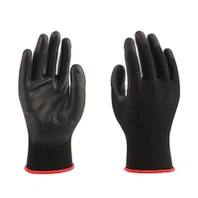
When it comes to physical properties, NBR gloves are known for their puncture and abrasion resistance. The synthetic rubber material makes them tough and durable, suitable for tasks that involve handling sharp objects or rough surfaces. For instance, construction workers and metal fabricators often use NBR gloves to protect their hands from cuts and abrasions. You can check out our Nitrile Coated Anti Abrasion Chemical Protective Work Gloves that are designed with high - abrasion resistance in mind.
Butyl gloves are generally softer and more flexible compared to NBR gloves. They offer better tactile sensitivity, which is crucial in applications where fine motor skills are required. Medical professionals, for example, may prefer butyl gloves in certain procedures where they need to manipulate small instruments precisely.

Comfort and Fit
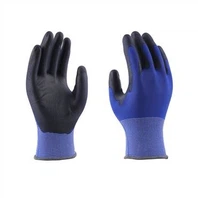
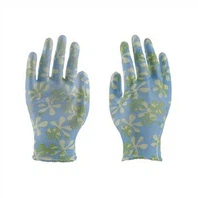
Comfort is an important factor, especially when workers need to wear gloves for extended periods. NBR gloves often come with a textured surface for better grip, and they are available in different thicknesses to suit various needs. They are typically lighter in weight compared to butyl gloves, which can reduce hand fatigue. Many NBR gloves are also designed to be breathable, with moisture - wicking properties to keep hands dry. Our Nitrile Coated Cotton Gloves combine the comfort of cotton with the protection of nitrile coating, providing a comfortable wearing experience.
Butyl gloves can be relatively thicker, which may cause some users to feel a bit restricted in movement. However, modern manufacturing techniques have improved the fit of butyl gloves, and they still offer a high level of protection despite the initial perception of bulkiness.
Cost - effectiveness
Cost is always a consideration in the purchasing decision. NBR gloves are generally more cost - effective than butyl gloves. Their production process is more streamlined, and the raw materials are more readily available, which allows for a more competitive price point. This makes NBR gloves a popular choice for industries that require a large volume of gloves, such as the food processing industry.
Butyl gloves, due to their specialized chemical resistance and manufacturing process, tend to be more expensive. They are usually reserved for applications where their unique properties are absolutely necessary, such as in pharmaceutical research or certain chemical manufacturing processes.
Application Areas
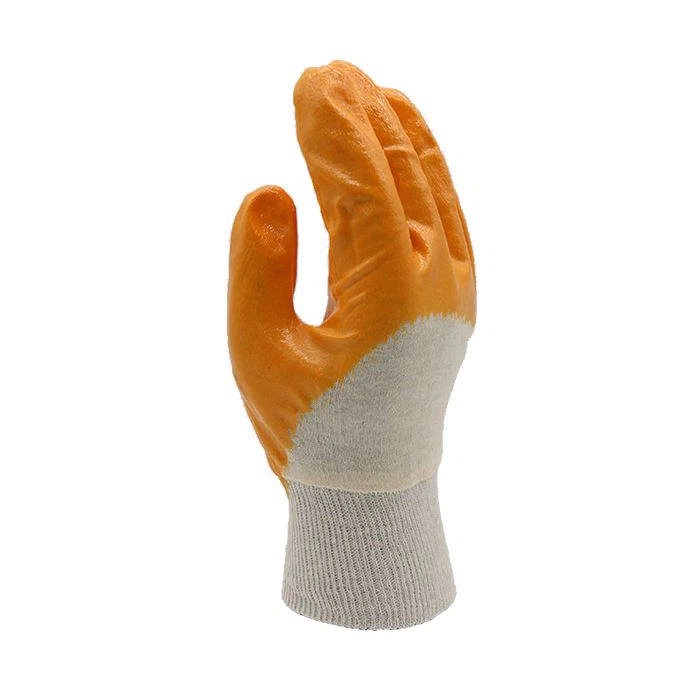
NBR gloves have a wide range of application areas. In addition to the automotive and construction industries mentioned earlier, they are also commonly used in the food industry. Since they are latex - free, they eliminate the risk of latex allergies, which is a major concern in food handling. Our Fully Nitrile Coated Gloves (Knitted Wrist) are suitable for food processing tasks, ensuring both safety and compliance with food safety regulations.
Butyl gloves are mainly used in industries that deal with high - risk chemicals, such as the chemical manufacturing and pharmaceutical industries. They are also used in the nuclear industry to protect workers from radioactive materials and in cleanroom environments to prevent contamination.
Environmental Considerations
In today's environmentally - conscious world, it is important to consider the environmental impact of the products we use. NBR gloves are generally more recyclable compared to butyl gloves. Some recycling programs can process NBR gloves, reducing waste in landfills. However, the recycling process for both types of gloves still faces some challenges, and more research is needed to improve the environmental sustainability of glove production and disposal.
Conclusion
In summary, both NBR gloves and butyl gloves have their own unique advantages and are suitable for different applications. NBR gloves offer a good balance of chemical resistance, physical durability, comfort, and cost - effectiveness, making them a versatile choice for a wide range of industries. Butyl gloves, on the other hand, excel in providing high - level protection against specific chemicals and gases, especially in high - risk environments.
If you are in need of high - quality NBR gloves for your business, I encourage you to contact me for a detailed discussion on your requirements. We can work together to find the most suitable glove solutions for your specific needs. Whether you need gloves for general industrial use, food handling, or other applications, our wide range of NBR gloves can meet your demands.
References
- "Hand Protection Guide", American Industrial Hygiene Association.
- "Chemical Resistance of Gloves", Occupational Safety and Health Administration.
- "Materials Science for Protective Clothing", CRC Press.