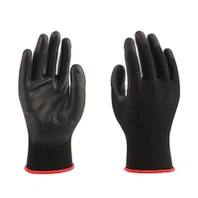
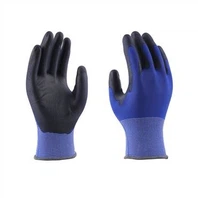
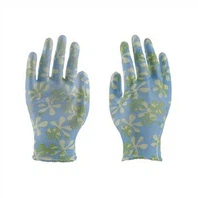
Hey there! As a supplier of impact-resistant gloves, I know how crucial it is to ensure a proper fit for these gloves. A well-fitting pair of gloves not only enhances comfort but also maximizes protection and performance. In this blog post, I'll share some tips on how you can make sure your impact-resistant gloves fit just right.
Why a Proper Fit Matters
First off, let's talk about why getting the right fit is so important. Impact-resistant gloves are designed to shield your hands from various hazards, like blunt force, abrasions, and vibrations. If the gloves are too loose, they might slip off during use, leaving your hands vulnerable. On the other hand, if they're too tight, they can restrict movement, cause discomfort, and even lead to circulation problems over time.
A proper fit also affects dexterity. You need to be able to grip tools and objects securely, and gloves that fit well allow you to do that without any hindrance. Whether you're working in construction, manufacturing, or any other industry that requires hand protection, having gloves that fit properly can make a huge difference in your day-to-day work.
Measuring Your Hands
The first step in ensuring a proper fit is to measure your hands accurately. You'll need a flexible measuring tape for this. Here's how you do it:


- Measure the circumference: Wrap the measuring tape around the widest part of your hand, which is usually just below your knuckles. Make sure the tape is snug but not too tight. Write down this measurement in inches or centimeters.
- Measure the length: Measure from the tip of your middle finger to the base of your palm. Again, record this measurement.
Once you have these two measurements, you can refer to the sizing chart provided by the glove manufacturer. Most manufacturers use these measurements to determine the appropriate glove size. Keep in mind that different brands may have slightly different sizing standards, so it's always a good idea to check the specific chart for the gloves you're interested in.
Trying On the Gloves
After you've determined your size, it's time to try on the gloves. When you put them on, pay attention to the following:
- Overall fit: The gloves should feel snug but not constricting. You should be able to move your fingers freely without any tightness or pulling.
- Finger length: The fingertips of the gloves should reach the end of your fingers without being too long or too short. If the fingers are too long, they can get in the way and make it difficult to perform tasks. If they're too short, they won't provide adequate protection.
- Wrist fit: The gloves should fit securely around your wrist to prevent them from slipping off. However, they shouldn't be so tight that they cut off circulation.
It's also a good idea to perform some simple movements while wearing the gloves, such as gripping a tool or making a fist. This will give you a better sense of how the gloves feel and how they perform.
Consider the Type of Gloves
Different types of impact-resistant gloves may have different fit requirements. For example, Cow Leather Safety Gloves are known for their durability and protection. They often have a more structured fit and may require a bit of break-in time to mold to your hands.
Heavy Duty Mechanic Gloves, on the other hand, are designed for more rugged work. They may have additional padding and reinforcement, which can affect the fit. Make sure to try on these gloves and see how they feel during actual use.
7G Anti-vibration Safety Gloves are specifically designed to reduce the effects of vibrations. They may have a more form-fitting design to ensure maximum contact between the glove and your hand, which helps to absorb and disperse the vibrations.
Break-In Period
Some gloves, especially those made of leather or other stiff materials, may require a break-in period. During this time, the gloves will gradually mold to the shape of your hands, becoming more comfortable and flexible. Don't be discouraged if the gloves feel a bit tight or stiff at first. With regular use, they should loosen up and conform to your hands.
To speed up the break-in process, you can try wearing the gloves for short periods throughout the day. You can also flex your fingers and hands while wearing the gloves to help stretch the material. Just make sure not to overdo it, as this can cause the gloves to wear out prematurely.
Maintenance and Care
Proper maintenance and care of your gloves can also help ensure a proper fit over time. Here are some tips:
- Clean the gloves regularly: Follow the manufacturer's instructions for cleaning the gloves. This will help remove dirt, sweat, and other contaminants that can affect the fit and performance of the gloves.
- Store the gloves properly: When you're not using the gloves, store them in a cool, dry place. Avoid leaving them in direct sunlight or in a hot, humid environment, as this can cause the material to deteriorate.
- Inspect the gloves regularly: Check the gloves for any signs of wear and tear, such as holes, tears, or loose stitching. If you notice any damage, replace the gloves immediately to ensure continued protection.
Conclusion
Ensuring a proper fit of impact-resistant gloves is essential for both comfort and protection. By measuring your hands accurately, trying on the gloves, considering the type of gloves, allowing for a break-in period, and maintaining the gloves properly, you can make sure that your gloves fit just right.
If you're in the market for high-quality impact-resistant gloves, I'd love to help you find the perfect pair. Whether you need Cow Leather Safety Gloves, Heavy Duty Mechanic Gloves, or 7G Anti-vibration Safety Gloves, I have a wide range of options to choose from. Contact me today to discuss your specific needs and start the procurement process.
References
- Various industry standards and guidelines on hand protection
- Manufacturer's sizing charts and product specifications