Are synthetic leather gloves resistant to UV rays?
As a supplier of synthetic leather gloves, I often get asked about the various properties of our products, and one question that comes up quite frequently is whether synthetic leather gloves are resistant to UV rays. In this blog post, I'll delve into this topic, exploring the science behind UV resistance in synthetic leather, the factors that influence it, and how our gloves stack up in real - world scenarios.
Understanding UV Rays and Their Impact
Ultraviolet (UV) rays are a part of the electromagnetic spectrum emitted by the sun. They are classified into three types: UVA, UVB, and UVC. UVC rays are mostly absorbed by the Earth's atmosphere, but UVA and UVB rays reach the surface and can have detrimental effects on materials. UVA rays, with longer wavelengths, can penetrate deeper into materials and cause long - term damage such as color fading, embrittlement, and loss of flexibility. UVB rays, with shorter wavelengths, are more energetic and can cause more immediate damage, including surface cracking and degradation.
When it comes to gloves, exposure to UV rays can be a concern, especially for those used in outdoor work environments. For example, construction workers, landscapers, and agricultural workers are often exposed to sunlight for extended periods. If the gloves they wear are not UV - resistant, they may deteriorate quickly, leading to reduced protection and a shorter lifespan.
Synthetic Leather and UV Resistance
Synthetic leather, also known as faux leather or artificial leather, is a man - made material designed to mimic the look and feel of natural leather. It is typically made from a base material, such as polyester or polyurethane, which is then coated with a layer of synthetic polymers to give it the leather - like appearance.
The UV resistance of synthetic leather gloves depends on several factors. Firstly, the type of synthetic material used plays a crucial role. Polyurethane (PU) synthetic leather, for instance, can have varying degrees of UV resistance depending on its formulation. Some high - quality PU synthetic leathers are formulated with UV stabilizers, which are chemicals that absorb or dissipate UV energy, preventing it from causing damage to the material.
Secondly, the manufacturing process can also impact UV resistance. Gloves that are properly cured and treated during the manufacturing process are more likely to have better UV resistance. For example, some manufacturers use special coatings or finishes that provide an additional layer of protection against UV rays.
Our Synthetic Leather Gloves and UV Resistance
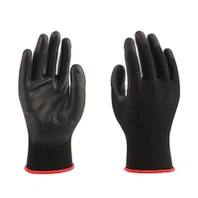
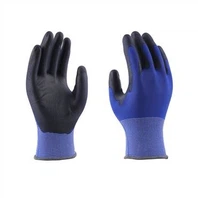
At our company, we take UV resistance seriously, especially for our Light Duty Mechanic Glove and Synthetic Leather Work Gloves. We use high - quality synthetic materials that are formulated with UV stabilizers to ensure maximum protection against UV rays.
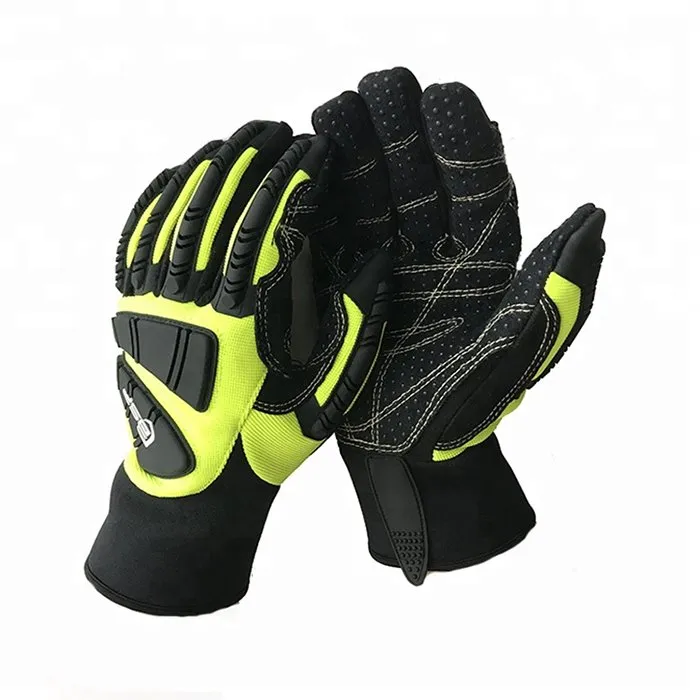
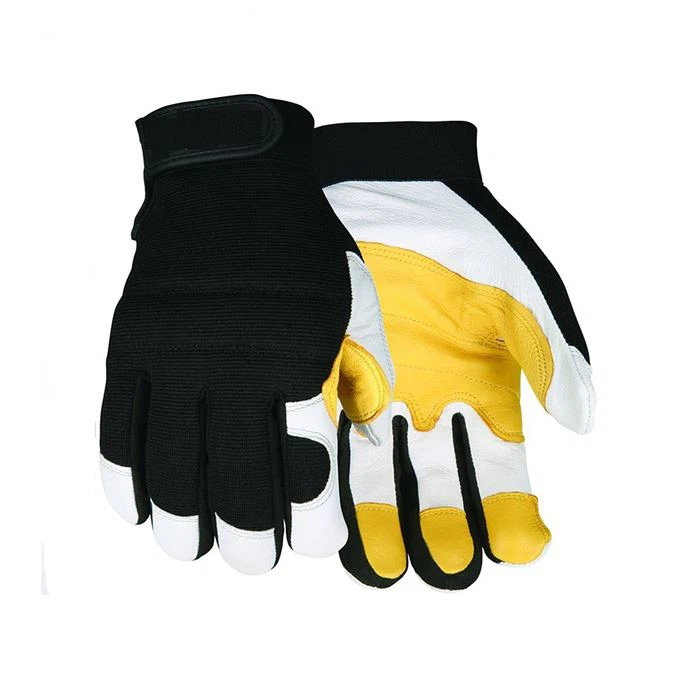
Our research and development team has conducted extensive testing to evaluate the UV resistance of our gloves. We expose our gloves to simulated sunlight in a laboratory setting, using a device called a weatherometer. This device mimics the effects of sunlight, heat, and moisture over an extended period. Through these tests, we have found that our gloves can withstand prolonged exposure to UV rays without significant degradation.
In real - world applications, our customers have reported that our gloves maintain their integrity even after months of outdoor use. For example, a landscaping company that uses our Synthetic Work Gloves has noticed that the gloves do not fade or crack easily, despite being exposed to sunlight all day long.
Comparing with Other Materials
When compared to natural leather gloves, synthetic leather gloves can have an advantage in terms of UV resistance. Natural leather is a porous material that can be more susceptible to UV damage. Over time, natural leather exposed to UV rays can dry out, become brittle, and lose its natural oils, leading to cracking and a shorter lifespan.
On the other hand, synthetic leather gloves, especially those with proper UV protection, can maintain their flexibility, color, and strength for a longer period. They are also generally more affordable than natural leather gloves, making them a cost - effective choice for many industries.
Tips for Maintaining UV Resistance
While our synthetic leather gloves are designed to be UV - resistant, there are some steps that users can take to further extend their lifespan. Firstly, it's important to store the gloves properly when not in use. Keeping them in a cool, dry place away from direct sunlight can help prevent unnecessary UV exposure.
Secondly, regular cleaning and maintenance can also help. Using a mild soap and water to clean the gloves can remove dirt and debris that may accumulate on the surface and potentially accelerate UV damage. After cleaning, it's important to dry the gloves thoroughly before storing them.
Conclusion
In conclusion, synthetic leather gloves can be resistant to UV rays, especially when they are made from high - quality materials and formulated with UV stabilizers. Our company is committed to providing our customers with gloves that offer excellent UV protection, ensuring that they last longer and provide reliable performance in outdoor work environments.
If you're in the market for synthetic leather gloves that can withstand UV exposure, we invite you to explore our product range. Whether you need Light Duty Mechanic Glove, Synthetic Leather Work Gloves, or Synthetic Work Gloves, we have the right solution for you. Contact us today to discuss your requirements and start a procurement negotiation. We look forward to working with you to meet your glove needs.
References
- ASTM International. (20XX). Standard test methods for evaluating the resistance of materials to ultraviolet light and water exposure.
- Leather and Allied Trades Research Association. (20XX). Research on the durability of synthetic and natural leather materials.
- Journal of Materials Science. (20XX). Studies on the UV - induced degradation of synthetic polymers used in leather - like materials.