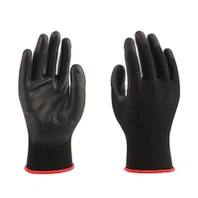
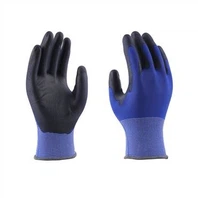
Hey there! As a supplier of NBR gloves, I often get asked about how to dispose of these gloves safely. NBR, or nitrile butadiene rubber, gloves are super popular because they're durable, resistant to chemicals, and offer great protection. But once you're done using them, you can't just toss them in the regular trash without a second thought. In this blog, I'll walk you through the ins and outs of safe NBR glove disposal.
First off, let's understand why proper disposal matters. NBR gloves are made from synthetic rubber, which isn't biodegradable like some natural materials. If they end up in landfills, they can take a really long time to break down, contributing to environmental pollution. Plus, if they've been used in medical or industrial settings, they might be contaminated with harmful substances. So, getting the disposal right is crucial for both the environment and public health.
1. Assess the Use of the Gloves
The first step in safe disposal is to figure out how the gloves were used. Were they used in a medical environment, like a hospital or a doctor's office? Or were they used for industrial work, such as handling chemicals or doing some heavy-duty tasks? Maybe they were just used for household chores.
- Medical Use: If the gloves were used in a medical setting, they're likely to be contaminated with bodily fluids, pathogens, or other potentially infectious materials. In this case, they need to be treated as medical waste. You should never mix medical NBR gloves with regular trash. Instead, they should be placed in a designated medical waste container. These containers are usually red or have a biohazard symbol on them.
- Industrial Use: When gloves are used in an industrial environment, they might be exposed to chemicals, oils, or other hazardous substances. For example, if you're using NBR Heavy Duty 3/4 Nitrile Coated Chemical Protective Work Gloves to handle chemicals, they need special attention. Check with your workplace's safety regulations to see if there are specific disposal procedures. Some industrial waste might need to be sent to a specialized waste management facility.
- Household Use: If you've just used the gloves for simple household tasks like cleaning or gardening, they're probably less of a concern. However, if they're dirty or have come into contact with something harmful, it's still a good idea to be careful. You can usually dispose of them in the regular trash, but make sure they're clean and dry first.
2. Remove Any Contaminants
Before disposing of the gloves, try to remove any visible contaminants. If they're covered in dirt, wash them gently under running water if possible. If they're contaminated with chemicals, follow the safety guidelines for that particular chemical. For example, if it's an oil-based substance, you might need to use a degreaser to clean the gloves as much as possible.
However, be careful not to spread the contamination. Wear a new pair of gloves if you need to handle the used ones during the cleaning process. And always wash your hands thoroughly after handling contaminated gloves.
3. Choose the Right Disposal Method
Depending on the assessment of the gloves' use, you'll need to choose the appropriate disposal method.
- Medical Waste Disposal: As mentioned earlier, medical NBR gloves should be placed in a medical waste container. These containers are then collected by specialized medical waste management companies. They have the equipment and expertise to handle and dispose of medical waste safely. They'll usually incinerate the waste at high temperatures to ensure that all pathogens are destroyed.
- Industrial Waste Disposal: Industrial waste disposal can be more complicated. Some industrial gloves might need to be recycled if possible. Recycling NBR gloves can help reduce waste and conserve resources. However, not all recycling facilities accept NBR gloves, so you'll need to do some research to find a suitable one. If recycling isn't an option, the gloves might need to be sent to a hazardous waste disposal facility. These facilities are equipped to handle and neutralize the hazardous substances on the gloves.
- Regular Trash Disposal: For gloves used in households or in situations where they're not contaminated with anything harmful, you can dispose of them in the regular trash. But remember to check your local waste management guidelines. Some areas might have specific rules about what can and can't go in the regular trash.
4. Follow Local Regulations
Local regulations play a huge role in how you should dispose of NBR gloves. Different areas have different rules regarding waste management, especially when it comes to medical and hazardous waste.
Contact your local waste management department or environmental agency to find out the specific requirements in your area. They can provide you with information on where to take your waste, what type of containers to use, and any other important details. Ignoring local regulations can result in fines or other penalties, so it's always better to be informed.
5. Consider Recycling Options
Recycling is a great way to reduce the environmental impact of NBR gloves. Although it's not as common as recycling other materials, there are some companies that specialize in recycling nitrile gloves.
When looking for a recycling option, make sure the company is legitimate and has the proper certifications. They should be able to handle the recycling process in an environmentally friendly way. Recycling NBR gloves can turn them into new products, such as rubber mats or other rubber-based items.
6. Educate Others
As a NBR glove supplier, I think it's important to educate my customers about safe disposal. Whether it's medical professionals, industrial workers, or regular consumers, everyone should know how to dispose of the gloves properly.
You can share this blog post with your colleagues, friends, or customers. Encourage them to follow the guidelines and spread the word. By working together, we can make a big difference in reducing the environmental impact of NBR gloves.


Conclusion
Disposing of NBR gloves safely is not only important for the environment but also for public health. By assessing the use of the gloves, removing contaminants, choosing the right disposal method, following local regulations, considering recycling options, and educating others, we can ensure that these gloves are disposed of in the best way possible.
If you're in the market for high-quality NBR gloves, we've got a great selection. Check out our Nitrile Coated Knitted Gloves and Blue Nitrile Gauntlet Gloves. And if you have any questions about our products or need help with glove disposal, don't hesitate to reach out. We're here to assist you in finding the right solutions for your needs. Let's work together to make a more sustainable and safer world.
References
- "Waste Management Best Practices for Healthcare Facilities." World Health Organization.
- "Industrial Waste Disposal Guidelines." Environmental Protection Agency.
- "Safe Disposal of Nitrile Gloves in Household Settings." Local Waste Management Association.