In recent years, environmental concerns have become a global priority, leading to increased scrutiny of the ecological impact of various products. As a supplier of Sandy Nitrile Gloves, I often encounter questions about the eco - friendliness of these gloves. In this blog post, I will delve into the topic, examining the environmental aspects of Sandy Nitrile Gloves from multiple angles.
What are Sandy Nitrile Gloves?
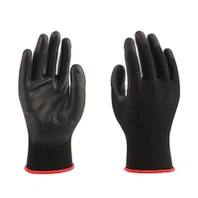
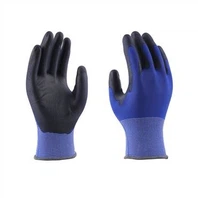
Sandy Nitrile Gloves are a type of protective glove widely used in industries such as manufacturing, construction, and automotive. They are made from nitrile, a synthetic rubber known for its excellent chemical resistance, durability, and puncture resistance. The "sandy" texture on the surface of these gloves provides enhanced grip, making them ideal for tasks that require handling objects in wet or oily conditions.
We offer a range of Sandy Nitrile Gloves, including 15gauge Spandex Nitrile Coated Gloves, 13G Sandy Nitrile Coated Gloves, and Sandy Nitrile Coated Gloves (Nylon). Each type is designed to meet different needs and preferences in various work environments.
Environmental Impact of Nitrile Production
The production of nitrile, the primary material for Sandy Nitrile Gloves, has both positive and negative environmental implications.
On the positive side, nitrile is a synthetic rubber, which means it does not rely on natural rubber latex, the production of which can have significant environmental impacts. Natural rubber latex is derived from rubber trees, and large - scale rubber plantations can lead to deforestation, loss of biodiversity, and soil degradation. In contrast, nitrile production does not contribute to these specific environmental problems.
However, nitrile production is an energy - intensive process. It involves the use of petrochemicals, which are non - renewable resources. The extraction and processing of petrochemicals release greenhouse gases into the atmosphere, contributing to climate change. Additionally, the manufacturing process may generate waste and pollutants, which need to be properly managed to minimize environmental harm.


Durability and Reusability
One of the key factors in determining the eco - friendliness of a product is its durability and potential for reuse. Sandy Nitrile Gloves are known for their durability. They can withstand repeated use in harsh working conditions without tearing or losing their protective properties. This durability means that users may not need to replace their gloves as frequently as they would with less durable alternatives.
In some cases, Sandy Nitrile Gloves can be reused. For example, if the gloves are only lightly soiled, they can be cleaned and disinfected for further use. This reduces the overall number of gloves that end up in landfills, thereby minimizing the environmental impact. However, it is important to note that reusing gloves should be done in accordance with safety guidelines to ensure continued protection for the user.
Disposal and Recycling
The disposal of Sandy Nitrile Gloves is another important aspect of their environmental impact. When gloves reach the end of their useful life, they typically end up in landfills. Nitrile is a non - biodegradable material, which means it can take hundreds of years to break down in a landfill. This can lead to the accumulation of waste and the occupation of valuable landfill space.
However, there are some efforts being made to recycle nitrile gloves. Recycling nitrile gloves can help reduce the amount of waste going to landfills and conserve resources. Some specialized recycling facilities are able to process nitrile gloves and convert them into new products. Unfortunately, the recycling infrastructure for nitrile gloves is still limited, and not all areas have access to these facilities.
Comparison with Other Glove Materials
To better understand the eco - friendliness of Sandy Nitrile Gloves, it is useful to compare them with other common glove materials.
Latex Gloves: As mentioned earlier, latex gloves are made from natural rubber latex, which has its own set of environmental issues related to deforestation and biodiversity loss. In addition, some people are allergic to latex, which can limit its use. Nitrile gloves, on the other hand, are latex - free, making them a safer option for many users.
Vinyl Gloves: Vinyl gloves are another popular alternative. They are made from polyvinyl chloride (PVC), a plastic material. PVC production involves the use of toxic chemicals, and the disposal of PVC products can release harmful substances into the environment. Nitrile gloves generally have better chemical resistance and durability than vinyl gloves, which may result in less frequent replacement and less waste generation.
Initiatives for a More Eco - Friendly Future
As a supplier of Sandy Nitrile Gloves, we are committed to promoting environmental sustainability. We are constantly exploring ways to reduce the environmental impact of our products.
One of our initiatives is to work with manufacturers to improve the production process. This includes using more energy - efficient technologies and reducing the use of petrochemicals. We are also researching the development of more sustainable nitrile materials, such as bio - based nitrile, which is derived from renewable resources.
In addition, we are actively promoting the proper disposal and recycling of our gloves. We provide information to our customers on how to recycle nitrile gloves and encourage them to seek out recycling facilities in their area. We also support the development of a more comprehensive recycling infrastructure for nitrile gloves.
Conclusion
The question of whether Sandy Nitrile Gloves are eco - friendly is not a straightforward one. While nitrile production has some negative environmental impacts, such as the use of non - renewable resources and energy consumption, Sandy Nitrile Gloves also have several advantages in terms of durability, potential for reuse, and safety.
Compared to other glove materials, they may have a relatively lower environmental impact in some aspects. However, there is still room for improvement. Through continuous innovation and the promotion of proper disposal and recycling, we can work towards making Sandy Nitrile Gloves more eco - friendly.
If you are interested in learning more about our Sandy Nitrile Gloves or have any questions regarding their environmental impact, please feel free to contact us. We are always ready to discuss your specific needs and provide you with the best solutions. Whether you are looking for 15gauge Spandex Nitrile Coated Gloves, 13G Sandy Nitrile Coated Gloves, or Sandy Nitrile Coated Gloves (Nylon), we can help you find the right product for your requirements. Let's work together to balance safety and environmental responsibility.
References
- "Environmental Impact of Synthetic Rubber Production", Journal of Environmental Science and Technology
- "Durability and Reusability of Protective Gloves", Industrial Hygiene Journal
- "Recycling of Nitrile Products: Current Status and Future Prospects", Waste Management Research