When it comes to baking, choosing the right gloves is crucial for both safety and efficiency. As a leading NBR gloves supplier, I often get asked whether NBR gloves can be used for baking. In this blog post, I'll delve into the properties of NBR gloves, their suitability for baking, and other important considerations.
Understanding NBR Gloves
NBR, or nitrile butadiene rubber, is a synthetic rubber copolymer of acrylonitrile (ACN) and butadiene. NBR gloves are known for their excellent resistance to chemicals, punctures, and abrasions. They are commonly used in various industries, including healthcare, food processing, and industrial work.
One of the key advantages of NBR gloves is their durability. They are much stronger than latex gloves and can withstand more wear and tear. This makes them a popular choice for tasks that require a high level of dexterity and protection.
Can NBR Gloves Be Used for Baking?
The short answer is yes, NBR gloves can be used for baking, but with some important caveats.
Heat Resistance
NBR gloves have a certain level of heat resistance, but it is not as high as that of specialized heat-resistant gloves. Most NBR gloves can withstand temperatures up to around 100 - 120°C (212 - 248°F) for a short period. This is generally sufficient for handling warm baking trays, mixing ingredients at room temperature, or handling baked goods that have just come out of the oven.
However, if you need to handle items directly from a hot oven, such as a pizza stone or a baking sheet straight from a high-temperature oven (which can reach temperatures of 200 - 250°C or 392 - 482°F), NBR gloves are not suitable. Prolonged exposure to high temperatures can cause the gloves to melt or degrade, releasing harmful chemicals and potentially causing burns.
Food Safety
NBR gloves are food-safe and are approved for use in the food industry. They are resistant to many common food substances, including oils, fats, and acids. This makes them a good choice for handling food during the baking process, such as kneading dough, spreading frosting, or handling raw ingredients.


It's important to choose NBR gloves that are specifically labeled as food-safe. These gloves are made from materials that meet strict food safety standards and do not contain any harmful chemicals or additives that could leach into the food.
Dexterity
NBR gloves offer excellent dexterity, which is essential for baking tasks. They allow you to have a good grip on utensils, ingredients, and baking equipment, making it easier to perform tasks such as rolling dough, piping frosting, or shaping cookies.
Chemical Resistance
In addition to being food-safe, NBR gloves also offer good resistance to many common chemicals used in baking, such as cleaning agents and food additives. This makes them suitable for use in the kitchen environment, where you may need to handle these substances while preparing or cleaning up after baking.
Types of NBR Gloves for Baking
As a NBR gloves supplier, I offer a variety of NBR gloves that can be used for baking. Here are some of the options:
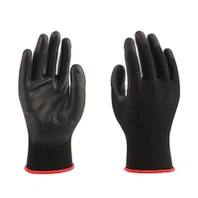
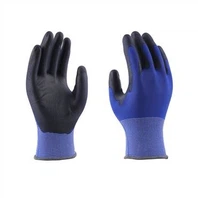
- Nitrile Coated Anti Abrasion Chemical Protective Work Gloves: These gloves have a nitrile coating that provides excellent abrasion resistance, making them suitable for tasks that involve handling rough or sharp objects, such as mixing dry ingredients or handling baking utensils.
- NBR Heavy Duty 3/4 Nitrile Coated Chemical Protective Work Gloves: These heavy-duty gloves offer extra protection, with a 3/4 nitrile coating that covers most of the hand. They are ideal for tasks that require more durability and chemical resistance, such as handling hot liquids or cleaning the oven.
- Nitrile Coated Knitted Gloves: These gloves combine the comfort of a knitted glove with the protection of a nitrile coating. They are lightweight and flexible, making them a good choice for tasks that require a high level of dexterity, such as decorating cakes or handling small ingredients.
Tips for Using NBR Gloves for Baking
If you decide to use NBR gloves for baking, here are some tips to ensure your safety and the quality of your baked goods:
- Choose the Right Size: Make sure to choose gloves that fit properly. Gloves that are too tight can restrict blood circulation and make it difficult to perform tasks, while gloves that are too loose can slip off or get caught on objects.
- Inspect the Gloves: Before using the gloves, inspect them for any signs of damage, such as holes, tears, or punctures. Damaged gloves can allow bacteria or other contaminants to come into contact with your hands and the food.
- Change Gloves Regularly: It's important to change your gloves regularly, especially if they become dirty or contaminated. This helps to prevent the spread of bacteria and ensures the safety of your food.
- Avoid Contact with High Temperatures: As mentioned earlier, avoid using NBR gloves to handle items directly from a hot oven. Use specialized heat-resistant gloves for these tasks.
- Clean and Store Properly: After using the gloves, wash them thoroughly with soap and water and allow them to dry completely. Store them in a cool, dry place away from direct sunlight and heat sources.
Conclusion
In conclusion, NBR gloves can be a useful tool for baking, especially for tasks that do not involve high temperatures. They offer good heat resistance for short periods, are food-safe, and provide excellent dexterity. However, it's important to choose the right type of gloves and use them correctly to ensure your safety and the quality of your baked goods.
If you're interested in purchasing NBR gloves for your baking needs, we offer a wide range of high-quality NBR gloves that are suitable for various baking tasks. Our gloves are made from the highest quality materials and are designed to meet the strictest safety and quality standards.
Whether you're a professional baker or a home enthusiast, our NBR gloves can help you make your baking experience safer and more enjoyable. Contact us today to discuss your specific requirements and to start a procurement negotiation. We look forward to working with you to find the perfect gloves for your baking needs.
References
- ASTM International. (2023). Standard Specification for Rubber (Natural and Synthetic) Surgical Gloves. ASTM D3577 - 23.
- Food and Drug Administration (FDA). (2023). Food Contact Substances: Guidance for Industry.