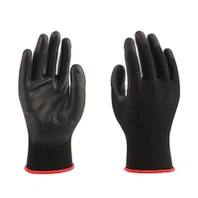
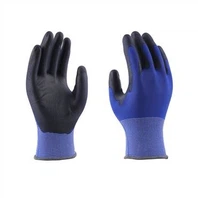
Choosing the right size of NBR gloves is crucial for ensuring comfort, dexterity, and safety in various work environments. As a trusted NBR gloves supplier, we understand the importance of providing our customers with the perfect fit. In this blog post, we will guide you through the process of selecting the right size of NBR gloves, taking into account different types of NBR gloves and their specific applications.
Understanding the Importance of Proper Glove Size
Wearing gloves that are too big can lead to reduced grip, increased hand fatigue, and a higher risk of accidents. On the other hand, gloves that are too small can restrict movement, cause discomfort, and potentially lead to skin irritation. A proper fit ensures that the gloves stay in place, provide maximum protection, and allow for easy handling of tools and equipment.
Measuring Your Hand for NBR Gloves
The first step in choosing the right size of NBR gloves is to measure your hand accurately. You will need a flexible measuring tape for this process. Here's how to do it:
- Measure the Width of Your Hand: Place the measuring tape around the widest part of your hand, usually just below your knuckles and excluding your thumb. Make sure the tape is snug but not too tight.
- Measure the Length of Your Hand: Starting from the base of your wrist, measure the length of your hand to the tip of your middle finger.
Once you have these measurements, you can refer to our size chart to find the corresponding glove size. Remember, different brands may have slightly different sizing standards, so it's always a good idea to check the specific size chart provided by the manufacturer.
Different Types of NBR Gloves and Their Fit Requirements
There are several types of NBR gloves available in the market, each designed for specific applications. Let's take a look at some common types and their fit requirements:


Nitrile Coated Cotton Gloves
Nitrile Coated Cotton Gloves are a popular choice for light to medium-duty tasks. They offer good grip, breathability, and comfort. When choosing the size of nitrile coated cotton gloves, a slightly looser fit may be acceptable as long as the palm area provides a snug grip. This type of glove is often used in industries such as food processing, assembly work, and general maintenance.
Nitrile Coated Knitted Gloves
Nitrile Coated Knitted Gloves are known for their excellent dexterity and flexibility. They are commonly used in tasks that require precise hand movements, such as electronics assembly and laboratory work. For nitrile coated knitted gloves, a closer fit is preferred to maintain the gloves' flexibility and prevent them from slipping off during use.
NBR Heavy Duty 3/4 Nitrile Coated Chemical Protective Work Gloves
NBR Heavy Duty 3/4 Nitrile Coated Chemical Protective Work Gloves are designed for heavy-duty applications where chemical resistance and protection are essential. These gloves typically have a thicker nitrile coating and may require a more generous fit to accommodate the additional material. However, the wrist area should still fit snugly to prevent chemicals from seeping in.
Trying On the Gloves
Even with accurate measurements and a size chart, it's always a good idea to try on the gloves before making a final decision. Put on the gloves and perform some simple tasks to ensure they fit comfortably and do not restrict your movement. Pay attention to the following:
- Finger Length: The fingers of the gloves should not be too long or too short. If the fingers are too long, it can be difficult to handle small objects, while fingers that are too short can cause discomfort and limit movement.
- Wrist Fit: The wrist area of the gloves should fit snugly without being too tight. A proper wrist fit helps to keep the gloves in place and prevents debris from entering the gloves.
- Overall Comfort: The gloves should feel comfortable on your hands, without any tightness or pressure points. You should be able to move your fingers and hands freely without feeling restricted.
Considering the Type of Work
The type of work you will be doing also plays a role in choosing the right size of NBR gloves. For example:
- Fine Motor Tasks: If you need to perform tasks that require precise finger movements, such as using a scalpel or working with small components, a closer-fitting glove may be more suitable to maintain dexterity.
- Heavy Lifting or Handling: For heavy-duty tasks that involve lifting heavy objects or using tools, a slightly looser-fitting glove can provide more comfort and allow for greater freedom of movement.
- Cold Environments: In cold environments, you may want to choose a slightly larger size to allow for the use of additional liners or to prevent the gloves from feeling too tight when your hands get cold.
Tips for Adjusting the Fit
If you find that the gloves are a bit too loose or too tight, there are some simple adjustments you can make:
- Too Loose: If the gloves are too loose, you can try using a glove tightening strap or rubber band around the wrist to keep them in place. Alternatively, you can look for gloves with adjustable cuffs or wrist closures.
- Too Tight: If the gloves are too tight, you can try stretching them gently by pulling on the fingers and palm area. You can also wet the gloves slightly and let them dry while being worn to help stretch them out.
Conclusion
Choosing the right size of NBR gloves is essential for ensuring comfort, safety, and productivity in the workplace. By accurately measuring your hand, considering the type of glove and the work you will be doing, and trying on the gloves before purchasing, you can find the perfect fit for your needs. As a leading NBR gloves supplier, we offer a wide range of sizes and styles to meet the diverse requirements of our customers. If you have any questions or need further assistance in choosing the right size of NBR gloves, please do not hesitate to contact us. We are here to help you make the best decision for your glove needs and look forward to the opportunity to discuss your procurement requirements.
References
- ASTM International. (Year). Standard Specification for Protective Gloves for Occupational Use.
- National Institute for Occupational Safety and Health (NIOSH). (Year). Guidelines for Hand Protection in the Workplace.
- Glove Manufacturers Association. (Year). Best Practices for Glove Selection and Use.