Nitrile coated work gloves have gained significant popularity across various industries due to their durability, chemical resistance, and excellent grip. As a leading supplier of nitrile coated work gloves, I often receive inquiries about their suitability for medical use. In this blog post, I'll delve into the factors that determine whether nitrile coated work gloves are appropriate for medical applications.
Understanding Nitrile Coated Work Gloves
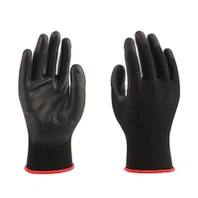
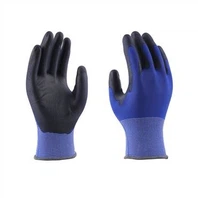
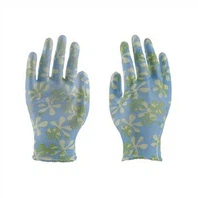
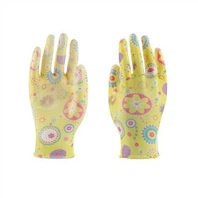
Nitrile coated work gloves typically feature a base layer made of materials such as nylon, polyester, or cotton, which provides comfort and flexibility. The nitrile coating on the palm and fingers enhances durability, abrasion resistance, and grip. These gloves are commonly used in industrial settings, including manufacturing, construction, automotive, and food processing.
Industrial Smooth Nitrile Coated Glove is one of our popular products in the market. It offers a high level of dexterity and resistance to various chemicals, making it ideal for a wide range of industrial tasks. Another notable product is our 13G Polyester Nitrile Coated Industrial Gloves, which combine the strength of polyester with the protection of nitrile coating, providing reliable performance in demanding work environments. Our 13 - guage Smooth Nitrile Coated Glove also stands out for its smooth finish and excellent tactile sensitivity.
Requirements for Medical Gloves
Medical gloves are subject to strict regulations and standards to ensure the safety of patients and healthcare providers. These requirements include:
Biocompatibility
Medical gloves must be biocompatible, meaning they do not cause any adverse reactions when in contact with human tissue. This includes being non - toxic, non - allergenic, and non - irritant.
Barrier Protection
They need to provide an effective barrier against microorganisms, blood, and other bodily fluids. This helps prevent the transmission of infectious diseases between patients and healthcare workers.
Sterility
In many medical procedures, gloves must be sterile to minimize the risk of introducing harmful bacteria into the body.
Tactile Sensitivity
Healthcare providers require gloves that offer good tactile sensitivity to perform delicate procedures such as injections, suturing, and palpation accurately.
Can Nitrile Coated Work Gloves Meet Medical Requirements?
Biocompatibility
Most nitrile materials used in work gloves are generally biocompatible. However, work gloves may contain additional chemicals or additives during the manufacturing process that could potentially cause skin irritation or allergic reactions. Medical gloves are specifically formulated to meet strict biocompatibility standards, and work gloves may not undergo the same level of testing in this regard.
Barrier Protection
Nitrile coated work gloves can provide a certain level of barrier protection against liquids and some chemicals. However, medical gloves are designed to provide a high - level and consistent barrier against microorganisms. The manufacturing processes for medical gloves are more tightly controlled to ensure the integrity of the barrier. For example, medical gloves are often subject to rigorous testing to ensure they do not have pinholes or other defects that could compromise their protective function. Work gloves may not meet these strict requirements in terms of barrier protection.
Sterility
Industrial nitrile coated work gloves are typically not sterile. In medical settings where sterility is required, such as surgical procedures, non - sterile work gloves are not suitable. Medical gloves are sterilized using processes like gamma irradiation or ethylene oxide treatment to eliminate all microorganisms.
Tactile Sensitivity
While some nitrile coated work gloves offer good tactile sensitivity, medical gloves are specifically engineered to provide the highest level of tactile feedback. This is crucial for medical professionals who need to perform precise tasks with accuracy.
Situations Where Nitrile Coated Work Gloves Might Be Used in Medical Settings
In some non - critical medical situations where strict sterility and high - level barrier protection are not required, nitrile coated work gloves could potentially be used. For example, in cleaning or maintenance tasks within a healthcare facility, work gloves can provide protection against chemicals and light splashes. However, it's important to note that these gloves should not be used for patient care activities that involve direct contact with open wounds or invasive procedures.
Conclusion
In general, nitrile coated work gloves are not suitable for most medical applications. The strict requirements for biocompatibility, barrier protection, sterility, and tactile sensitivity in medical settings are not met by standard work gloves. Medical gloves are specifically designed and manufactured to meet these strict standards to ensure the safety and well - being of patients and healthcare providers.
However, if you are in an industrial setting or need gloves for non - critical medical tasks, our range of nitrile coated work gloves can provide reliable protection and performance. Whether you need the Industrial Smooth Nitrile Coated Glove, 13G Polyester Nitrile Coated Industrial Gloves, or 13 - guage Smooth Nitrile Coated Glove, we have the right solution for you.


If you're interested in purchasing our nitrile coated work gloves, feel free to reach out to us for more information and to discuss your specific requirements. Our team of experts is ready to assist you in finding the perfect glove for your needs.
References
- "Medical Glove Standards and Requirements" - International Organization for Standardization
- "Biocompatibility of Polymers in Medical Applications" - Journal of Biomedical Materials Research
- "Barrier Protection of Gloves in Healthcare Settings" - Centers for Disease Control and Prevention