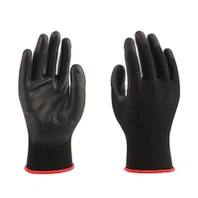
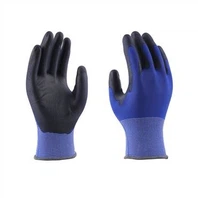
Hey there! As a supplier of PU cut resistant gloves, I often get asked about how often these gloves should be replaced. It's a crucial question because using worn - out gloves can put workers at risk. So, let's dig into this topic and figure out the best replacement schedule.
Factors Affecting the Replacement Frequency
Usage Intensity
One of the biggest factors that determine how often you need to replace your PU cut resistant gloves is how intensively they're used. If you're in a high - risk environment where you're constantly handling sharp objects like knives, glass, or metal sheets, your gloves are going to take a beating. For example, in a meat - packing plant, workers use their gloves to cut and process meat all day long. The constant contact with sharp blades can quickly wear down the PU coating and the underlying fabric. In such cases, gloves might need to be replaced as often as daily or every few days.
On the other hand, if the usage is more sporadic, like in a DIY project at home where you only use the gloves for a few hours a week, the gloves can last much longer. Maybe you can get away with replacing them every few months.
Type of Work
The type of work also plays a huge role. In a construction site, workers are exposed to all sorts of rough materials, dust, and debris. The gloves can get dirty, and the abrasive nature of the materials can cause the PU coating to peel off or the fabric to fray. In contrast, in an electronics assembly line, the work is more delicate, and the gloves are mainly used to protect against small cuts from wires or circuit boards. The wear and tear in this environment are much less severe, so the replacement interval can be extended.
Quality of the Gloves
Not all PU cut resistant gloves are created equal. Higher - quality gloves are made with better materials and more advanced manufacturing processes. For instance, our 13G PU Coated Cut Resistant Gloves - Level 5 are designed to provide superior cut resistance and durability. They have a thick and evenly applied PU coating that can withstand more abuse compared to lower - quality gloves. So, if you invest in high - quality gloves, you can expect them to last longer and reduce the frequency of replacement.


Signs That It's Time to Replace Your Gloves
Visible Damage
This is the most obvious sign. If you can see cuts, tears, or holes in the glove, it's definitely time to replace it. A small cut might seem insignificant, but it can quickly compromise the glove's cut - resistant properties. Even a tiny tear can allow sharp objects to penetrate the glove and cause injury.
Wear on the PU Coating
The PU coating is what gives the gloves their cut - resistant and grip properties. If you notice that the coating is starting to peel off, crack, or become thin in certain areas, the glove's performance will be affected. For example, a worn - out coating can reduce the glove's grip, making it easier for objects to slip out of your hand, which can be dangerous when handling sharp tools.
Loss of Flexibility
Over time, the gloves can lose their flexibility. This can make it difficult to perform tasks that require dexterity. If you find that your fingers are struggling to move freely inside the glove, or if the glove feels stiff and uncomfortable, it's a sign that it's nearing the end of its useful life.
General Replacement Guidelines
Light - Duty Use
For light - duty work, such as occasional gardening, light DIY projects, or office - related tasks that involve handling sharp objects like scissors or utility knives, gloves can typically last 3 - 6 months. Our Industrial Fiber Cut Resistant Gloves - A3 are great for these types of applications. They offer a good balance of cut resistance and comfort, and with proper care, they can serve you well for an extended period.
Medium - Duty Use
In medium - duty environments like electronics assembly, light manufacturing, or some types of maintenance work, gloves should be replaced every 1 - 3 months. The gloves are exposed to a moderate amount of wear and tear, and regular replacement ensures that they continue to provide adequate protection.
Heavy - Duty Use
In high - risk, heavy - duty environments such as metal fabrication, meat processing, or construction, gloves need to be replaced much more frequently. Depending on the specific conditions, gloves might need to be replaced daily, weekly, or every couple of weeks. Our 18G Extra Thin HPPE PU Cut Resistant Gloves are designed for heavy - duty use, but even these high - performance gloves have a limited lifespan in extremely harsh conditions.
Extending the Life of Your Gloves
Proper Cleaning
Cleaning your gloves regularly can significantly extend their lifespan. Most PU cut resistant gloves can be washed with mild soap and water. Make sure to dry them thoroughly before using them again. Avoid using harsh chemicals or abrasive cleaners, as they can damage the PU coating.
Storage
Proper storage is also important. Store your gloves in a cool, dry place away from direct sunlight and heat sources. Exposure to high temperatures and sunlight can cause the PU coating to deteriorate more quickly.
Inspection
Regularly inspect your gloves for signs of damage or wear. By catching small issues early, you can take appropriate action, such as patching minor cuts or replacing the gloves before they become a safety hazard.
Conclusion
So, there you have it! The frequency of replacing PU cut resistant gloves depends on several factors, including usage intensity, type of work, and the quality of the gloves. By paying attention to the signs of wear and tear and following the general replacement guidelines, you can ensure that your workers are always protected.
If you're interested in purchasing high - quality PU cut resistant gloves or have any questions about our products, feel free to reach out. We're here to help you find the right gloves for your specific needs and ensure that you get the best value for your money.
References
- Occupational Safety and Health Administration (OSHA) guidelines on personal protective equipment.
- Industry research on the durability of cut - resistant gloves.