When it comes to working in dusty conditions, the choice of gloves is crucial. As a supplier of nitrile coated gloves, I've witnessed firsthand the diverse challenges that workers face in dusty environments and how our gloves can effectively address them. In this blog, I'll delve into the performance of nitrile coated gloves in dusty conditions, exploring their features, benefits, and real - world applications.
The Nature of Dusty Conditions
Dusty work environments can be found in a wide range of industries, including construction, mining, woodworking, and agriculture. These conditions expose workers to various types of dust particles, such as silica, wood dust, and metal shavings. Prolonged exposure to these dusts can lead to serious health issues, including respiratory problems, skin irritation, and even long - term diseases like silicosis.
Key Features of Nitrile Coated Gloves
Nitrile is a synthetic rubber material that offers several advantages over other glove materials, especially in dusty conditions.
1. Excellent Barrier Protection
One of the primary functions of nitrile coated gloves in dusty environments is to provide a reliable barrier between the skin and dust particles. The nitrile coating forms a tight seal around the hand, preventing dust from penetrating and coming into contact with the skin. This is particularly important as direct contact with certain dusts can cause skin irritation, rashes, and allergic reactions. For example, in a woodworking shop, where fine wood dust is prevalent, nitrile coated gloves can protect the hands from the abrasive and potentially allergenic properties of the dust.
2. Durability
Dusty conditions often involve rough handling of tools and materials, which can quickly wear out ordinary gloves. Nitrile coated gloves are known for their high durability. They are resistant to abrasion, punctures, and tears, ensuring that they can withstand the rigors of daily work in dusty environments. Whether it's handling sharp metal edges in a manufacturing plant or using rough - textured construction materials, nitrile coated gloves maintain their integrity and continue to provide protection.
3. Grip
Maintaining a good grip on tools and objects is essential in any work environment, and it becomes even more critical in dusty conditions. Dust can make surfaces slippery, increasing the risk of accidents. Nitrile coated gloves offer excellent grip, even when the hands are covered in dust. The texture of the nitrile coating provides friction, allowing workers to hold onto tools securely. For instance, in a mining operation, where workers need to handle heavy equipment and tools in a dusty underground environment, nitrile coated gloves ensure a firm grip, reducing the likelihood of dropped tools and potential injuries.
Different Types of Nitrile Coated Gloves for Dusty Conditions
Industrial Nitrile Gloves
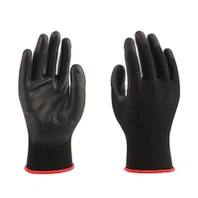
Industrial Nitrile Gloves are designed for heavy - duty applications in dusty industrial settings. These gloves typically have a thicker nitrile coating, providing enhanced protection against abrasion and punctures. They are also available in various styles, such as full - dip and palm - dip, to suit different work requirements. In a construction site, where workers are exposed to construction dust, debris, and sharp objects, industrial nitrile gloves offer the necessary protection and durability.
Microfoam Nitrile Gloves
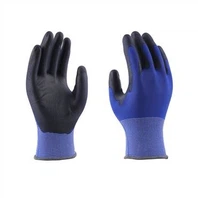
Microfoam Nitrile Gloves are another option for dusty conditions. The microfoam nitrile coating has a unique porous structure, which provides a soft and comfortable fit. These gloves are highly breathable, allowing air to circulate around the hands and reducing sweating. In a hot and dusty environment like a foundry, microfoam nitrile gloves can keep the hands dry and comfortable, improving worker productivity. Additionally, the microfoam texture offers excellent grip, similar to traditional nitrile gloves.
Real - World Performance
To understand the real - world performance of nitrile coated gloves in dusty conditions, let's look at some case studies.
Case Study 1: Construction Industry
In a large - scale construction project, workers were exposed to high levels of concrete dust and debris. Prior to using nitrile coated gloves, many workers reported skin irritation and discomfort due to the abrasive nature of the dust. After switching to industrial nitrile gloves, the number of skin - related complaints significantly decreased. Workers also noticed an improvement in their ability to handle tools, as the gloves provided a better grip on the slippery surfaces covered in dust. The durability of the gloves was also evident, as they lasted longer compared to the previous gloves used, reducing the frequency of glove replacements.
Case Study 2: Woodworking Shop
A woodworking shop faced challenges with workers' hands being exposed to fine wood dust, which caused allergic reactions in some employees. The introduction of microfoam nitrile gloves solved this problem. The breathable nature of the gloves kept the hands dry, and the barrier protection prevented the wood dust from coming into contact with the skin. Workers were able to work more comfortably for longer periods, and the overall productivity of the shop increased.
Considerations for Choosing Nitrile Coated Gloves in Dusty Conditions
When selecting nitrile coated gloves for dusty work environments, several factors should be considered.
1. Coating Thickness
The thickness of the nitrile coating determines the level of protection. Thicker coatings offer more protection against abrasion and punctures but may reduce dexterity. For tasks that require fine motor skills, such as handling small parts in a manufacturing setting, a thinner nitrile coating may be more appropriate. On the other hand, for heavy - duty tasks in a construction or mining environment, a thicker coating is recommended.
2. Fit
A proper fit is essential for comfort and performance. Gloves that are too tight can restrict blood circulation and cause discomfort, while gloves that are too loose may slip off or reduce the grip. It's important to choose gloves that are the right size for the worker's hands. Most nitrile coated gloves are available in a range of sizes, allowing for a more customized fit.

3. Compatibility with Other Equipment
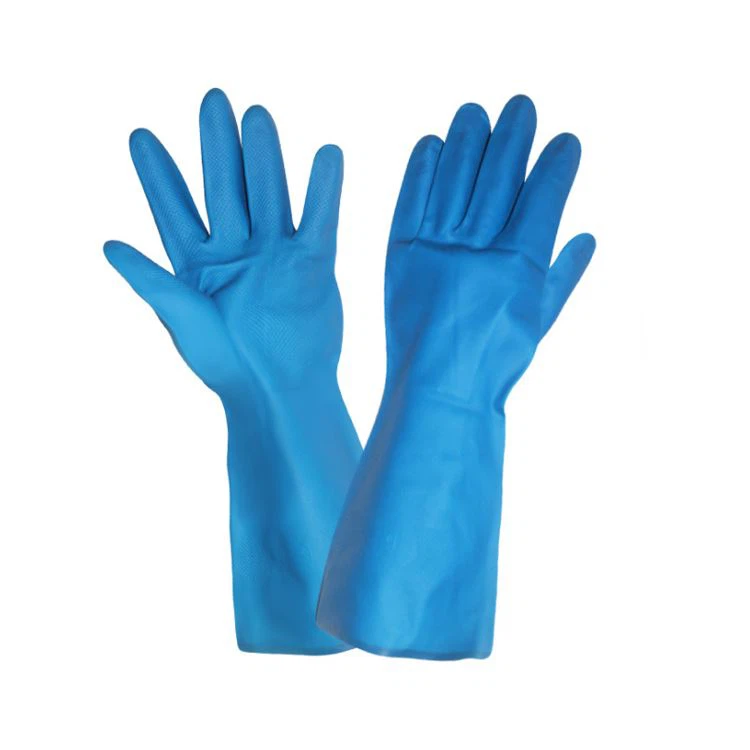
In some dusty work environments, workers may need to wear other personal protective equipment (PPE), such as safety goggles, respirators, or coveralls. The nitrile coated gloves should be compatible with this equipment. For example, if a worker is wearing a respirator, the gloves should not interfere with the proper functioning of the respirator seal.
Conclusion
In conclusion, nitrile coated gloves perform exceptionally well in dusty conditions. Their excellent barrier protection, durability, and grip make them an ideal choice for workers in a variety of industries. Whether it's industrial nitrile gloves for heavy - duty applications or microfoam nitrile gloves for comfort and breathability, there is a suitable option for every dusty work environment.
If you're looking for high - quality nitrile coated gloves for your dusty work environment, we are here to help. Our team of experts can assist you in choosing the right gloves based on your specific needs. Contact us today to start a procurement discussion and ensure that your workers are well - protected in dusty conditions.
References
- Occupational Safety and Health Administration (OSHA). "Respirable Crystalline Silica Standard."
- American Conference of Governmental Industrial Hygienists (ACGIH). "Threshold Limit Values for Chemical Substances and Physical Agents and Biological Exposure Indices."
- Gloves Manufacturers Association. "Guide to Selecting Gloves for Different Work Environments."