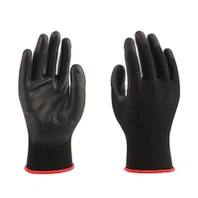
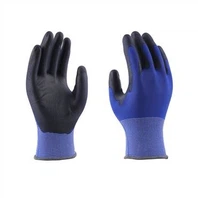
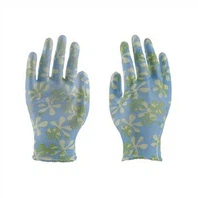
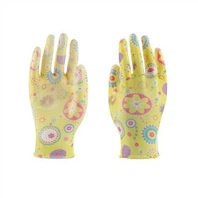
As a supplier of Pu Finger Coated Gloves, I've often been asked about the gloves' performance against UV rays. In this blog, I'll delve into the science behind how these gloves hold up under UV exposure, exploring the factors that influence their UV resistance, the potential impacts of UV rays on the gloves, and practical tips for maintaining their integrity in UV - rich environments.
Understanding UV Rays and Their Effects on Materials
UV rays are a part of the electromagnetic spectrum with wavelengths shorter than visible light. They are divided into three main types: UVA (320 - 400 nm), UVB (280 - 320 nm), and UVC (100 - 280 nm). Most UVC rays are absorbed by the Earth's ozone layer, but UVA and UVB rays reach the surface and can cause damage to various materials.
When it comes to polymers like the polyurethane (PU) used in our finger - coated gloves, UV rays can initiate a process called photodegradation. Photodegradation occurs when the energy from UV photons breaks the chemical bonds in the polymer chains. This can lead to a range of physical and chemical changes in the material, such as discoloration, loss of flexibility, and reduced mechanical strength.
Factors Affecting the UV Resistance of Pu Finger Coated Gloves
1. Composition of the PU Coating
The formulation of the polyurethane coating plays a crucial role in determining its UV resistance. Some PU formulations contain additives such as UV stabilizers and antioxidants. UV stabilizers work by absorbing or dissipating the UV energy before it can cause damage to the polymer chains. Antioxidants, on the other hand, prevent the oxidation reactions that can be triggered by UV exposure, which can further degrade the material.
For example, our 13G CARBON FIBER ANTI - STATIC PU COATED GLOVES are designed with a special PU coating that includes advanced UV stabilizers. These stabilizers help to minimize the effects of UV rays, ensuring that the gloves maintain their performance and appearance over time.
2. Thickness of the Coating
The thickness of the PU coating also affects its ability to resist UV rays. A thicker coating provides more material to absorb and scatter the UV energy, reducing the amount of UV that reaches the underlying glove material. However, it's important to strike a balance, as an overly thick coating can make the gloves less flexible and comfortable to wear.
3. Color of the Gloves
The color of the gloves can influence their UV resistance. Darker colors, such as black, tend to absorb more UV energy than lighter colors. This means that Black PU Coated Gloves may experience more significant heating and potentially more rapid photodegradation compared to White PU Gloves. White or light - colored gloves reflect more UV rays, which can help to reduce the amount of energy absorbed by the coating.
Testing the UV Resistance of Pu Finger Coated Gloves
To ensure the quality and UV resistance of our Pu Finger Coated Gloves, we conduct a series of tests. One common test method is the accelerated weathering test. In this test, the gloves are exposed to high - intensity UV light in a controlled environment for a specific period. The conditions in the test chamber are designed to simulate years of outdoor exposure in a relatively short time.
After the accelerated weathering test, we evaluate the gloves for changes in appearance, such as discoloration and cracking, as well as changes in physical properties like tensile strength and elongation. By comparing the results of the tested gloves with the original specifications, we can determine the effectiveness of the UV - resistant features of the gloves.
Practical Impacts of UV Exposure on Pu Finger Coated Gloves
1. Discoloration
One of the most visible effects of UV exposure is discoloration. Over time, the PU coating on the gloves may turn yellow or brown, especially in areas that are most exposed to the sun. This not only affects the aesthetic appeal of the gloves but can also be an indication of underlying material degradation.
2. Loss of Flexibility
As the polymer chains in the PU coating break down due to photodegradation, the gloves can lose their flexibility. This can make them stiffer and more difficult to bend and stretch, which can be a significant problem for users who need to perform fine - motor tasks.
3. Reduced Grip
The integrity of the grip provided by the finger - coated gloves can also be affected by UV exposure. As the coating deteriorates, it may become less tacky, reducing the friction between the gloves and the objects being handled. This can pose a safety risk, especially in industries where a good grip is essential, such as construction and manufacturing.
Tips for Maintaining the UV Resistance of Pu Finger Coated Gloves
1. Storage
Proper storage is essential for maintaining the UV resistance of the gloves. When not in use, the gloves should be stored in a cool, dry place away from direct sunlight. Exposure to sunlight during storage can accelerate the photodegradation process, even if the gloves are not being actively used.
2. Cleaning
Regular cleaning can also help to maintain the performance of the gloves. However, it's important to use mild cleaning agents that do not contain harsh chemicals that could damage the PU coating. Avoid using abrasive materials or excessive scrubbing, as this can also cause damage to the coating.


3. Replacement
Even with the best UV - resistant features and proper maintenance, the gloves will eventually degrade over time. It's important to establish a regular replacement schedule based on the frequency of use and the level of UV exposure. This will ensure that the gloves continue to provide the necessary protection and performance.
Conclusion
Pu Finger Coated Gloves can offer a certain level of protection against UV rays, but their performance depends on various factors such as the composition of the coating, thickness, and color. By understanding the science behind UV resistance and taking appropriate measures to maintain the gloves, users can ensure that the gloves last longer and continue to provide the necessary functionality.
If you're in the market for high - quality Pu Finger Coated Gloves with excellent UV resistance, we invite you to contact us for more information. Our team of experts can help you select the right gloves for your specific needs and provide you with detailed product information. We look forward to discussing your requirements and exploring potential business opportunities with you.
References
- ASTM International. (2018). Standard Practice for Operating Fluorescent Ultraviolet (UV) Lamp Apparatus for Exposure of Nonmetallic Materials. ASTM G154 - 18.
- Wypych, G. (2019). Handbook of Material Weathering. ChemTec Publishing.