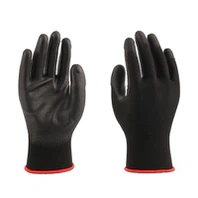
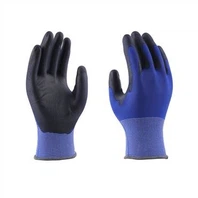
When it comes to choosing the right gloves for various applications, two popular options often come into consideration: NBR (Nitrile Butadiene Rubber) gloves and vinyl gloves. As a leading NBR gloves supplier, I have witnessed firsthand the distinct characteristics and performance of these two types of gloves in different industries. In this blog post, I will provide a comprehensive comparison between NBR gloves and vinyl gloves, highlighting their advantages, disadvantages, and suitable use cases.
Material Composition and Manufacturing Process
NBR gloves are made from nitrile butadiene rubber, a synthetic rubber compound. This material is produced through a polymerization process that combines acrylonitrile and butadiene. The resulting rubber has excellent chemical resistance, puncture resistance, and elasticity. During the manufacturing process, NBR gloves are typically dipped in a nitrile solution multiple times to build up the desired thickness and strength.
On the other hand, vinyl gloves are made from polyvinyl chloride (PVC), a type of plastic. Vinyl gloves are manufactured by dipping a glove-shaped former into a PVC resin solution. The resin is then heated and cured to form a solid glove. Vinyl gloves are generally thinner and less durable than NBR gloves.
Physical Properties
Durability and Puncture Resistance
One of the key advantages of NBR gloves is their superior durability and puncture resistance. Nitrile rubber is a tough and resilient material that can withstand sharp objects and rough handling. This makes NBR gloves ideal for applications where there is a high risk of punctures, such as in the automotive, construction, and manufacturing industries. For example, when working with metal sheets or sharp tools, NBR gloves can provide reliable protection against cuts and abrasions.
Vinyl gloves, on the other hand, are more prone to tearing and puncturing. The thin PVC material used in vinyl gloves offers limited protection against sharp objects. As a result, vinyl gloves are not suitable for applications where there is a significant risk of punctures. However, they can be used for light-duty tasks that do not require high levels of durability.
Chemical Resistance
NBR gloves have excellent chemical resistance, making them suitable for handling a wide range of chemicals. Nitrile rubber is resistant to many solvents, oils, acids, and bases. This makes NBR gloves a popular choice in industries such as chemical manufacturing, laboratories, and healthcare. For instance, in a chemical laboratory, NBR gloves can protect the hands from exposure to corrosive chemicals.
Vinyl gloves have limited chemical resistance compared to NBR gloves. They are generally resistant to water-based chemicals but can be easily damaged by solvents and oils. Therefore, vinyl gloves are not recommended for handling hazardous chemicals.
Comfort and Fit
NBR gloves are known for their excellent comfort and fit. The elasticity of nitrile rubber allows the gloves to conform to the shape of the hand, providing a snug and comfortable fit. NBR gloves also have a textured surface that improves grip, making them easier to handle objects. Additionally, many NBR gloves are powder-free, which reduces the risk of allergic reactions and contamination.
Vinyl gloves are less comfortable than NBR gloves. The PVC material used in vinyl gloves is less elastic, which can result in a loose and baggy fit. Vinyl gloves also tend to be less breathable, which can cause the hands to sweat and become uncomfortable during extended use.
Cost
In general, vinyl gloves are less expensive than NBR gloves. The lower cost of vinyl gloves makes them a popular choice for applications where cost is a major consideration, such as in the food service industry. However, it is important to note that the lower cost of vinyl gloves may come at the expense of durability and performance.
NBR gloves are more expensive than vinyl gloves, but they offer better durability, chemical resistance, and comfort. In applications where safety and performance are critical, the higher cost of NBR gloves may be justified.
Suitable Use Cases
NBR Gloves
- Healthcare Industry: NBR gloves are widely used in the healthcare industry due to their excellent chemical resistance and puncture resistance. They are used for tasks such as patient care, laboratory work, and surgery. For example, surgeons often wear NBR gloves to protect themselves and their patients from infections and exposure to hazardous chemicals.
- Automotive and Manufacturing Industries: NBR gloves are ideal for applications in the automotive and manufacturing industries where there is a high risk of punctures and exposure to chemicals. They are used for tasks such as handling sharp tools, working with metal parts, and applying adhesives.
- Chemical and Laboratory Settings: NBR gloves are the preferred choice for handling chemicals in laboratories and chemical manufacturing plants. They provide reliable protection against a wide range of chemicals, including solvents, acids, and bases.
Vinyl Gloves
- Food Service Industry: Vinyl gloves are commonly used in the food service industry due to their low cost and disposable nature. They are used for tasks such as food preparation, serving, and cleaning. However, it is important to ensure that the vinyl gloves used in the food service industry are food-grade and meet the relevant safety standards.
- Cleaning and Janitorial Services: Vinyl gloves are suitable for light-duty cleaning tasks in homes, offices, and commercial buildings. They can protect the hands from exposure to cleaning chemicals and dirt.
Conclusion
In conclusion, NBR gloves and vinyl gloves have their own unique advantages and disadvantages. NBR gloves offer superior durability, puncture resistance, and chemical resistance, making them suitable for applications where safety and performance are critical. Vinyl gloves, on the other hand, are less expensive and disposable, making them a popular choice for light-duty tasks and applications where cost is a major consideration.
As a NBR gloves supplier, I recommend choosing NBR gloves for applications that require high levels of protection and performance. Our company offers a wide range of NBR gloves, including Nitrile Coated Cotton Gloves, Blue Nitrile Gauntlet Gloves, and Fully Nitrile Coated Gloves (Knitted Wrist). Our gloves are made from high-quality nitrile rubber and are designed to provide maximum comfort and protection.
If you are interested in purchasing NBR gloves for your business, please feel free to contact us for more information. We would be happy to discuss your specific needs and provide you with a customized solution.


References
- "Nitrile Gloves vs. Vinyl Gloves: What's the Difference?" by SafetyGloves.com
- "The Ultimate Guide to Nitrile Gloves" by Gloveworx
- "Vinyl Gloves: Uses, Benefits, and Limitations" by Medline Industries