Hey there! As a supplier of PU cut resistant gloves, I often get asked how these gloves stack up against PVC gloves when it comes to cut resistance. So, I thought I'd break it down for you in this blog post.
First off, let's talk about what makes cut resistance so important. In many industries, like construction, manufacturing, and even food processing, workers are constantly at risk of cuts and lacerations. That's where cut resistant gloves come in. They're designed to protect your hands from sharp objects, reducing the chance of injury and keeping you safe on the job.
What are PU Cut Resistant Gloves?
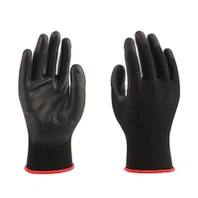
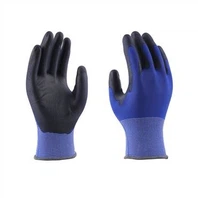
PU, or polyurethane, cut resistant gloves are a popular choice in the market. These gloves are typically made with a base material, like a high - strength fiber, and then coated with a layer of polyurethane. The base fibers can vary, but they're usually something like Dyneema or Spectra, which are known for their excellent cut resistance properties.
The polyurethane coating serves several purposes. It not only adds an extra layer of protection but also improves the grip of the glove. This is super important because a good grip means you can handle tools and materials more safely and efficiently. For example, our Cut Resistant Safety Gloves are designed with a special PU coating that gives you a secure hold on objects, even in wet or oily conditions.
What are PVC Gloves?
PVC, or polyvinyl chloride, gloves are another common type of glove used in various industries. They're often made from a single layer of PVC material. PVC gloves are known for being relatively inexpensive and waterproof. They're commonly used in industries where there's a risk of chemical exposure or wet work, like cleaning, painting, and some light - duty manufacturing jobs.


Cut Resistance Comparison
When it comes to cut resistance, PU cut resistant gloves generally outperform PVC gloves. The high - strength fibers used in PU gloves are specifically engineered to resist cuts. These fibers have a high tensile strength, which means they can withstand a lot of force before breaking.
Let's take a look at our 13G PU Coated Cut Resistant Gloves - Level 5. These gloves are rated at cut level 5, which is one of the highest levels of cut resistance available. This means they can protect your hands from very sharp objects, like knives and blades, even when used in high - risk environments.
On the other hand, PVC gloves are not designed primarily for cut resistance. While they can offer some protection against minor cuts, they're not as effective as PU gloves when it comes to more serious threats. PVC is a relatively soft material compared to the fibers used in PU gloves, so it's more likely to tear or puncture when exposed to sharp objects.
Comfort and Dexterity
Comfort and dexterity are also important factors to consider when choosing gloves. PU cut resistant gloves are often more comfortable to wear for long periods. The base fibers are usually lightweight and flexible, allowing your hands to move freely. The PU coating is also breathable, which means your hands won't get too sweaty and uncomfortable.
PVC gloves, on the other hand, can be a bit stiff and bulky. They may restrict your hand movements, making it harder to perform delicate tasks. And because PVC is not very breathable, your hands can get hot and sweaty quickly, which can be a real pain, especially if you have to wear the gloves for a long time.
Durability
In terms of durability, PU cut resistant gloves tend to last longer than PVC gloves. The high - strength fibers in PU gloves are more resistant to wear and tear, and the PU coating helps to protect the base material from damage. This means you won't have to replace your PU gloves as often as you would PVC gloves.
Our Medium Strength PE Fiber Cut Resistant Gloves are a great example of durable PU gloves. They're made with a medium - strength polyethylene fiber that can withstand a lot of abuse. The PU coating further enhances their durability, making them a great investment for any workplace.
Cost
Cost is always a factor when choosing gloves. PVC gloves are generally cheaper than PU cut resistant gloves. However, you have to consider the long - term costs. Since PU gloves are more durable and offer better protection, you may end up saving money in the long run. You won't have to replace them as often, and you'll reduce the risk of workplace injuries, which can be costly for both you and your employees.
Conclusion
So, in conclusion, if you're looking for gloves with excellent cut resistance, comfort, durability, and long - term value, PU cut resistant gloves are the way to go. While PVC gloves have their uses, especially in situations where waterproofing and low cost are the main concerns, they can't compete with PU gloves when it comes to cut protection.
If you're interested in learning more about our PU cut resistant gloves or have any questions about which gloves are right for your needs, don't hesitate to reach out. We're here to help you find the best protection for your hands. Whether you're a small business or a large corporation, we can work with you to find the perfect gloves for your workplace. Contact us today to start the conversation and let's get you the gloves you need to keep your hands safe.
References
- ASTM International. (n.d.). ASTM F1790 - 16(2021) Standard Test Method for Measuring Cut Resistance of Hand Protection Using a Rotary Blade Tester.
- EN 388:2016+A1:2018. Protective gloves against mechanical risks.