Hey there! As a supplier of PU cut resistant gloves, I often get asked about the stretchability of these gloves. So, today I'm gonna dive deep into this topic and share some insights based on my experience in the industry.
First off, let's talk about what stretchability means in the context of PU cut resistant gloves. Stretchability refers to the ability of the gloves to expand and contract without losing their shape or integrity. It's a crucial factor because it directly affects how comfortable the gloves are to wear and how well they fit different hand sizes.
One of the main reasons why stretchability matters is comfort. If a glove doesn't stretch well, it can feel tight and restrictive, making it difficult to move your fingers freely. This can be a real problem, especially if you're doing tasks that require a lot of dexterity, like handling small objects or using tools. On the other hand, a glove with good stretchability will conform to the shape of your hand, providing a snug fit that doesn't impede movement.
Another important aspect is fit. Everyone's hands are different in terms of size and shape, and a glove that stretches well can accommodate a wider range of hand sizes. This means that you're more likely to find a glove that fits you properly, which is essential for both comfort and safety. A poorly fitting glove can be a safety hazard because it may not provide adequate protection or may even slip off during use.
So, do PU cut resistant gloves have a good stretchability? The answer is, it depends. There are several factors that can affect the stretchability of these gloves, including the materials used, the manufacturing process, and the design.
Let's start with the materials. PU, or polyurethane, is a synthetic material that is commonly used in the coating of cut resistant gloves. It's known for its durability, abrasion resistance, and cut protection. However, the stretchability of PU can vary depending on its formulation. Some types of PU are more flexible and stretchy than others, so it's important to choose a glove that uses a high-quality PU coating.
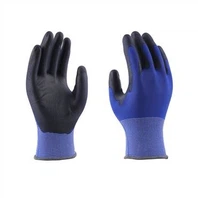
In addition to the PU coating, the base material of the glove also plays a role in its stretchability. Many PU cut resistant gloves are made with high-performance fibers, such as HPPE (high-performance polyethylene) or PE (polyethylene). These fibers are known for their strength and cut resistance, but they can also have different levels of stretchability. For example, 18G Extra Thin HPPE PU Cut Resistant Gloves are made with a thin HPPE base material that provides excellent cut protection while still maintaining a good level of stretchability.
The manufacturing process can also affect the stretchability of the gloves. Gloves that are made using advanced knitting techniques, such as circular knitting, tend to have better stretchability than those made using other methods. Circular knitting creates a seamless tube of fabric that can stretch in all directions, providing a more comfortable and flexible fit.
Finally, the design of the glove can also impact its stretchability. Some gloves are designed with features like pre-curved fingers or elastic cuffs, which can enhance the stretchability and fit of the glove. For example, Cut Resistant Pu Coated Work Gloves For Outdoor are designed with a pre-curved finger shape that mimics the natural position of the hand, providing a more comfortable and ergonomic fit.
In my experience, most high-quality PU cut resistant gloves have a good level of stretchability. However, it's important to choose a glove that is specifically designed for your needs and to try them on before you buy. This will allow you to assess the stretchability and fit of the gloves and make sure that they are comfortable to wear.
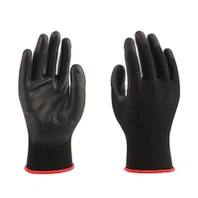
If you're in the market for PU cut resistant gloves, I recommend checking out our Medium Strength PE Fiber Cut Resistant Gloves. These gloves are made with a high-quality PE base material and a durable PU coating, providing excellent cut protection and stretchability. They are also available in a variety of sizes and styles to suit your needs.


In conclusion, stretchability is an important factor to consider when choosing PU cut resistant gloves. A glove with good stretchability will provide a more comfortable fit, enhance dexterity, and improve safety. By choosing a high-quality glove that is made with the right materials, using advanced manufacturing techniques, and designed for your needs, you can ensure that you get the best possible performance and protection.
If you have any questions or would like to learn more about our PU cut resistant gloves, please don't hesitate to contact us. We're here to help you find the perfect gloves for your needs and to provide you with the best possible customer service. Let's start a conversation about your procurement needs and see how we can work together!
References
- Personal experience in the PU cut resistant gloves industry.
- Industry knowledge and research on glove materials and manufacturing processes.