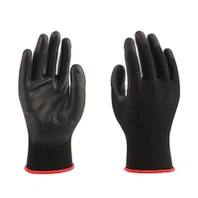
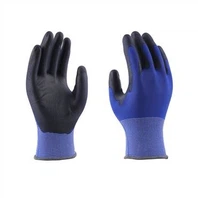
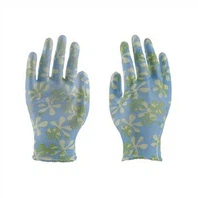
As a dedicated supplier of Nitrile Foam Coated Gloves, I've spent a significant amount of time exploring the characteristics and performance of these essential safety products. One of the most frequent questions I encounter from customers, whether they're in the manufacturing, construction, or general industrial sectors, is about the abrasion resistance of nitrile foam coated gloves. In this blog, I'll delve into the science behind their resistance to abrasion, examine their real - world performance, and highlight why our range of gloves stands out in this regard.
Understanding Abrasion and the Importance of Resistance
Abrasion is the process of surface wear that occurs when two objects rub against each other. In a work environment, gloves are constantly exposed to various abrasive materials such as rough surfaces, sharp edges, and high - friction substances. Gloves that cannot withstand this wear and tear not only compromise the safety of the wearer but also lead to increased costs due to frequent replacements.
Nitrile foam coated gloves are designed to be a reliable solution for these challenges. The nitrile foam coating provides a cushioning layer on the base fabric, which can absorb and distribute the forces generated during abrasion. The porous nature of the foam structure plays a crucial role in this process. It allows the coating to compress under pressure, reducing the direct impact on the underlying material and minimizing wear.
The Science of Nitrile Foam in Abrasion Resistance
The composition of nitrile itself is a key factor. Nitrile is a synthetic rubber that is known for its excellent chemical resistance and toughness. When it comes to abrasion, nitrile can resist the cutting and tearing forces better than many other materials. During the manufacturing process of nitrile foam coated gloves, the nitrile is expanded to create a foamy structure. This foam has a unique internal network that can act as a shock absorber.
When an abrasive force is applied to the glove, the foam cells compress. This compression spreads the force over a larger area, reducing the stress at any single point on the glove surface. Moreover, the foam structure allows for some flexibility, which helps it to conform to the shape of the abrasive object. This reduces the likelihood of the glove being snagged or torn by sharp edges.
Real - World Testing and Performance
We have conducted extensive tests on our Microfoam Nitrile Coated Gloves. These tests simulate real - life work scenarios, including handling rough metal parts, scraping concrete surfaces, and working with fibrous materials. In these conditions, our nitrile foam coated gloves have demonstrated remarkable durability.


Our Micro - foam Nitrile Gloves have shown consistent performance in abrasion resistance tests. The micro - foam structure provides a finer and more uniform layer of protection. It can withstand a significant number of abrasion cycles without showing signs of significant wear. For example, in a standardized Taber abrasion test, our gloves were able to endure hundreds of cycles with minimal loss of coating material.
The Gray Nylon With Spandex Micro Foam Nitrile Coated Gloves take abrasion resistance to the next level. The nylon base fabric, combined with spandex, offers a blend of strength and flexibility. The nitrile micro - foam coating further enhances the glove's ability to resist abrasion while maintaining a high level of dexterity. Workers using these gloves in high - friction applications have reported that they can work for extended periods without the gloves wearing out quickly.
Factors Affecting Abrasion Resistance
However, it's important to note that the abrasion resistance of nitrile foam coated gloves can be influenced by several factors. The type and quality of the nitrile used in the coating are critical. Higher - grade nitrile will generally offer better resistance to abrasion. The thickness of the coating also matters. A thicker coating can provide more protection, but it may also reduce the glove's flexibility and dexterity.
The base fabric of the glove also plays a role. Fabrics like nylon and polyester are known for their strength and can enhance the overall abrasion resistance of the glove. Additionally, the working conditions, such as the type of abrasive material, the pressure applied, and the frequency of abrasion, can all affect how well the gloves hold up.
Our Commitment to Quality and Performance
As a supplier, we are committed to providing the highest - quality nitrile foam coated gloves. We source the best raw materials and use advanced manufacturing processes to ensure that our gloves meet the strictest standards of abrasion resistance. Our quality control team conducts regular inspections and tests to guarantee that every glove that leaves our factory is capable of withstanding the rigors of the work environment.
We also understand that different industries have different requirements. That's why we offer a wide range of nitrile foam coated gloves, each designed to address specific needs. Whether it's a light - duty application or a heavy - duty industrial task, we have a glove that can provide the right level of protection.
Conclusion and Call to Action
In conclusion, nitrile foam coated gloves are an excellent choice for applications where abrasion resistance is crucial. Their unique foam structure, combined with the toughness of nitrile, allows them to hold up well against a variety of abrasive forces. Our range of Microfoam Nitrile Coated Gloves, Micro - foam Nitrile Gloves, and Gray Nylon With Spandex Micro Foam Nitrile Coated Gloves showcases the highest level of quality and performance in this regard.
If you're in the market for gloves that can provide reliable abrasion protection, we invite you to get in touch to discuss your specific needs. Our team of experts is ready to help you find the right gloves for your application and ensure that you get the best value for your investment.
References
- ASTM International. (20XX). Standard test methods for abrasion resistance of textile fabrics (rotary platform, double - head method). ASTM D3884 - XX.
- International Safety Equipment Association. (20XX). Best practices for selecting and using hand protection in high - abrasion environments.