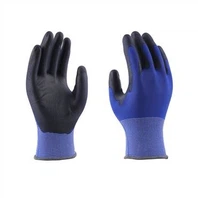
As a supplier of Latex Cut Resistant Gloves, I often encounter the question: Can I reuse latex cut resistant gloves? This is a crucial question for both cost - effectiveness and safety in various industries. In this blog, we'll explore the factors influencing the reusability of these gloves, the pros and cons, and best practices.
Factors Affecting Reusability
1. Material Integrity
The latex coating on cut - resistant gloves provides a barrier against various hazards. However, repeated use can cause wear and tear. If there are visible signs of damage such as holes, tears, or significant abrasions on the latex layer, the glove's ability to resist cuts and protect the hand is severely compromised. For example, in a manufacturing environment where workers handle sharp metal parts, even a small puncture can expose the hand to potential injury.
2. Contamination
Contamination is another major factor. If the gloves have been in contact with chemicals, biological agents, or other hazardous substances, reusing them without proper decontamination can be extremely dangerous. For instance, in a laboratory setting where gloves come into contact with toxic chemicals, reusing contaminated gloves can lead to chemical burns, absorption of harmful substances through the skin, or cross - contamination of samples.
3. Cut Resistance Rating
The cut resistance rating of the gloves is assigned based on standardized tests. With repeated use, this rating may degrade. Tests show that after a certain number of abrasions and cuts, the fibers within the cut - resistant liner can weaken, reducing the glove's ability to withstand sharp objects. A glove that originally had a high cut resistance rating may no longer provide the same level of protection after extended use.
Advantages of Reusing Latex Cut Resistant Gloves
1. Cost - Savings
One of the most obvious benefits is cost - savings. In industries where gloves are used in large quantities, such as construction and manufacturing, the cost of purchasing new gloves can add up quickly. Reusing gloves that are still in good condition can significantly reduce the overall expenditure on personal protective equipment (PPE).
2. Environmental Impact
By reusing gloves, we can also reduce the amount of waste going into landfills. The production of latex gloves requires resources, and reducing the demand for new gloves through reuse can contribute to a more sustainable environment.
Disadvantages of Reusing Latex Cut Resistant Gloves
1. Reduced Protection
As mentioned earlier, repeated use can lead to a decrease in the glove's cut resistance and barrier properties. This means that the user may be at a higher risk of injury or exposure to harmful substances. In a high - risk environment, relying on reused gloves with reduced protection can have serious consequences.
2. Hygiene Concerns
Even with proper cleaning, it can be difficult to completely eliminate all contaminants from gloves. Bacteria, viruses, and other microorganisms can still remain on the surface, especially in hard - to - reach areas. This can pose a health risk to the wearer, particularly in industries such as healthcare and food processing.
Best Practices for Reusing Latex Cut Resistant Gloves
1. Inspection
Before each reuse, carefully inspect the gloves for any signs of damage. Check the latex coating for holes, tears, and abrasions, and also examine the cut - resistant liner. If any damage is detected, the gloves should be discarded immediately.
2. Cleaning
Proper cleaning is essential for reusing gloves. Use a mild, non - abrasive detergent and warm water to clean the gloves. Avoid using harsh chemicals that can damage the latex or the cut - resistant fibers. After cleaning, rinse the gloves thoroughly and allow them to dry completely in a well - ventilated area.
3. Storage
Store the gloves in a clean, dry place away from direct sunlight and heat sources. Exposure to sunlight and high temperatures can cause the latex to deteriorate over time. It's also a good idea to store the gloves in a sealed container to prevent contamination.
Special Considerations for Different Industries
1. Healthcare
In the healthcare industry, the risk of contamination is extremely high. Gloves are often in contact with bodily fluids, pathogens, and chemicals. While some healthcare facilities may have strict single - use policies for latex gloves due to the risk of cross - contamination, in some less - critical areas, limited reuse may be possible under strict cleaning and inspection protocols.
2. Construction and Manufacturing
In construction and manufacturing, gloves are subject to heavy wear and tear from working with sharp tools and rough materials. Reusing gloves can be more common, but careful inspection is crucial. Workers should also be trained on proper cleaning and storage procedures.
3. Cold Environments with Cut Resistant Winter Gloves
In cold environments, cut - resistant winter gloves often have additional insulation layers. Reusing these gloves requires extra attention to ensure that the insulation remains intact. Moisture from perspiration can also be a problem, as it can reduce the effectiveness of the insulation. Thorough drying is essential before reuse.
When to Replace Gloves
It's important to know when it's time to replace latex cut resistant gloves. If the gloves fail the inspection, show signs of significant wear and tear, or have been contaminated with substances that cannot be properly removed, they should be replaced. Additionally, if the gloves no longer fit properly or cause discomfort, it's time for a new pair.


Conclusion
In conclusion, the reusability of latex cut resistant gloves depends on several factors, including material integrity, contamination, and cut resistance rating. While reusing gloves can offer cost - savings and environmental benefits, it must be done with caution to ensure safety. By following best practices such as inspection, cleaning, and proper storage, users can make informed decisions about whether to reuse their gloves.
If you are interested in high - quality latex cut resistant gloves or need more information about our products, we welcome you to contact us for procurement and further discussions. We are committed to providing the best protective solutions for your industry.
References
- ASTM International standards for cut - resistant gloves.
- Occupational Safety and Health Administration (OSHA) guidelines on personal protective equipment.
- Industry research reports on the performance and durability of latex cut resistant gloves.