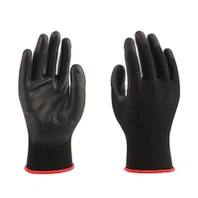
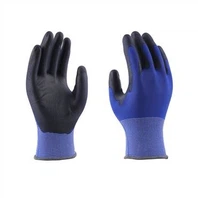
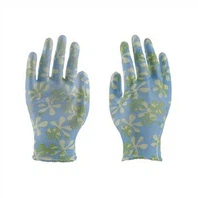
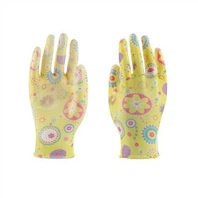
As a trusted supplier of Nitrile Foam Coated Gloves, I've seen firsthand the diverse needs of industries and individuals who rely on these gloves for protection, dexterity, and comfort. One of the most frequently asked questions I encounter is about how nitrile foam coated gloves fit on the hand. In this blog, I'll delve into the details of their fit, how it impacts performance, and why finding the right fit is crucial.
Understanding the Anatomy of Nitrile Foam Coated Gloves
Before we discuss the fit, it's essential to understand the structure of nitrile foam coated gloves. These gloves typically consist of a liner, often made of materials like nylon or polyester, which provides the base structure and some level of comfort. The nitrile foam coating is then applied to the liner. The foam is created by injecting gas into the nitrile during the manufacturing process, resulting in a porous, lightweight, and flexible material.


The foam coating offers several benefits, including enhanced grip, especially when handling wet or oily objects, and improved breathability. The liner, on the other hand, provides a snug fit and helps to wick away moisture from the hand, keeping it dry and comfortable during extended use.
Factors Affecting the Fit
Several factors contribute to how well nitrile foam coated gloves fit on the hand. One of the most significant factors is the glove size. Just like with regular gloves, nitrile foam coated gloves come in a range of sizes, typically measured by the circumference of the hand at the widest point (excluding the thumb). It's important to measure your hand accurately to ensure you select the right size. Wearing gloves that are too large can lead to a loose fit, which may cause the gloves to slip off during use, reducing dexterity and increasing the risk of accidents. Conversely, gloves that are too small can be tight and restrictive, causing discomfort and limiting hand movement.
Another factor is the glove length. Nitrile foam coated gloves are available in different lengths, including wrist-length, mid-forearm, and full-forearm styles. The length you choose depends on the specific application and the level of protection required. For example, if you're working with chemicals that could splash onto your forearms, a longer glove may be more appropriate. However, longer gloves may also be more cumbersome and affect the fit around the wrist.
The design of the glove also plays a role in the fit. Some nitrile foam coated gloves feature a pre-curved design, which mimics the natural shape of the hand when it's in a relaxed position. This design can enhance comfort and dexterity, as it reduces the amount of effort required to grip objects. Additionally, gloves with a seamless liner can provide a more comfortable and secure fit, as they eliminate the irritation that can be caused by seams rubbing against the skin.
The Importance of a Good Fit
A proper fit is essential for several reasons. First and foremost, it ensures the effectiveness of the gloves in providing protection. Gloves that fit well are less likely to tear or come off during use, which means they can better protect your hands from cuts, abrasions, chemicals, and other hazards. For example, in the construction industry, workers who handle sharp objects or work with chemicals rely on nitrile foam coated gloves to keep their hands safe. A loose-fitting glove could expose their hands to these risks, while a well-fitted glove provides a reliable barrier.
Secondly, a good fit improves dexterity. When gloves fit properly, they allow your fingers to move freely, making it easier to perform tasks that require precision, such as handling small parts or operating tools. This is particularly important in industries like electronics manufacturing and automotive repair, where workers need to be able to manipulate delicate components with ease.
Finally, a comfortable fit is crucial for long-term use. Gloves that are too tight can cause discomfort, numbness, and even pain, which can lead to reduced productivity and increased risk of injury. On the other hand, gloves that fit well are more likely to be worn consistently, which means workers are more likely to be protected.
Testing the Fit
When selecting nitrile foam coated gloves, it's important to test the fit before making a purchase. Start by putting on the gloves and flexing your fingers and wrist. The gloves should feel snug but not tight, and there should be no excess material bunching up or restricting movement. Pay attention to how the gloves feel around the fingertips and the palm. The fingertips should be able to move freely, and the palm should have a good grip on objects.
You can also test the fit by performing some simple tasks, such as picking up small objects or gripping tools. This will give you a better idea of how the gloves will perform in real-world situations. If the gloves feel uncomfortable or restrict your movement during these tests, they may not be the right fit for you.
Different Styles and Their Fit
There are several different styles of nitrile foam coated gloves available on the market, each with its own unique fit characteristics. Micro-foam Nitrile Gloves are known for their thin and flexible coating, which provides a high level of dexterity. These gloves typically have a snug fit, allowing for precise finger movement. They are ideal for tasks that require fine motor skills, such as electronics assembly or laboratory work.
Microfoam Nitrile Coated Gloves offer a balance between dexterity and protection. They have a slightly thicker coating than micro-foam gloves, which provides better resistance to abrasions and chemicals. These gloves usually have a more relaxed fit, which can be more comfortable for extended use. They are suitable for a wide range of applications, including general manufacturing, warehousing, and maintenance.
13 Gauge Foam Nitrile Coated Gloves are thicker and more durable than their lower gauge counterparts. They provide excellent protection against cuts, punctures, and abrasions, making them ideal for heavy-duty applications, such as construction, mining, and automotive repair. These gloves have a snug fit around the hand and wrist, which helps to prevent them from slipping off during use.
Choosing the Right Fit for Your Needs
When choosing nitrile foam coated gloves, it's important to consider your specific needs and the requirements of your job. If you need gloves for tasks that require high dexterity, such as handling small parts or operating delicate equipment, a thinner glove with a snug fit may be the best option. On the other hand, if you're working in a more hazardous environment where protection is the primary concern, a thicker glove with a more secure fit may be more appropriate.
It's also a good idea to try on different styles and sizes of gloves to find the one that fits you best. Remember, a proper fit is essential for the effectiveness, comfort, and performance of the gloves.
Contact Us for Purchasing
If you're in the market for high-quality nitrile foam coated gloves that offer a perfect fit, look no further. As a leading supplier, we offer a wide range of styles and sizes to meet your specific needs. Our gloves are made from the highest quality materials and undergo rigorous testing to ensure they meet the highest standards of performance and safety.
Whether you're a small business or a large corporation, we can provide you with the right gloves at a competitive price. Contact us today to discuss your glove requirements and start a purchasing洽谈. Our team of experts is ready to assist you in finding the perfect gloves for your needs.
References
- ASTM International. (2023). Standard test methods for performance for protective clothing.
- Occupational Safety and Health Administration (OSHA). (2023). Personal protective equipment standards.
- National Institute for Occupational Safety and Health (NIOSH). (2023). Workplace safety and health topics - Hand protection.