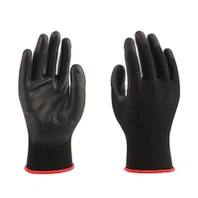
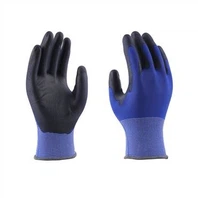
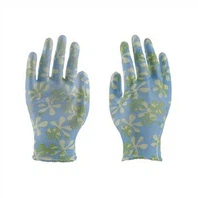
Hey there, fellow gardening enthusiasts! I'm a supplier of Sandy Nitrile Gloves, and I often get asked if these gloves are suitable for gardening. Well, let's dive right in and find out!
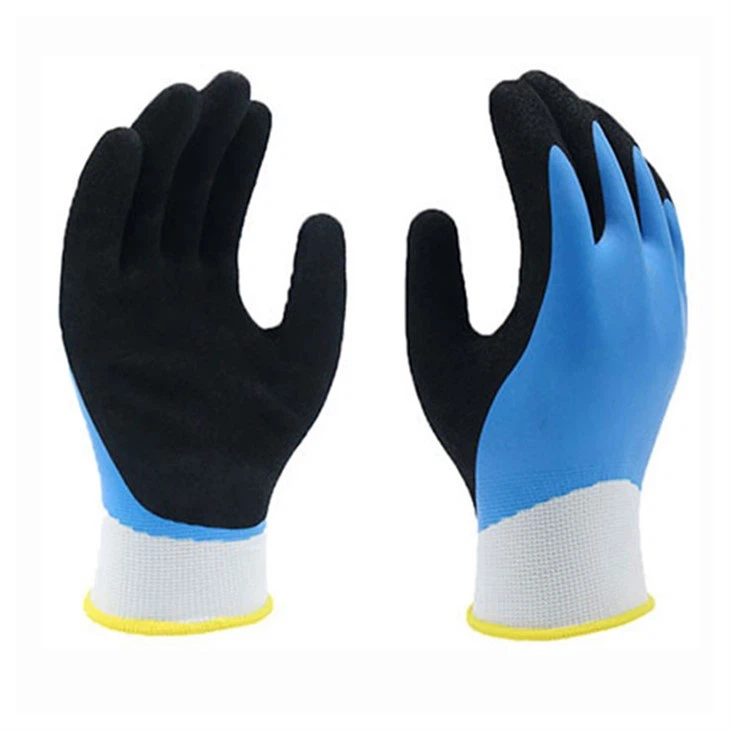
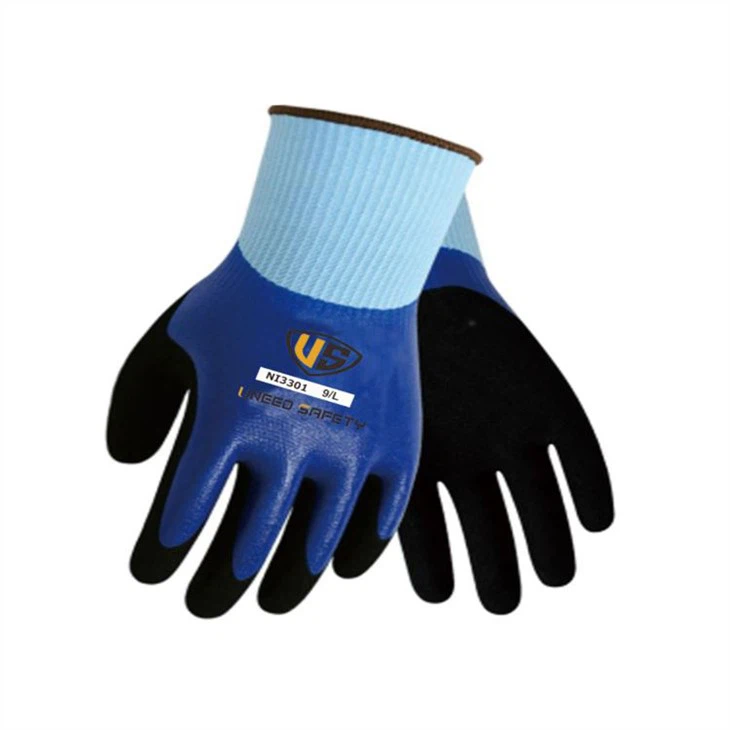
First off, let's talk about what Sandy Nitrile Gloves are. Nitrile is a synthetic rubber material known for its durability, chemical resistance, and puncture resistance. The "sandy" part refers to the textured finish on the gloves, which provides a better grip, especially when handling wet or slippery objects.
Advantages of Using Sandy Nitrile Gloves for Gardening
1. Durability
Gardening can be a rough and tumble activity. You're digging, pulling weeds, pruning branches, and handling all sorts of tools. Sandy Nitrile Gloves are up to the task. They're much more resistant to tears and punctures compared to regular latex gloves. For example, when you're dealing with thorny plants or sharp gardening tools, these gloves can protect your hands from getting cut or scratched. I've seen customers who use 13G Double Dipped Sandy Nitrile Coated Gloves and are really happy with how long they last. The double-dipped coating adds an extra layer of protection, making them even more durable.
2. Chemical Resistance
In gardening, you might come across various chemicals like pesticides, fertilizers, and herbicides. Nitrile is resistant to many chemicals, which means your hands are protected from potential harm. If you accidentally spill some fertilizer on your gloves while mixing it, the nitrile material will prevent the chemical from seeping through to your skin. This is a huge advantage, as exposure to these chemicals can cause skin irritation or other health problems.
3. Grip
The sandy texture on the gloves is a game-changer. When you're holding a wet hose, a slippery plant pot, or a muddy tool, the textured surface provides a better grip. It's like having a built-in non-slip feature. You won't have to worry about dropping things as easily, which can save you time and prevent accidents. Whether you're watering your plants or transplanting seedlings, the grip of Sandy Nitrile Gloves makes the job easier.
4. Comfort
Despite their durability, Sandy Nitrile Gloves are surprisingly comfortable to wear. They're flexible and allow for a wide range of hand movements. You can still feel the objects you're handling, which is important for tasks like delicate pruning or picking flowers. And because they're made of a synthetic material, they're a great option for people with latex allergies. Many of our customers who can't wear latex gloves have switched to Fully Nitrile Coated And Sandy Nitrile Palm Coated Gloves and love the comfort they provide.
Disadvantages of Using Sandy Nitrile Gloves for Gardening
1. Breathability
One of the downsides of nitrile gloves is that they're not as breathable as some other types of gloves, like cotton. When you're working in the garden for an extended period, your hands can get sweaty inside the gloves. This can be uncomfortable, especially on hot days. However, some of our newer models are designed to be more breathable, with special ventilation features. So, it's something to consider, but it might not be a deal-breaker.
2. Cost
Sandy Nitrile Gloves are generally more expensive than some other gardening gloves, like latex or cotton gloves. But when you think about the durability and protection they offer, it's worth the investment. You won't have to replace them as often, so in the long run, you might actually save money.
Comparing Sandy Nitrile Gloves with Other Gardening Gloves
1. Latex Gloves
Latex gloves are a popular choice for gardening because they're cheap and flexible. However, they're not as durable as nitrile gloves. They can tear easily, especially when exposed to sharp objects or chemicals. And as I mentioned earlier, many people are allergic to latex. On the other hand, Sandy Latex Gloves do offer a similar sandy texture for a better grip, but they still don't have the same level of chemical resistance as nitrile.
2. Cotton Gloves
Cotton gloves are very breathable and comfortable, but they're not very durable or resistant to chemicals. They can get dirty easily and are not suitable for heavy-duty gardening tasks. If you're just doing some light weeding or planting, cotton gloves might be okay, but for more serious gardening, Sandy Nitrile Gloves are a better choice.
Tips for Using Sandy Nitrile Gloves in the Garden
1. Size Matters
Make sure you choose the right size of gloves. If they're too big, they'll be loose and might not provide a good grip. If they're too small, they'll be tight and uncomfortable. Measure your hand size and refer to the sizing chart provided by the manufacturer.
2. Clean and Store Properly
After using the gloves, wash them with mild soap and water and let them dry completely. This will help to remove any dirt, chemicals, or bacteria. Store them in a cool, dry place away from direct sunlight. This will extend the lifespan of the gloves.
3. Pair with Other Safety Gear
While Sandy Nitrile Gloves provide good protection for your hands, it's still a good idea to wear other safety gear, like gardening shoes, eye protection, and a hat. This will keep you safe from other potential hazards in the garden.
So, can Sandy Nitrile Gloves be used for gardening? Absolutely! They offer a great combination of durability, chemical resistance, grip, and comfort. While they do have some drawbacks, the benefits far outweigh the negatives. If you're looking for high-quality gardening gloves that will last, give Sandy Nitrile Gloves a try.
If you're interested in purchasing our Sandy Nitrile Gloves for your gardening needs or any other applications, feel free to contact us for a quote and further details. We're always happy to help and discuss your specific requirements.
References
- Some research on nitrile glove materials and their properties.
- Customer feedback and experiences shared over the years.