Do white PU gloves have a good insulation ability?
As a supplier of white PU gloves, I've received numerous inquiries about the insulation ability of these gloves. From workers in various industries to individuals seeking protection in specific environments, the demand for gloves with reliable insulation properties is high. In this blog, we'll explore the insulation capabilities of white PU gloves based on scientific principles and practical applications.
Understanding the Basics of Insulation
Insulation refers to the ability of a material to resist the transfer of heat. In the context of gloves, good insulation means that the gloves can keep the hands warm in cold environments or protect them from heat sources. The key factors that determine the insulation ability of a material include its thermal conductivity, thickness, and the presence of air pockets.
Thermal conductivity is a measure of how easily heat can pass through a material. Materials with low thermal conductivity are good insulators because they allow heat to transfer slowly. When it comes to gloves, a lower thermal conductivity means that less heat will escape from the hands in cold conditions or enter the hands in hot conditions.
The thickness of the glove also plays a role in insulation. Generally, thicker gloves offer better insulation because they provide more material between the hand and the environment, which slows down the heat transfer process.
Air pockets are another important factor in insulation. Air is a poor conductor of heat, so materials that trap air effectively can provide good insulation. Many insulating materials, such as down feathers or foam, work by creating a large number of small air pockets within the material.
The Composition of White PU Gloves
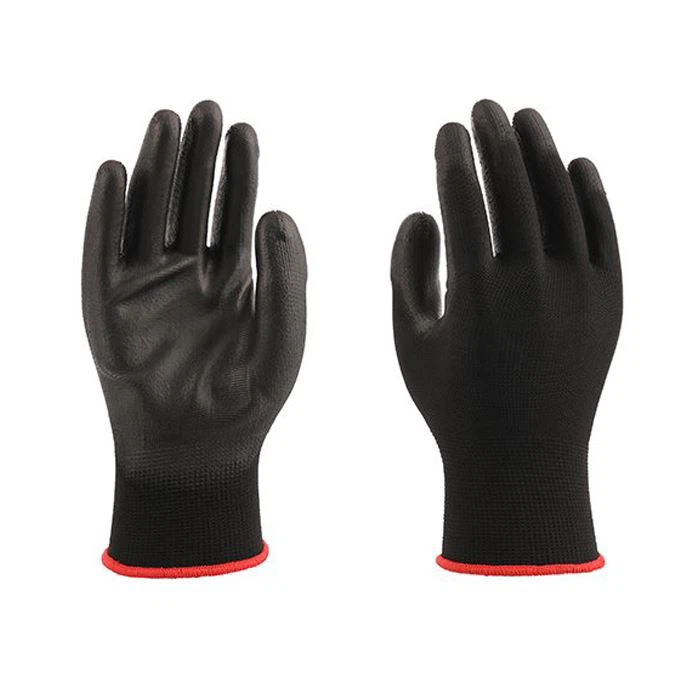
White PU gloves are typically made with a base layer of fabric, such as cotton or nylon, and coated with a layer of polyurethane (PU). The base fabric provides the structural support for the glove, while the PU coating offers additional protection, such as abrasion resistance and water repellency.
The choice of base fabric can affect the insulation properties of the glove. Cotton, for example, is a natural fiber that has some insulating properties due to its ability to trap air. However, cotton can become wet easily, which significantly reduces its insulation ability. Nylon, on the other hand, is a synthetic fiber that is more water - resistant than cotton. It also has a relatively low thermal conductivity, which makes it a good choice for insulation in combination with the PU coating.
The PU coating itself has a certain impact on insulation. Polyurethane has a relatively low thermal conductivity compared to some other materials, which means that it can act as a barrier to heat transfer. However, the thickness of the PU coating is a critical factor. A thicker coating will generally provide better insulation, but it may also make the glove less flexible and more difficult to work with.
Scientific Evidence on the Insulation of White PU Gloves
Several studies have evaluated the thermal properties of gloves coated with polyurethane. Research has shown that the insulation ability of PU - coated gloves depends on multiple factors, including the type of base fabric, the thickness of the coating, and the overall design of the glove.
For example, a study published in a materials science journal compared the thermal conductivity of different types of PU - coated gloves. The results indicated that gloves with a thicker PU coating and a base fabric with good air - trapping properties had lower thermal conductivity and thus better insulation. In cold environments, these gloves were able to keep the hands warmer for a longer period.
In addition, practical tests in industrial settings have also demonstrated the insulation performance of white PU gloves. Workers in cold storage facilities reported that white PU gloves provided a reasonable level of warmth, allowing them to handle cold products without experiencing excessive discomfort. However, it's important to note that the insulation ability may vary depending on the specific working conditions, such as the ambient temperature, the duration of exposure, and the level of physical activity.
Comparing White PU Gloves with Similar Products
When considering the insulation ability of white PU gloves, it's useful to compare them with other types of gloves. For instance, leather gloves are known for their durability and can provide good insulation in cold weather. However, leather can be expensive and may not offer the same level of flexibility and chemical resistance as white PU gloves.
Another type of glove often used for insulation is the neoprene glove. Neoprene is a synthetic rubber that has excellent insulation properties, especially in wet conditions. However, neoprene gloves can be bulky and may limit dexterity compared to white PU gloves.
White PU gloves strike a balance between insulation, flexibility, and cost - effectiveness. They are suitable for a wide range of applications, from light - duty work in cold environments to tasks that require a certain level of hand dexterity.
Applications and Limitations
White PU gloves are commonly used in industries such as food processing, electronics manufacturing, and laboratory work. In food processing, the gloves need to be clean and hygienic while providing some level of protection against cold temperatures. In electronics manufacturing, the gloves offer electrostatic discharge (ESD) protection and insulation from the coldness of some electronic components.
However, white PU gloves also have limitations in terms of insulation. In extremely cold environments, such as those below - 20°C, the insulation provided by white PU gloves may not be sufficient. In such cases, additional layers of insulation or specialized cold - weather gloves may be required.
Related Products from Our Catalog
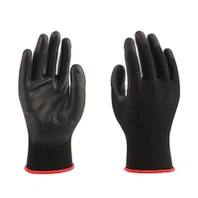
We also offer a variety of related products that may meet different needs. For example, our PU Coated Gloves - Black are a popular choice for those who prefer a darker color. These gloves have similar properties to white PU gloves in terms of insulation and protection, but with a more rugged appearance.
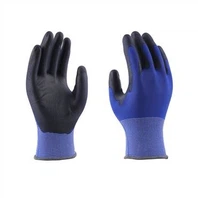
Our Polyurethane Coating Gloves PU For Safety Work are specially designed for safety - critical work environments. They provide enhanced insulation and protection against various hazards, such as chemicals and abrasions.
And if you're looking for high - performance work gloves, our Black Coating PU Top Work Gloves are a great option. These gloves offer superior insulation and durability, making them suitable for heavy - duty tasks in cold conditions.
Contact Us for Procurement
If you're interested in purchasing white PU gloves or any of our related products, we'd love to have a discussion with you. We can provide detailed product information, samples, and competitive pricing. Feel free to reach out to discuss your specific requirements and how our products can meet them.
References
- ASTM International. Standard test methods for measuring the thermal insulation of clothing materials.
- Journal of Materials Science. Research on the thermal properties of polymer - coated fabrics.