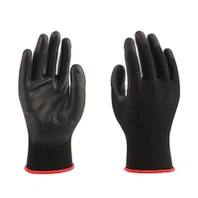
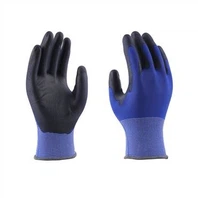
Hey there! As a supplier of Foam Nitrile Coated Gloves, I often get asked if these gloves offer protection against solvents. It's a crucial question, especially for those working in industries where exposure to solvents is a daily reality. So, let's dive right in and explore this topic.
First off, let's understand what foam nitrile coated gloves are. These gloves typically have a base layer, which could be made of materials like nylon or spandex, and then they're coated with a layer of foam nitrile. The foam nitrile coating gives the gloves some unique properties. It's porous, which makes the gloves breathable, and it also provides a good grip, even when the gloves are wet.
Now, when it comes to solvent protection, it's not a one - size - fits - all answer. Different solvents have different chemical properties, and the effectiveness of foam nitrile coated gloves against them can vary.


Solvent Resistance Mechanisms
Foam nitrile is a synthetic rubber material. Its molecular structure plays a big role in how it interacts with solvents. When a solvent comes into contact with the glove, there are a few things that can happen.
Some solvents might be absorbed by the nitrile foam. If the absorption rate is slow and the glove can hold the solvent without allowing it to reach the skin for a reasonable amount of time, then the glove is providing protection. However, if the solvent is rapidly absorbed and penetrates through the glove to the skin, then the protection is compromised.
Another factor is permeation. Permeation is the process by which a chemical passes through a material on a molecular level. Foam nitrile has a certain resistance to permeation, but again, this depends on the type of solvent. Some solvents have small molecules that can more easily permeate through the nitrile foam, while larger - molecule solvents might have a harder time getting through.
Types of Solvents and Glove Protection
Let's take a look at some common types of solvents and how foam nitrile coated gloves fare against them.
Hydrocarbon Solvents
Hydrocarbon solvents, like gasoline, diesel, and toluene, are widely used in industries such as automotive, manufacturing, and painting. Foam nitrile coated gloves can offer a decent level of protection against these solvents. The nitrile material has some resistance to hydrocarbon penetration. For example, our 13 Gauge Foam Nitrile Coated Gloves have been tested in environments where workers are exposed to gasoline. In many cases, they can prevent the solvent from reaching the skin for a significant period, allowing workers to complete their tasks without direct exposure.
However, prolonged exposure to hydrocarbon solvents can still cause the nitrile foam to swell and eventually break down. If you're working in an environment where you'll be constantly handling these solvents, it's important to regularly inspect the gloves for signs of damage and replace them as needed.
Alcohol - based Solvents
Alcohol - based solvents, such as ethanol and isopropyl alcohol, are commonly used in cleaning, disinfecting, and pharmaceutical industries. Foam nitrile coated gloves generally provide good protection against these solvents. The nitrile material doesn't react strongly with alcohols, and the foam structure can act as a barrier to prevent the alcohol from reaching the skin. Our Gray Nylon With Spandex Micro Foam Nitrile Coated Gloves are a great choice for tasks involving alcohol - based solvents. They offer a comfortable fit and reliable protection.
Halogenated Solvents
Halogenated solvents, like trichloroethylene and perchloroethylene, are more aggressive. These solvents can quickly penetrate through some types of nitrile gloves. While foam nitrile coated gloves do offer some level of protection, they may not be suitable for long - term or high - concentration exposure to halogenated solvents. In such cases, it might be necessary to use gloves made from more specialized materials or to take additional safety precautions, like using a double - glove system.
Factors Affecting Solvent Protection
Apart from the type of solvent, there are other factors that can affect how well foam nitrile coated gloves protect against solvents.
Glove Thickness
Thicker gloves generally offer better protection against solvents. A thicker layer of nitrile foam means there's more material for the solvent to penetrate through, which can slow down the absorption and permeation process. Our Micro - foam Nitrile Gloves come in different thicknesses, and for applications where high - level solvent protection is required, choosing a thicker glove is a smart move.
Glove Condition
The condition of the glove is crucial. If the glove has any cuts, tears, or holes, then the solvent can easily bypass the nitrile foam and reach the skin. Workers should always inspect their gloves before use and replace any damaged ones immediately.
Exposure Time
The longer the gloves are exposed to the solvent, the more likely it is that the solvent will penetrate through. In some cases, short - term exposure to a solvent might be okay with foam nitrile coated gloves, but for extended periods of exposure, additional protection or more frequent glove changes may be necessary.
Testing and Certification
To ensure that our foam nitrile coated gloves offer reliable protection against solvents, we conduct a series of tests. These tests are designed to measure the glove's resistance to different solvents in terms of absorption, permeation, and degradation.
We also follow industry standards and regulations. For example, in the United States, the Occupational Safety and Health Administration (OSHA) has guidelines regarding personal protective equipment, including gloves. Our gloves are tested to meet or exceed these standards, giving our customers peace of mind when it comes to safety.
Conclusion
So, do foam nitrile coated gloves offer protection against solvents? The answer is yes, but with some caveats. They can provide effective protection against many common solvents, especially when used correctly and under the right conditions. However, it's important to consider the type of solvent, glove thickness, condition, and exposure time.
If you're in an industry where solvent exposure is a concern, I encourage you to reach out to us. We can help you choose the right foam nitrile coated gloves for your specific needs. Whether you're working with hydrocarbon solvents in an automotive shop or alcohol - based solvents in a laboratory, we have a solution for you. Contact us to start a conversation about your glove requirements and let's find the best protection for your workforce.
References
- OSHA Guidelines on Personal Protective Equipment
- Industry - standard solvent resistance testing protocols for gloves
- Research studies on the interaction between nitrile materials and various solvents