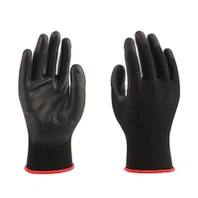
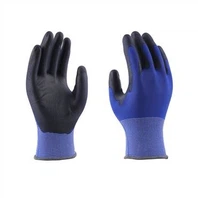
When it comes to handling corrosive materials, the choice of protective gloves is of utmost importance. As a supplier of Nitrile Foam Coated Gloves, I often receive inquiries about whether these gloves can be used for such demanding tasks. In this blog post, I will delve into the properties of nitrile foam coated gloves and analyze their suitability for handling corrosive materials.
Understanding Nitrile Foam Coated Gloves
Nitrile foam coated gloves are a type of protective handwear that combines the benefits of nitrile rubber and a foam coating. Nitrile is a synthetic rubber known for its excellent resistance to chemicals, punctures, and abrasions. The foam coating, on the other hand, provides enhanced grip, comfort, and breathability. These gloves are commonly used in various industries, including automotive, manufacturing, and chemical handling.
The unique structure of nitrile foam coated gloves consists of a knitted or woven liner that is coated with a layer of nitrile foam. The foam layer is porous, which allows for better air circulation and reduces sweating, making the gloves more comfortable to wear for extended periods. The nitrile coating provides a barrier against chemicals, preventing them from coming into contact with the skin.
Chemical Resistance of Nitrile Foam Coated Gloves
One of the key factors to consider when choosing gloves for handling corrosive materials is their chemical resistance. Different types of chemicals have different properties, and not all gloves are suitable for all chemicals. Nitrile foam coated gloves offer good resistance to a wide range of chemicals, including acids, bases, solvents, and oils.
However, it is important to note that the chemical resistance of nitrile foam coated gloves can vary depending on the specific formulation of the nitrile and the thickness of the coating. Some chemicals may penetrate the nitrile coating over time, especially if the gloves are exposed to high concentrations or for extended periods. Therefore, it is crucial to consult the glove manufacturer's chemical resistance chart to determine the suitability of the gloves for the specific chemicals you will be handling.
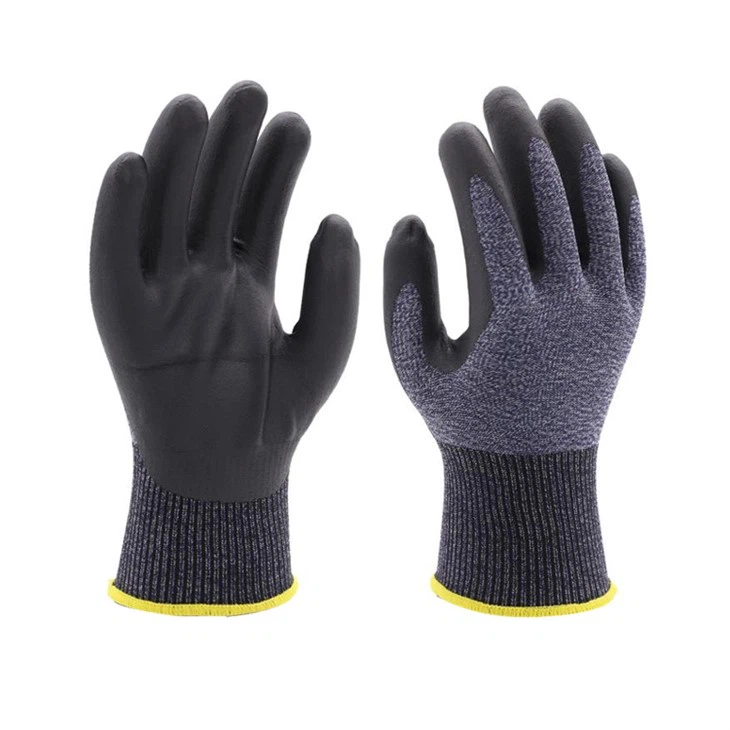

For example, our Microfoam Nitrile Coated Gloves are designed to provide excellent resistance to a variety of chemicals. They are tested against a range of common chemicals to ensure their effectiveness in protecting the hands. Our Water Flushed Microfoam Nitrile Coated Gloves are specifically formulated to provide enhanced protection against water-based chemicals, making them ideal for applications where water is present. And our 13 Gauge Foam Nitrile Coated Gloves offer a balance of dexterity and chemical resistance, making them suitable for tasks that require both precision and protection.
Limitations of Nitrile Foam Coated Gloves
While nitrile foam coated gloves offer good chemical resistance, they do have some limitations. For example, they may not be suitable for handling highly concentrated or aggressive chemicals, such as hydrofluoric acid or strong oxidizing agents. These chemicals can react with the nitrile rubber, causing it to degrade and lose its protective properties.
In addition, nitrile foam coated gloves may not provide adequate protection against certain types of physical hazards, such as sharp objects or extreme temperatures. If you are working with sharp objects, you may need to consider using gloves with a cut-resistant liner. If you are working in high-temperature environments, you may need to use gloves with heat-resistant properties.
Factors to Consider When Using Nitrile Foam Coated Gloves for Corrosive Materials
When using nitrile foam coated gloves for handling corrosive materials, there are several factors to consider to ensure their effectiveness and safety.
- Chemical Compatibility: As mentioned earlier, it is crucial to consult the glove manufacturer's chemical resistance chart to determine the suitability of the gloves for the specific chemicals you will be handling. Make sure to choose gloves that are specifically designed for the chemicals you are working with.
- Glove Size and Fit: Proper fit is essential for ensuring the effectiveness of the gloves. Gloves that are too large may not provide a secure fit, allowing chemicals to seep in. Gloves that are too small may restrict movement and cause discomfort, leading to reduced dexterity and increased risk of accidents. Make sure to choose gloves that fit properly and provide a snug but comfortable fit.
- Inspection and Maintenance: Before using the gloves, inspect them for any signs of damage or wear. Check for holes, tears, or punctures, and replace the gloves if necessary. After use, wash the gloves thoroughly with soap and water to remove any chemicals that may have accumulated on the surface. Allow the gloves to dry completely before storing them.
- Training and Education: It is important to provide proper training and education to employees on the correct use and handling of nitrile foam coated gloves. Make sure they understand the potential hazards of the chemicals they are working with and the importance of using the appropriate protective equipment. Train them on how to inspect, put on, and take off the gloves correctly, as well as how to dispose of them safely.
Conclusion
In conclusion, nitrile foam coated gloves can be used for handling corrosive materials, but their suitability depends on several factors, including the specific chemicals being handled, the concentration and duration of exposure, and the physical hazards present in the work environment. While nitrile foam coated gloves offer good chemical resistance and comfort, they do have some limitations and may not be suitable for all applications.
As a supplier of Nitrile Foam Coated Gloves, we are committed to providing our customers with high-quality gloves that meet their specific needs. Our Microfoam Nitrile Coated Gloves, Water Flushed Microfoam Nitrile Coated Gloves, and 13 Gauge Foam Nitrile Coated Gloves are designed to provide excellent protection against a wide range of chemicals, while also offering comfort and dexterity.
If you are in need of nitrile foam coated gloves for handling corrosive materials, we encourage you to contact us to discuss your specific requirements. Our team of experts can help you choose the right gloves for your application and provide you with the information and support you need to ensure the safety and effectiveness of your protective equipment.
References
- "Chemical Resistance of Nitrile Gloves," Glove Manufacturers Association.
- "Guidelines for the Selection and Use of Chemical-Resistant Gloves," Occupational Safety and Health Administration (OSHA).
- "Nitrile Foam Coated Gloves: Properties and Applications," Journal of Protective Clothing.