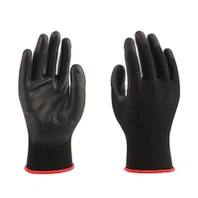
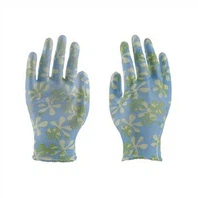
As a supplier of nitrile coated gloves, I often get asked about the suitability of our products for various applications. One question that has come up more frequently lately is whether nitrile coated gloves can be used for pottery. In this blog post, I'll explore the properties of nitrile coated gloves and discuss their potential use in the pottery industry.
Understanding Nitrile Coated Gloves
Nitrile coated gloves are a popular choice in many industries due to their excellent chemical resistance, durability, and grip. The nitrile coating is applied to a base glove, which is typically made of materials like cotton, polyester, or a blend of both. This combination provides a barrier between the wearer's hands and potentially harmful substances, while also offering a comfortable and flexible fit.
Chemical Resistance
One of the key advantages of nitrile coated gloves is their resistance to a wide range of chemicals. Nitrile is a synthetic rubber that is highly resistant to oils, greases, solvents, and many other chemicals. This makes nitrile coated gloves suitable for use in environments where exposure to chemicals is a concern, such as in the automotive, manufacturing, and chemical industries.
Durability
Nitrile coated gloves are known for their durability. The nitrile coating provides a tough outer layer that resists abrasion, punctures, and tears. This makes them ideal for tasks that require a high level of dexterity and protection, such as handling sharp objects or working with rough materials.
Grip
Another important feature of nitrile coated gloves is their excellent grip. The nitrile coating provides a textured surface that enhances the wearer's grip on objects, even when the hands are wet or oily. This is particularly important in industries where precision and control are essential, such as in the electronics and medical fields.
Pottery and the Need for Hand Protection
Pottery is a creative and rewarding craft that involves working with clay to create various objects, such as pots, bowls, and sculptures. While pottery is generally considered a safe activity, there are some potential hazards associated with working with clay and other materials used in the pottery process.
Chemical Exposure
Clay and glazes used in pottery often contain chemicals that can be harmful if they come into contact with the skin. Some of these chemicals include lead, cadmium, and silica, which can cause skin irritation, allergic reactions, and respiratory problems. Wearing gloves can help protect the hands from these chemicals and reduce the risk of exposure.
Abrasion and Injury
Working with clay can be a physically demanding activity that involves handling heavy objects and using tools. This can put the hands at risk of abrasions, cuts, and other injuries. Wearing gloves can provide an extra layer of protection and help prevent these types of injuries.
Hygiene
Pottery studios can be dirty environments, and there is a risk of contamination from bacteria and other microorganisms. Wearing gloves can help maintain good hygiene and prevent the spread of germs.
Can Nitrile Coated Gloves Be Used for Pottery?
Based on the properties of nitrile coated gloves and the needs of the pottery industry, it is clear that nitrile coated gloves can be a suitable choice for pottery. Here are some of the reasons why:
Chemical Resistance
Nitrile coated gloves offer excellent chemical resistance, which makes them suitable for protecting the hands from the chemicals found in clay and glazes. They can help prevent skin irritation and allergic reactions, as well as reduce the risk of long-term health problems associated with chemical exposure.
Durability
Pottery involves handling heavy objects and using tools, which can put a lot of stress on the gloves. Nitrile coated gloves are durable and can withstand the wear and tear of pottery work. They are resistant to abrasion, punctures, and tears, which means they can provide long-lasting protection.
Grip
Good grip is essential when working with clay, as it allows the potter to shape and manipulate the clay with precision. Nitrile coated gloves provide a textured surface that enhances the wearer's grip on objects, even when the hands are wet or oily. This can help improve the quality of the pottery and reduce the risk of accidents.
Comfort
Pottery work can be a time-consuming activity, and it is important to wear gloves that are comfortable to wear for extended periods of time. Nitrile coated gloves are designed to be flexible and breathable, which helps prevent sweating and discomfort. They also come in a variety of sizes and styles to ensure a proper fit.


Choosing the Right Nitrile Coated Gloves for Pottery
When choosing nitrile coated gloves for pottery, there are a few factors to consider:
Thickness
The thickness of the nitrile coating can affect the level of protection and dexterity. Thicker gloves provide more protection but may reduce dexterity, while thinner gloves offer better dexterity but may not provide as much protection. For pottery work, a medium-thickness glove is usually a good choice.
Texture
The texture of the nitrile coating can also affect the grip. Some gloves have a smooth texture, while others have a textured surface. A textured surface provides better grip, especially when working with wet or oily materials.
Length
The length of the gloves can also be important, especially if you are working with glazes or other chemicals that may splash onto your forearms. Longer gloves can provide additional protection.
Comfort
Comfort is key when choosing gloves for pottery work. Look for gloves that are made from breathable materials and have a comfortable fit. Some gloves also have features such as elastic cuffs or adjustable closures to help keep the gloves in place.
Our Nitrile Coated Gloves for Pottery
At our company, we offer a range of nitrile coated gloves that are suitable for pottery work. Our Microfoam Nitrile Gloves are designed with a microfoam nitrile coating that provides excellent grip and dexterity. They are also resistant to abrasion, punctures, and tears, making them ideal for pottery work.
Our Industrial Nitrile Gloves are another great option for pottery. They are made with a thick nitrile coating that provides superior protection against chemicals and other hazards. They also have a textured surface that enhances the grip, even when the hands are wet or oily.
Conclusion
In conclusion, nitrile coated gloves can be a suitable choice for pottery work. They offer excellent chemical resistance, durability, grip, and comfort, which makes them ideal for protecting the hands from the hazards associated with working with clay and other materials used in the pottery process. When choosing nitrile coated gloves for pottery, it is important to consider factors such as thickness, texture, length, and comfort. At our company, we offer a range of nitrile coated gloves that are designed to meet the needs of potters. If you are interested in learning more about our products or would like to discuss your specific requirements, please feel free to contact us. We would be happy to help you find the right gloves for your pottery work.
References
- ASTM International. (2023). Standard Test Methods for Resistance of Protective Clothing Materials to Permeation by Liquids and Gases. ASTM F739-12(2017).
- National Institute for Occupational Safety and Health (NIOSH). (2023). Chemical Resistance of Protective Clothing. NIOSH Publication No. 2005-151.
- Occupational Safety and Health Administration (OSHA). (2023). Personal Protective Equipment Standards. 29 CFR 1910.132.