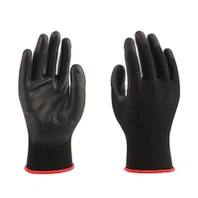
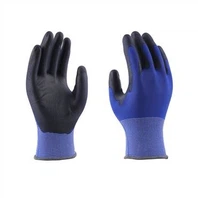
When it comes to wood carving, safety is paramount. One of the essential safety tools that often comes to mind is cut-resistant gloves. As a supplier of Latex Cut Resistant Gloves, I've received numerous inquiries about whether these gloves are suitable for wood carving. In this blog post, I'll delve into the characteristics of latex cut-resistant gloves and analyze their applicability in the wood carving process.
Understanding Latex Cut Resistant Gloves
Latex cut-resistant gloves are designed to protect the hands from cuts and abrasions. They typically consist of a base material that provides cut resistance, which is then coated with latex. The base material can vary, including high-performance fibers such as Kevlar or Spectra. These fibers are known for their excellent strength and cut resistance properties.
The latex coating on the gloves serves multiple purposes. Firstly, it provides a better grip. In many work environments, having a secure grip on tools is crucial for both safety and efficiency. The latex surface conforms to the shape of the tool, reducing the likelihood of the tool slipping out of the hand. Secondly, the latex coating can offer some level of protection against moisture, chemicals, and dirt.
The Demands of Wood Carving
Wood carving is a delicate and precise craft that requires a high level of control and dexterity. Carvers use a variety of tools, including knives, chisels, and gouges, to shape and sculpt wood. These tools have sharp edges that can cause serious cuts if not handled properly. Therefore, hand protection is essential.
In addition to cut protection, wood carving also demands good tactile sensitivity. Carvers need to feel the texture of the wood and the movement of the tool to create detailed and accurate designs. A glove that is too thick or rigid can impede this tactile feedback, making it difficult to achieve the desired results.
Advantages of Using Latex Cut Resistant Gloves in Wood Carving
Cut Protection
The primary advantage of using latex cut-resistant gloves in wood carving is, of course, the cut protection they offer. The high-strength fibers in the base material can withstand the sharp edges of carving tools, reducing the risk of serious injuries. This is especially important for beginners who may not have developed the same level of skill and control as experienced carvers.
Grip
The latex coating on the gloves provides an excellent grip on the carving tools. This is particularly beneficial when working with small or delicate tools that require a precise hold. A good grip can prevent the tool from slipping, which not only reduces the risk of injury but also improves the quality of the carving.
Moisture and Dirt Resistance
Wood carving can be a messy process, with sawdust, wood chips, and sometimes moisture from the wood itself. The latex coating on the gloves can act as a barrier, protecting the hands from these elements. This can help keep the hands clean and dry, reducing the risk of skin irritation and other problems.
Limitations of Using Latex Cut Resistant Gloves in Wood Carving
Tactile Sensitivity
One of the main limitations of latex cut-resistant gloves in wood carving is the potential reduction in tactile sensitivity. The combination of the base material and the latex coating can make the gloves thicker and less flexible than regular gloves. This can make it more difficult for carvers to feel the subtle changes in the wood's texture and the movement of the tool, which can affect the precision and quality of the carving.
Heat and Comfort
Latex is not a highly breathable material, and wearing latex cut-resistant gloves for an extended period can cause the hands to become hot and sweaty. This can be uncomfortable for the carver and may also affect their performance. Additionally, the tight fit of the gloves can sometimes cause pressure points, leading to further discomfort.
Choosing the Right Latex Cut Resistant Gloves for Wood Carving
If you decide to use latex cut-resistant gloves for wood carving, it's important to choose the right ones. Here are some factors to consider:
Cut Resistance Level
Gloves are rated according to their cut resistance level, which is determined by standardized testing methods. For wood carving, a glove with a moderate cut resistance level is usually sufficient. A higher level of cut resistance may come at the expense of tactile sensitivity and flexibility.
Fit
A proper fit is crucial for both comfort and performance. Gloves that are too loose may not provide adequate protection, while gloves that are too tight can restrict movement and cause discomfort. Make sure to measure your hands accurately and choose gloves that fit snugly but not too tightly.


Tactile Sensitivity
Look for gloves that are designed to provide good tactile sensitivity. Some gloves use thinner or more flexible materials to improve the feel of the hands. You may also want to consider gloves with a perforated latex coating, which can allow for better breathability and still provide a good grip.
Alternatives to Latex Cut Resistant Gloves for Wood Carving
If you find that latex cut-resistant gloves are not suitable for your wood carving needs, there are other alternatives available.
Leather Gloves
Leather gloves are a popular choice for wood carving. They offer good cut protection, are relatively breathable, and provide a natural feel. Leather gloves also conform to the shape of the hand over time, providing a comfortable and customized fit.
Cut Resistant Winter Gloves
For those who need additional protection in cold weather, cut resistant winter gloves can be a good option. These gloves are designed to provide both cut resistance and insulation, making them suitable for outdoor wood carving or working in cold environments.
Conclusion
In conclusion, latex cut-resistant gloves can be used for wood carving, but they have both advantages and limitations. They offer excellent cut protection, a good grip, and some level of moisture and dirt resistance. However, they may reduce tactile sensitivity and cause discomfort due to heat and tightness. When choosing gloves for wood carving, it's important to consider your specific needs and preferences, as well as the type of carving you'll be doing.
If you're interested in learning more about our Latex Cut Resistant Gloves or other safety products, please feel free to contact us for a detailed discussion and potential procurement. We're here to help you find the best solutions for your wood carving safety needs.
References
- ASTM International. (2018). Standard Test Method for Measuring Cut Resistance of Materials Used in Protective Clothing. ASTM F1790-18.
- European Committee for Standardization. (2016). Protective Gloves Against Mechanical Risks. EN 388:2016.