Can Latex Cut Resistant Gloves be used for laboratory work?


Hey there! I'm a supplier of Latex Cut Resistant Gloves, and I often get asked if these gloves are suitable for laboratory work. Well, let's dive right into it and find out.
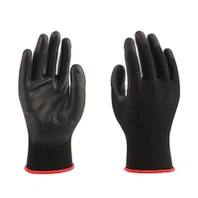
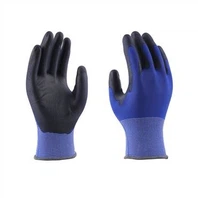
First off, let's talk about what latex cut resistant gloves are. These gloves are made with a base material that provides cut resistance, usually something like high - strength fibers. Then, they're coated with latex, which gives them a good grip and some level of protection against liquids.
In a laboratory setting, there are several factors to consider when choosing gloves. Safety is, of course, the top priority. You need gloves that can protect you from cuts, chemicals, and other potential hazards.
Cut Resistance
One of the main advantages of latex cut resistant gloves is, well, their cut resistance. In a lab, you might be handling sharp objects like glass pipettes, scalpels, or broken glass. Regular latex gloves, while great for some things, offer little to no protection against cuts. But latex cut resistant gloves are designed to withstand a certain level of force from sharp objects.
For example, if you accidentally drop a glass slide and it breaks, and you need to clean up the pieces, latex cut resistant gloves can prevent cuts on your hands. They're rated according to different cut - resistance levels, so you can choose the right level of protection based on the type of work you're doing in the lab.
Chemical Resistance
However, cut resistance isn't the only thing to think about in a lab. Chemical resistance is also crucial. Latex itself has some level of chemical resistance, but it's not universal. Different chemicals react differently with latex. For instance, some organic solvents can dissolve latex, leaving your hands exposed to the chemical.
If you're working with mild chemicals like water - based solutions or weak acids and bases, latex cut resistant gloves might work just fine. But if you're dealing with strong solvents, concentrated acids, or other highly reactive chemicals, you'll need to look for gloves with better chemical resistance. Some specialized gloves are made with materials that can handle a wider range of chemicals, but they might not have the same level of cut resistance as latex cut resistant gloves.
Comfort and Dexterity
Comfort and dexterity are important for any type of glove, especially in a laboratory. You need to be able to handle small objects, turn knobs, and perform delicate tasks with precision. Latex cut resistant gloves are generally more comfortable than some other heavy - duty cut - resistant gloves. The latex coating gives them a smooth surface, which makes it easier to grip objects.
However, compared to regular latex gloves, they might be a bit stiffer. This stiffness can affect your dexterity to some extent, especially when you need to perform very fine - motor tasks. But with a bit of practice, you can get used to them and still carry out most lab work effectively.
Allergies
Another thing to keep in mind is latex allergies. A significant number of people are allergic to latex. If you or someone in your lab has a latex allergy, using latex cut resistant gloves is out of the question. There are alternative materials available, such as nitrile or vinyl, which can provide similar levels of cut resistance without the risk of a latex allergy reaction.
Other Considerations in the Lab
In addition to cut, chemical, and allergy concerns, there are other aspects of laboratory work to consider. For example, some labs have strict hygiene requirements. Latex cut resistant gloves can be disposable, which is great for maintaining a clean and sterile environment. You can simply throw them away after use, reducing the risk of cross - contamination.
On the other hand, if you're working in a cold environment in the lab, like a cold storage room, you might be interested in Cut Resistant Winter Gloves. These gloves combine cut resistance with insulation to keep your hands warm while still protecting them from cuts.
Conclusion
So, can latex cut resistant gloves be used for laboratory work? The answer is: it depends. They're a great option for labs where cut protection is a concern and the chemicals being used are relatively mild. They offer a good balance between cut resistance, comfort, and dexterity.
But if you're working with highly reactive chemicals or if there are people with latex allergies in the lab, you'll need to explore other options. As a supplier, I'm always here to help you choose the right gloves for your specific laboratory needs.
If you're interested in learning more about our Latex Cut Resistant Gloves or have any questions about glove selection for your lab, don't hesitate to get in touch. We can discuss your requirements in detail and help you make the best decision for your workplace safety.
References
- ASTM International. (2023). Standards for glove performance and safety.
- Occupational Safety and Health Administration (OSHA). (2023). Guidelines for hand protection in the workplace.