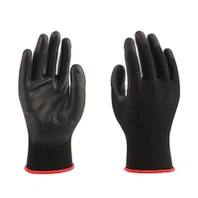
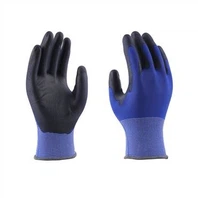
As a supplier of black PU gloves, I often get asked whether these gloves can be used in cold weather. This is a valid question, especially considering the diverse needs of our customers in different working environments and climates. In this blog, we'll explore the properties of black PU gloves and their suitability for cold - weather use.
Understanding Black PU Gloves
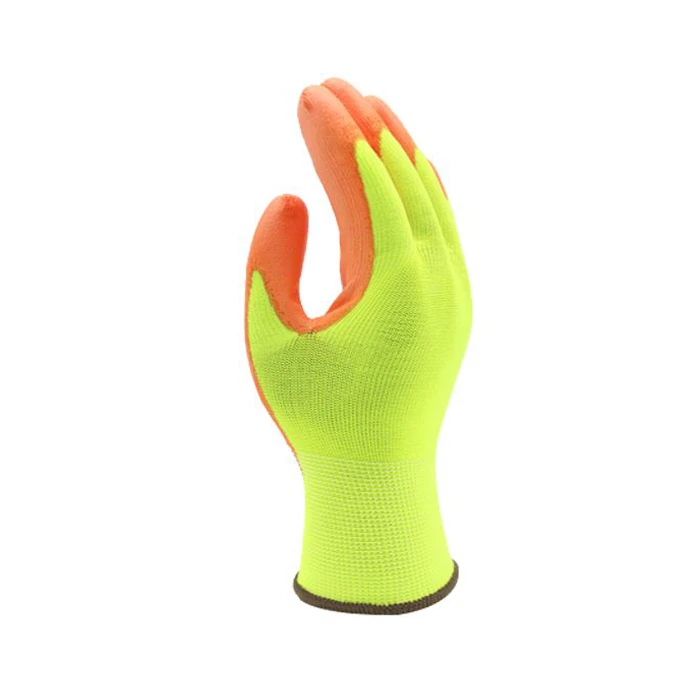
First, let's understand what black PU gloves are. PU stands for polyurethane, a type of polymer widely used in glove manufacturing due to its excellent properties. Polyurethane coating on gloves provides a range of benefits, including good abrasion resistance, grip, and flexibility. Our Polyurethane Coating Gloves PU For Safety Work and Pu Palm Coated Nylon Glove are prime examples of products that utilize the advantages of polyurethane coating.
The black color of these gloves, aside from being a popular aesthetic choice, may also have practical implications. Dark colors, like black, tend to absorb more heat from sunlight compared to lighter colors, which could potentially offer some warmth in cold outdoor conditions where sunlight is available. However, this is a relatively minor factor and should not be the sole consideration when evaluating the gloves' performance in cold weather.
Key Factors Affecting Cold - Weather Suitability
Insulation
One of the most critical factors for cold - weather gloves is insulation. Insulation helps to retain body heat and keep the hands warm. Traditional winter gloves are often filled with materials like wool, down feathers, or synthetic fibers designed to trap air, which is an excellent insulator.
Black PU gloves, on the other hand, are primarily designed for tasks that require good dexterity, grip, and protection in industrial or safety - work environments. While the base material of the glove and the polyurethane coating provide some level of protection, they usually do not offer the high - level insulation found in dedicated winter gloves. The thinness of the PU coating and the glove material is often optimized for comfort and flexibility during normal working conditions, not for extreme cold.
For example, in a construction site or a workshop, the constant movement of the hands during work can generate some heat. But in a static or low - activity situation in cold weather, such as waiting outside for a long time, the lack of insulation in black PU gloves may cause the hands to feel cold quickly.
Flexibility and Mobility
Another key aspect is flexibility and mobility. In many industrial applications, workers need to be able to perform precise tasks with their hands, such as handling small parts or operating machinery. Black PU gloves are well - known for their excellent flexibility, allowing workers to maintain a high level of dexterity.
In cold weather, however, the flexibility of the gloves can be affected. Polyurethane has a tendency to become stiffer at lower temperatures, which may reduce the range of motion of the fingers and hands. This stiffness can impact the worker's ability to perform tasks effectively and may also cause discomfort. But if your work involves short - term exposure to cold and requires a high degree of hand flexibility, black PU gloves can still be a viable option. For instance, in a refrigerated warehouse where workers are constantly moving and need to handle products quickly, the initial flexibility of the black PU gloves may be sufficient for short - term use.
Moisture Management
Moisture can be a major issue in cold weather. When hands sweat inside gloves, the moisture can freeze and make the hands feel even colder. Additionally, wet gloves can lose their insulating properties rapidly.
Black PU gloves generally have some level of water resistance due to the polyurethane coating. The PU Coating Gloves For Safety Work are designed to repel water to a certain extent, which helps to keep the hands dry in light rain or snow. However, if the gloves are exposed to prolonged wet conditions or submerged in water, the moisture may eventually seep through, especially at the seams or areas where the coating is worn.
In cold weather, proper moisture management is crucial. If the hands are kept dry, they are less likely to feel cold. Some black PU gloves may be treated with additional moisture - wicking materials on the inside to help draw sweat away from the skin, but this feature is not always present in all models.
Situations Where Black PU Gloves Can Be Used in Cold Weather
There are certain situations where black PU gloves can be a suitable choice in cold weather.
Short - term Exposure
If the exposure to cold is short - term, such as quick trips outdoors to move equipment or perform a brief inspection, black PU gloves can provide a good balance of protection and dexterity. The gloves' ability to resist abrasion and offer a good grip can be useful in these situations. For example, a maintenance worker who needs to quickly check on an outdoor unit may find that black PU gloves are sufficient to protect their hands from cold air and any sharp edges or rough surfaces they may encounter.
Indoor - Outdoor Transitions
In workplaces where there are frequent transitions between indoor and outdoor environments, black PU gloves can be a practical option. Workers may not need the heavy - duty insulation of winter gloves when they are inside, but still need some protection when they step outside briefly. The flexibility of black PU gloves allows for easy movement both indoors and outdoors, and their relatively lightweight nature makes them comfortable for extended wear.
Warm - Up Layers
Black PU gloves can also be used as a warm - up layer under heavier winter gloves. If you know you'll be exposed to cold weather for a longer period but still need the dexterity provided by PU gloves for certain tasks, you can wear them underneath insulated gloves. This way, you can take off the outer layer when you need to perform detailed work and still have some protection from the black PU gloves.
Improving Cold - Weather Performance
If you plan to use black PU gloves in cold weather, there are several ways to improve their performance.
Adding Insulation
You can wear a thin, insulating liner inside the black PU gloves. There are many types of liner gloves available, such as fleece or wool liners. These liners can add an extra layer of warmth without significantly reducing the dexterity of the hands.
Proper Storage
Before using the gloves in cold weather, store them in a warm place. Cold gloves can transfer the cold to your hands immediately, so keeping them at a comfortable temperature until just before use can help.
Conclusion
In summary, black PU gloves can be used in cold weather in certain situations, but they have limitations. Their primary design focus is on providing protection, grip, and dexterity in industrial and safety - work environments, rather than on extreme cold - weather insulation.
If you are considering using black PU gloves in cold weather for your work or other activities, carefully assess your needs based on the duration and intensity of cold exposure, the amount of hand movement required, and the level of moisture in the environment. As a black PU glove supplier, we are dedicated to providing high - quality products and helping our customers make the best choices for their specific situations.

If you have any questions about our black PU gloves or are interested in purchasing them, please feel free to contact us for further discussion and procurement negotiations. We look forward to working with you to meet your glove requirements.
References
- Smith, J. (2020). Industrial Glove Materials and Their Applications. Journal of Industrial Safety.
- Brown, A. (2021). Cold - Weather Protection for Workers' Hands. Occupational Health Review.