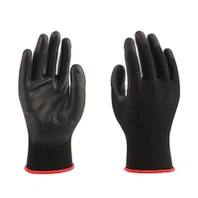
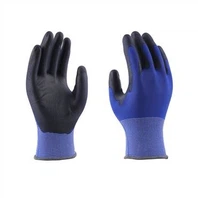
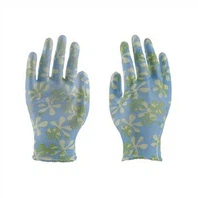
Hey there! As a supplier of Pu Palm Coated Nylon Gloves, I often get asked a bunch of questions about the products we offer. One of the most common queries is, "Are Pu Palm Coated Nylon Gloves resistant to acids?" Well, let's dig into this topic and find out.
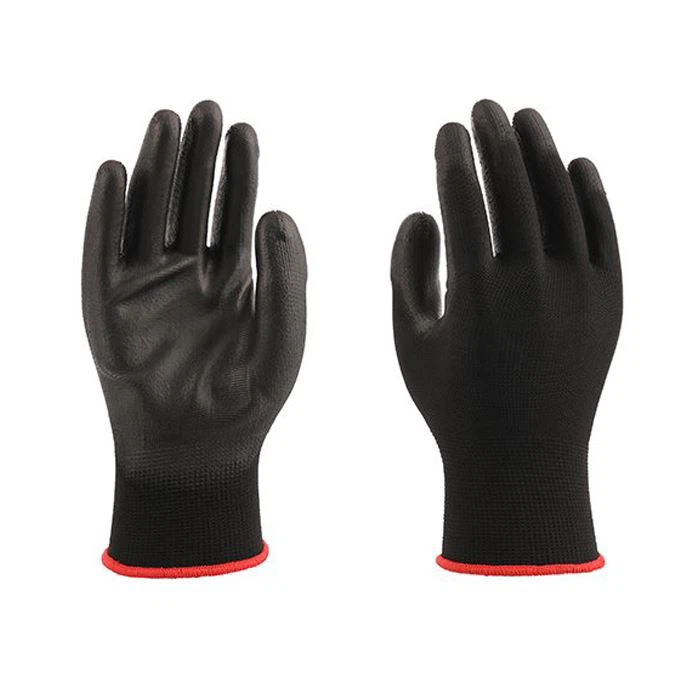
First off, let me give you a bit of background on Pu Palm Coated Nylon Gloves. These gloves are super popular in various industries. The nylon base provides flexibility and dexterity, which is crucial when you're handling small objects or doing detailed work. And the PU palm coating adds an extra layer of protection and grip. You can check out some of our great options like PU Coated Gloves - Black, PU Coating Gloves For Safety Work, and Black Coating PU Top Work Gloves.
Now, let's talk about acid resistance. Polyurethane (PU), which is the material used for the coating, has some level of chemical resistance. But when it comes to acids, it's not a one - size - fits - all situation. Different types of acids have different properties, and the gloves' resistance can vary accordingly.
Weak acids, like acetic acid (the main component in vinegar), usually don't pose a huge threat to Pu Palm Coated Nylon Gloves. The PU coating can withstand short - term exposure to these mild acids without significant damage. For example, in a food processing environment where you might be dealing with vinegar or citric acid, these gloves can do a pretty good job of protecting your hands.
However, things get a lot more complicated when we're talking about strong acids. Sulfuric acid, hydrochloric acid, and nitric acid are extremely corrosive. These acids can react with the PU coating and break down its molecular structure over time. Prolonged exposure to strong acids can cause the coating to swell, crack, or even dissolve. If the coating gets damaged, the underlying nylon fabric is then at risk, and your hands are no longer properly protected.
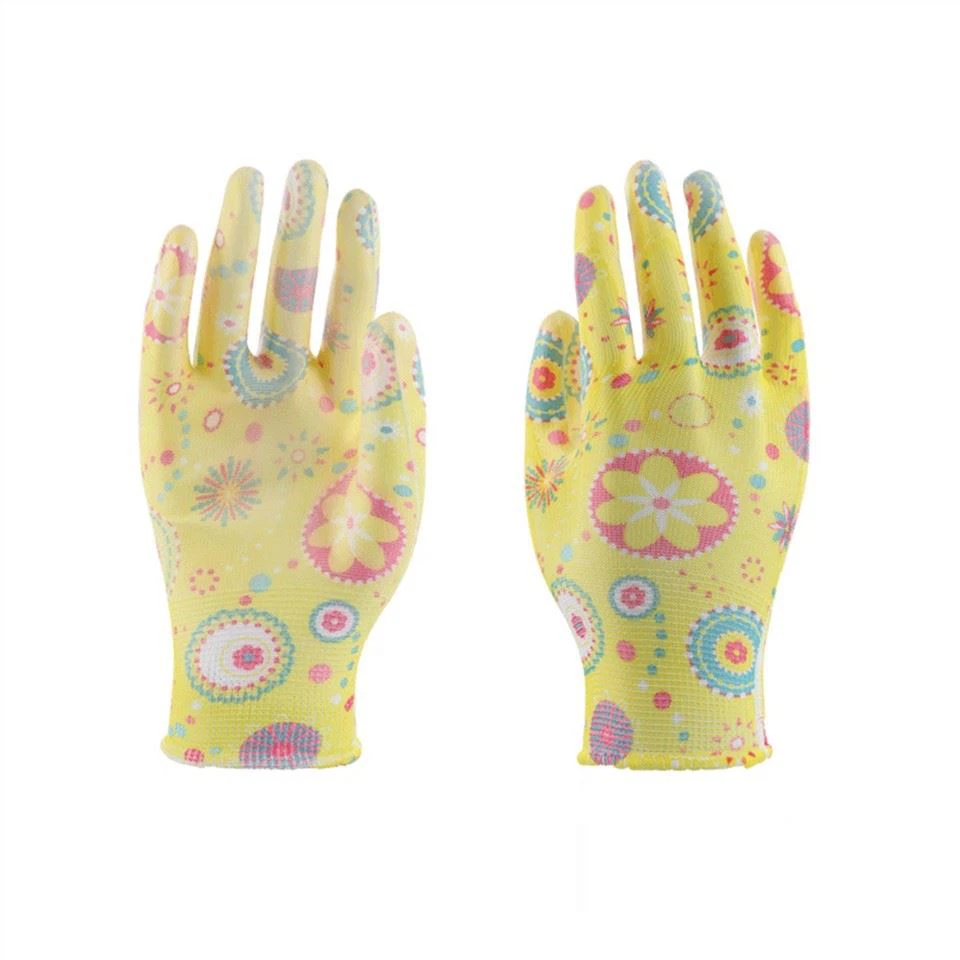
The concentration of the acid also plays a big role. Even a weak acid can cause problems if it's in a high - concentration solution. And the temperature of the acid solution matters too. Higher temperatures can speed up chemical reactions, so a warm acid solution might damage the gloves faster than a cold one.
To figure out if our Pu Palm Coated Nylon Gloves are suitable for a specific acid - handling task, we need to look at the chemical compatibility chart. This chart lists different chemicals and how they interact with various glove materials. It's a really useful tool, but it's not always 100% accurate because real - world conditions can be more complex than what's on paper.
In some industries, like laboratories or chemical manufacturing, workers often need to wear gloves specifically designed for acid resistance. These gloves are usually made from materials like neoprene, nitrile, or butyl rubber, which are known for their excellent acid - resistant properties. But for less - extreme acid - handling situations, our Pu Palm Coated Nylon Gloves can be a cost - effective alternative.
Another factor to consider is the duration of exposure. If you're only going to be in contact with an acid for a short time, like quickly dipping your hand into an acid solution for a sample, our gloves might be okay. But if you're going to be working with acids for hours on end, you'll probably need something more heavy - duty.
It's also important to inspect the gloves regularly when working with acids. Look for any signs of damage, such as discoloration, softening, or cracking. If you notice any of these issues, it's time to replace the gloves immediately.
So, to sum it up, Pu Palm Coated Nylon Gloves have some level of acid resistance, especially against weak acids and short - term exposure. But they're not the best choice for handling strong acids or long - term acid contact.
If you're in an industry where you need to handle acids and you're not sure if our gloves are right for you, don't hesitate to reach out. We can help you figure out the best solution for your specific needs. Whether you're in a light - duty acid - handling job or just need a reliable pair of gloves for general work, we've got a wide range of options to choose from. Let's have a chat and see how we can work together to keep your hands safe.
References:
- "Hand Protection: Selection and Use" by the Occupational Safety and Health Administration (OSHA)
- Chemical Compatibility Charts from major glove manufacturers