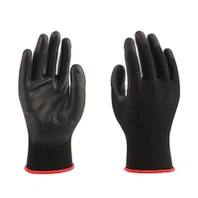
PU palm coated gloves have gained significant popularity in various industries due to their unique combination of features. As a supplier of these gloves, I have had the opportunity to witness firsthand the benefits they offer, such as excellent grip, durability, and comfort. However, like any product, PU palm coated gloves also have their limitations. In this blog, I will explore some of these limitations to provide a comprehensive understanding for potential customers.
1. Limited Resistance to Harsh Chemicals
One of the primary limitations of PU palm coated gloves is their chemical resistance. While polyurethane (PU) coatings provide a good level of protection against general wear and tear, they may not be suitable for use in environments where exposure to harsh chemicals is common.
PU coatings can be damaged by certain solvents, acids, and alkalis. For example, strong organic solvents such as acetone, toluene, and xylene can cause the PU coating to swell, dissolve, or lose its integrity. This not only reduces the protective properties of the gloves but also compromises the overall durability. In industries such as chemical manufacturing, painting, and automotive repair, where workers are frequently exposed to a wide range of chemicals, alternative glove materials like nitrile or neoprene may be more appropriate.
2. Temperature Sensitivity
PU palm coated gloves are also sensitive to temperature variations. At high temperatures, the PU coating can become soft and sticky, which may affect the grip and dexterity of the wearer. Prolonged exposure to high heat can also cause the coating to degrade over time, reducing its protective capabilities.
On the other hand, in cold temperatures, the PU coating can become brittle and lose its flexibility. This makes the gloves less comfortable to wear and may increase the risk of tearing or cracking. For applications in extreme temperatures, such as foundries, freezers, or outdoor work in harsh climates, gloves with better temperature resistance, such as those made from aramid or leather, may be a better choice.

3. Abrasion Resistance in Extreme Conditions
Although PU palm coated gloves generally offer good abrasion resistance, they may not perform as well in extremely abrasive environments. In industries such as mining, construction, and metalworking, where workers are exposed to rough surfaces, sharp edges, and high levels of friction, the PU coating may wear out quickly.
The abrasion resistance of PU coatings depends on several factors, including the thickness of the coating, the quality of the PU material, and the type of work being performed. In some cases, multiple layers of coating or additional reinforcement may be required to enhance the abrasion resistance. However, this can also increase the cost and weight of the gloves, which may not be practical for all applications.
4. Cost Considerations
Compared to some other types of gloves, PU palm coated gloves can be relatively expensive. The cost of manufacturing PU coatings involves several factors, including the raw materials, the production process, and the quality control measures. Additionally, the cost of research and development to improve the performance of PU coatings can also contribute to the overall price.
For some businesses, especially those with large workforces or high glove consumption, the cost of PU palm coated gloves may be a significant factor. In such cases, companies may need to balance the benefits of using these gloves against the cost and consider alternative options that offer similar performance at a lower price.
5. Allergic Reactions
Although rare, some individuals may be allergic to the materials used in PU palm coated gloves. The polyurethane coating or the underlying glove material may contain chemicals or additives that can cause skin irritation, itching, or allergic reactions in sensitive individuals.
It is important for employers to provide proper information and training to workers about the potential risks of using PU gloves and to ensure that employees are aware of the symptoms of allergic reactions. In cases where workers experience skin problems, alternative glove materials should be considered.
Our Product Offerings and Solutions
Despite these limitations, PU palm coated gloves still have many advantages and are suitable for a wide range of applications. At our company, we offer a variety of PU palm coated gloves to meet different customer needs.
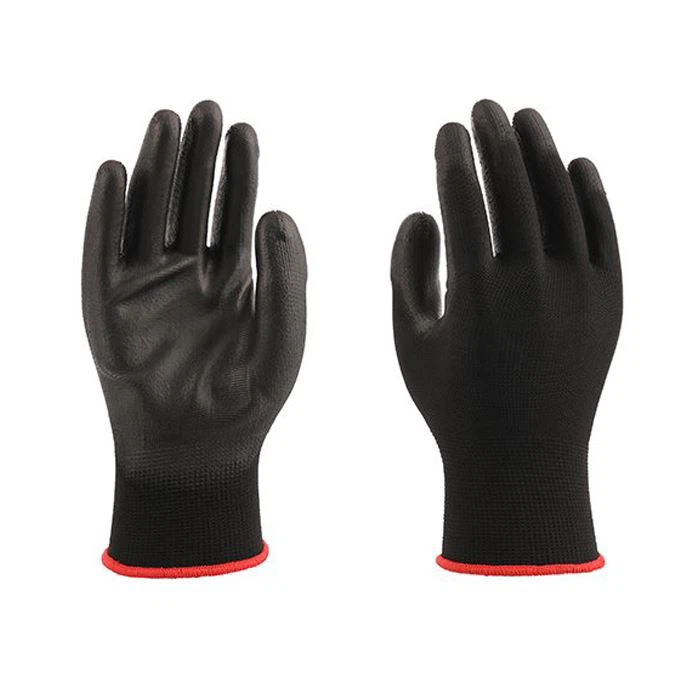
Our Black Coating PU Top Work Gloves are designed for general work applications, providing a good balance of grip, durability, and comfort. The black coating not only looks professional but also offers additional protection against dirt and stains.
For safety work, our Polyurethane Coating Gloves PU For Safety Work are specifically engineered to meet the highest safety standards. These gloves offer excellent grip in wet and dry conditions, making them ideal for use in industries such as construction, logistics, and warehousing.
We also offer PU Coated Gloves - Black with different levels of coating thickness and performance. Whether you need gloves for light-duty tasks or heavy-duty work, we have the right solution for you.
Contact Us for Purchase and Consultation
If you are interested in learning more about our PU palm coated gloves or have any questions about their limitations and suitability for your specific application, please do not hesitate to contact us. Our team of experts is always ready to provide you with detailed information and help you make the right choice. We can also offer customized solutions based on your unique requirements.
In conclusion, while PU palm coated gloves have some limitations, they remain a popular choice for many industries due to their numerous benefits. By understanding these limitations and working with a reliable supplier, you can ensure that you select the right gloves for your needs and maximize the safety and productivity of your workforce.
References
- ASTM International. (2023). Standard Test Methods for Resistance of Protective Clothing Materials to Permeation by Liquids and Gases.
- Occupational Safety and Health Administration (OSHA). (2023). Personal Protective Equipment Standards.
- European Committee for Standardization (CEN). (2023). EN 388:2016 Protective Gloves Against Mechanical Risks.