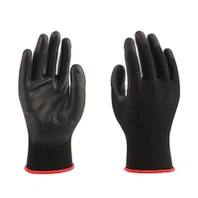
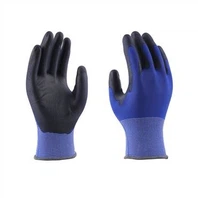
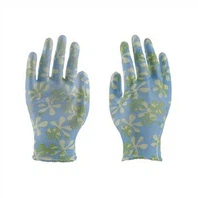
In the realm of personal protective equipment (PPE), gloves play a crucial role in safeguarding hands from various hazards. Among the diverse types of gloves available, foam nitrile coated gloves have gained significant popularity due to their excellent grip, dexterity, and resistance to chemicals. However, a common question that often arises is whether these gloves are heat-resistant. As a leading supplier of foam nitrile coated gloves, I aim to provide a comprehensive answer to this question and shed light on the heat resistance properties of our products.
Understanding Foam Nitrile Coated Gloves
Before delving into the heat resistance aspect, it is essential to understand what foam nitrile coated gloves are. These gloves are typically made of a knitted or woven liner, which provides comfort and flexibility, and a foam nitrile coating on the palm and fingers. The foam nitrile coating is a porous material that offers enhanced grip, even in wet or oily conditions. It also provides protection against a wide range of chemicals, including oils, solvents, and acids.
Our company offers a variety of foam nitrile coated gloves, including Microfoam Nitrile Coated Gloves Water Flushed, Micro-foam Nitrile Gloves, and 13 Gauge Foam Nitrile Coated Gloves. Each type of glove is designed to meet specific requirements and applications, ensuring that our customers can find the perfect glove for their needs.
Heat Resistance of Foam Nitrile Coated Gloves
Foam nitrile coated gloves are not inherently heat-resistant. Nitrile rubber, the primary material used in the coating, has a relatively low melting point compared to other heat-resistant materials such as silicone or Kevlar. When exposed to high temperatures, nitrile rubber can start to soften, melt, or even catch fire.


However, the heat resistance of foam nitrile coated gloves can vary depending on several factors, including the thickness of the coating, the type of nitrile rubber used, and the presence of any additives or reinforcements. Thicker coatings generally provide better heat resistance than thinner ones, as they can absorb more heat before reaching their melting point. Some manufacturers may also use special formulations of nitrile rubber that have improved heat resistance properties.
In addition to the coating, the liner of the glove can also affect its heat resistance. Gloves with a heat-resistant liner, such as a Kevlar or Nomex liner, can provide additional protection against heat. These liners are designed to withstand high temperatures without melting or catching fire, which can help to prevent burns and other injuries.
Applications and Limitations
While foam nitrile coated gloves are not suitable for use in high-temperature environments, they can still provide some level of protection against moderate heat. For example, they can be used in applications where hands are exposed to hot surfaces or objects for short periods of time, such as handling hot parts in a manufacturing process or working with hot liquids in a laboratory.
It is important to note that the heat resistance of foam nitrile coated gloves is limited, and they should not be used in situations where there is a risk of direct contact with flames or extremely high temperatures. In these cases, specialized heat-resistant gloves, such as those made of silicone or Kevlar, should be used instead.
Safety Considerations
When using foam nitrile coated gloves in any application, it is important to follow proper safety procedures to minimize the risk of injury. Here are some safety considerations to keep in mind:
- Read the manufacturer's instructions: Before using any type of glove, it is important to read the manufacturer's instructions carefully. This will provide you with information on the glove's intended use, limitations, and proper care and maintenance.
- Inspect the gloves before use: Before putting on the gloves, inspect them for any signs of damage or wear. If the gloves are torn, punctured, or have any other defects, do not use them.
- Use the appropriate gloves for the task: Make sure you are using the right type of gloves for the specific task you are performing. If you are working with heat, choose gloves that are specifically designed for heat resistance.
- Limit exposure time: Even if the gloves are rated for heat resistance, it is important to limit your exposure time to high temperatures. Prolonged exposure to heat can cause the gloves to degrade and lose their effectiveness.
- Remove the gloves immediately if they become hot: If the gloves start to feel hot or uncomfortable, remove them immediately. Continuing to wear hot gloves can cause burns and other injuries.
Conclusion
In conclusion, foam nitrile coated gloves are not heat-resistant in the traditional sense. While they can provide some level of protection against moderate heat, they should not be used in situations where there is a risk of direct contact with flames or extremely high temperatures. As a supplier of foam nitrile coated gloves, we recommend that our customers choose the appropriate gloves for their specific needs and follow proper safety procedures to minimize the risk of injury.
If you are in the market for foam nitrile coated gloves or have any questions about their heat resistance properties, please do not hesitate to contact us. Our team of experts is available to provide you with more information and help you find the perfect gloves for your application. We look forward to working with you and helping you protect your hands from harm.
References
- ASTM International. (2021). Standard Test Methods for Determining the Thermal Resistance of Hand Protection. ASTM F1060.
- Occupational Safety and Health Administration (OSHA). (2021). Personal Protective Equipment. 29 CFR 1910.132.
- National Institute for Occupational Safety and Health (NIOSH). (2021). Personal Protective Technology Branch.