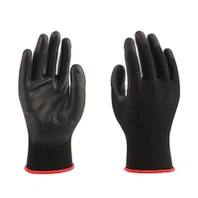
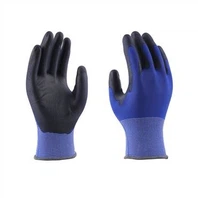
Hey there! As a supplier of PU Palm Coated Gloves, I often get asked about the weight of these gloves. It might seem like a small detail, but trust me, it can make a big difference in how the gloves perform and feel for the users.
First off, let's understand what PU Palm Coated Gloves are. These gloves have a coating of polyurethane (PU) on the palm area. The PU coating offers several benefits such as enhanced grip, abrasion resistance, and protection against some chemicals. You can check out some of our products like the Pu Palm Coated Nylon Glove, Black Coating PU Top Work Gloves, and Black PU Coated Gloves.
The weight of PU Palm Coated Gloves can vary quite a bit, and there are a few factors that contribute to this variation.
Factors Affecting the Weight
Material of the Base Glove
The base glove, which is the part that isn't coated with PU, can be made from different materials like nylon, polyester, or cotton. Nylon is a lightweight and strong material. Gloves with a nylon base are generally lighter compared to those with a cotton base. Cotton is a bit heavier and more absorbent. So, if you have a PU Palm Coated Glove with a cotton base, it's likely to weigh more. For example, a pair of our Pu Palm Coated Nylon Glove is relatively light because of the nylon base, making it great for tasks where you need to have quick hand movements without feeling weighed down.
Thickness of the PU Coating
The thickness of the polyurethane coating on the palm also plays a huge role in determining the weight. A thicker coating means more material, and thus, more weight. Thicker coatings are usually used for gloves that need to provide extra protection, like in heavy-duty industrial work. On the other hand, a thinner coating will result in a lighter glove. These thinner-coated gloves are suitable for tasks that don't require as much protection but still need a good grip, such as in some light assembly work. Our Black Coating PU Top Work Gloves come in different coating thicknesses, allowing you to choose based on your specific needs.
Size of the Glove
Just like with any other type of glove, the size matters. Larger gloves will naturally weigh more than smaller ones because they require more material to make. Whether it's the base glove or the PU coating, a bigger glove will have more of both, increasing its overall weight. So, when you're considering the weight of the gloves, make sure to take the size into account.
Typical Weight Ranges
On average, a pair of lightweight PU Palm Coated Gloves can weigh anywhere from 30 to 50 grams. These are usually the ones with a thin PU coating and a lightweight base material like nylon. They're perfect for jobs where you need to be very dexterous and have a light touch, such as in electronics assembly or some types of laboratory work.
For medium-weight gloves, the weight can range from 50 to 80 grams. These gloves often have a slightly thicker PU coating and might be made with a blend of materials or a base material that's a bit heavier than pure nylon. They're suitable for a wide range of general industrial tasks, like handling small parts or doing some light maintenance work.
Heavy-duty PU Palm Coated Gloves can weigh over 80 grams. These gloves have a thick PU coating and are designed to withstand a lot of wear and tear. They're used in industries like construction, mining, or heavy machinery operation, where workers need maximum protection and a strong grip.
Why Does the Weight Matter?
Comfort
The weight of the gloves directly affects how comfortable they are to wear. If the gloves are too heavy, they can cause fatigue in your hands over time. You'll start to feel tired and might even have trouble performing tasks accurately. On the other hand, lightweight gloves allow you to move your hands freely and comfortably, reducing the risk of fatigue. This is especially important for jobs that require long hours of hand use.
Dexterity
Dexterity refers to your ability to perform precise movements with your hands. Lightweight gloves don't restrict your hand movements as much as heavy ones do. When you're wearing light gloves, you can pick up small objects, operate delicate machinery, or perform detailed tasks more easily. For example, in a job where you need to assemble tiny components, a light pair of Pu Palm Coated Nylon Glove will give you the dexterity you need.
Performance
The weight can also impact the performance of the gloves in terms of their protective capabilities. Heavy-duty, heavier gloves are better at protecting your hands from sharp objects, abrasions, and chemicals. However, if you're in a situation where you don't need that level of protection but still need a good grip, a lighter glove will be more suitable. You don't want to be wearing a heavy glove when a lighter one would do the job just as well, as it can slow you down.
Choosing the Right Weight for Your Needs
When you're looking to buy PU Palm Coated Gloves, it's important to think about the type of work you'll be doing. If you're in a job that requires a lot of fine motor skills and quick hand movements, go for lightweight gloves. But if you're dealing with heavy equipment, sharp tools, or harsh chemicals, you'll need the extra protection provided by heavier gloves.
Also, consider the duration of your work. If you're going to be wearing the gloves for long periods, comfort becomes even more crucial. A lightweight glove will help prevent hand fatigue and keep you productive throughout the day.


We offer a wide range of PU Palm Coated Gloves with different weights to meet your specific requirements. Whether you need a light, medium, or heavy-duty glove, we've got you covered.
Contact Us for Your Glove Needs
If you're interested in purchasing PU Palm Coated Gloves, we'd love to hear from you. We can help you choose the right weight and type of gloves for your work. Just reach out to us, and we'll be happy to assist you in finding the perfect gloves for your needs. Let's start a conversation about how we can provide you with high-quality gloves that meet your standards and budget.
References
- "Hand Protection Guide" - An industry - standard guide on hand protection products.
- "Materials Science in Glove Manufacturing" - A research paper on the materials used in glove production and their properties.