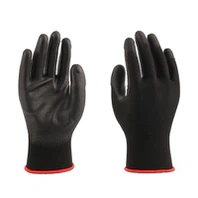
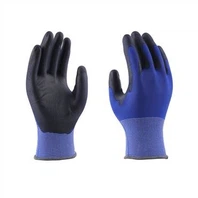
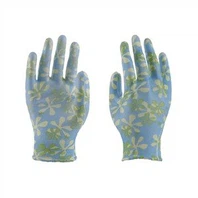
Hey there! As a supplier of PU Palm Coated Gloves, I often get asked about the water absorption rate of these gloves. It's a super important factor, especially for folks who use these gloves in wet or damp conditions. So, let's dive right in and explore what the water absorption rate of PU Palm Coated Gloves is all about.
First off, let's understand what PU (Polyurethane) is. PU is a type of polymer that's widely used in coating gloves because of its excellent properties. It's flexible, durable, and offers good grip. When it comes to water absorption, PU has some unique characteristics.
The water absorption rate of a material is basically how much water it can soak up. For PU Palm Coated Gloves, this rate can vary depending on a few factors. One of the main factors is the thickness of the PU coating. A thicker coating generally means less water absorption because it acts as a better barrier against water.
Another factor is the quality of the PU used. High - quality PU is formulated to have lower water absorption rates. It's designed to resist water penetration and keep the hands dry. Cheaper or lower - quality PU might absorb more water, which can lead to discomfort for the user and potentially reduce the lifespan of the gloves.
The fabric underneath the PU coating also plays a role. If the base fabric is made of a material that absorbs a lot of water, like cotton, it can increase the overall water absorption of the glove. On the other hand, synthetic fabrics such as polyester or nylon tend to have lower water absorption rates, which can help keep the gloves drier.
Now, let's talk about how we measure the water absorption rate of PU Palm Coated Gloves. There are standard testing methods for this. One common method is to soak a sample of the glove in water for a specific period of time, usually 24 hours. After that, we weigh the glove to see how much water it has absorbed. The increase in weight is then calculated as a percentage of the original weight of the glove.
For well - made PU Palm Coated Gloves, the water absorption rate is typically quite low. In most cases, it can be less than 5%. This means that for every 100 grams of the glove, it will absorb less than 5 grams of water in a 24 - hour soaking test. However, this can vary depending on the specific design and use of the gloves.
Let's take a look at some of our popular PU Palm Coated Gloves and how they perform in terms of water absorption.
Our 13G CARBON FIBER ANTI - STATIC PU COATED GLOVES are designed for industrial use, where workers might encounter some moisture. The high - quality PU coating on these gloves has a very low water absorption rate. The carbon fiber in the base fabric not only provides strength but also helps in reducing water absorption. These gloves are great for keeping hands dry even in slightly damp environments.
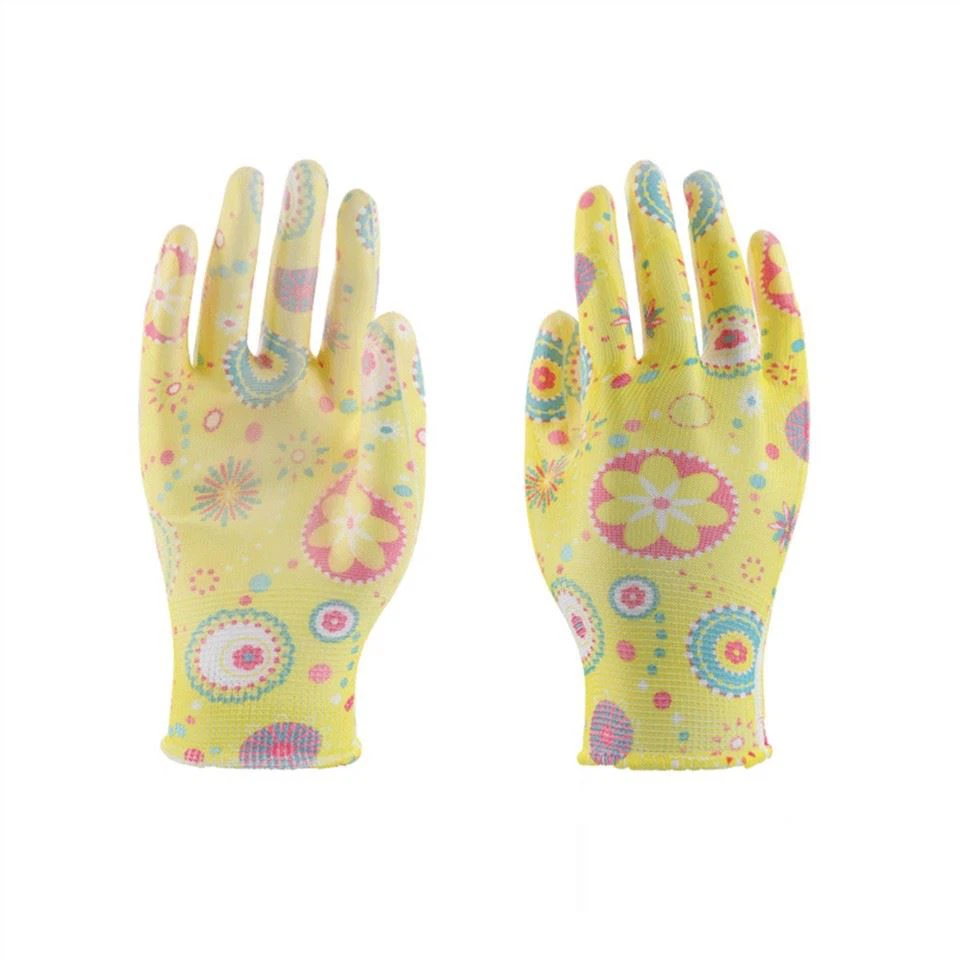

The Black Coating PU Top Work Gloves are another option. They have a sleek black PU coating that not only looks good but also offers excellent water resistance. The water absorption rate of these gloves is also very low, making them suitable for a variety of work conditions where water might be present.
If you're into gardening, our PU Gardening Gloves are a great choice. Gardening often involves working with wet soil and plants, so low water absorption is crucial. These gloves are made with a high - quality PU coating that keeps water out, allowing you to work in the garden without getting your hands wet.
The importance of low water absorption in PU Palm Coated Gloves can't be overstated. When gloves absorb a lot of water, they can become heavy and uncomfortable to wear. This can lead to reduced dexterity and productivity. Also, wet gloves can cause skin irritation and increase the risk of blisters.
In addition, water absorption can affect the performance of the gloves. For example, if the gloves absorb too much water, the grip provided by the PU coating can be reduced. This is especially dangerous in jobs where a good grip is essential, like construction or handling heavy machinery.
As a supplier, we take great care in ensuring that our PU Palm Coated Gloves have low water absorption rates. We source the best quality PU materials and use advanced manufacturing techniques to create gloves that offer excellent water resistance.
If you're in the market for PU Palm Coated Gloves, it's important to consider the water absorption rate. Look for gloves with a low rate, as this will ensure better comfort and performance. And if you have any questions about our products or their water absorption rates, don't hesitate to reach out.
We're always here to help you find the right gloves for your needs. Whether you're an industrial worker, a gardener, or someone who just needs a good pair of gloves for occasional use, we've got you covered.
So, if you're interested in purchasing our high - quality PU Palm Coated Gloves, just get in touch with us. We can have a chat about your specific requirements and help you choose the best gloves for your job. Let's work together to find the perfect gloves that will keep your hands dry and protected.
References:
- ASTM D570 - Standard Test Method for Water Absorption of Plastics
- ISO 62 - Plastics - Determination of water absorption