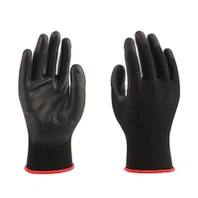
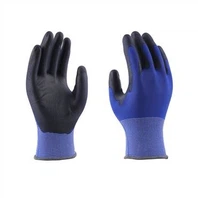
Hey there! As a supplier of Nitrile Foam Coated Gloves, I often get asked about the thickness of these bad boys. It's a pretty crucial factor, right? Because the thickness can really affect how the gloves perform in different situations. So, let's dive right in and find out what we're dealing with when it comes to the thickness of nitrile foam coated gloves.
First off, what is nitrile foam coating? Well, nitrile is a synthetic rubber that's known for being super durable, resistant to chemicals, and having great grip. When it's made into a foam coating for gloves, it adds a layer of comfort and flexibility on top of all those awesome properties. The foam structure gives it a bit of a cushy feel, which is great for long - term use.
Now, onto the thickness. The thickness of nitrile foam coated gloves can vary quite a bit depending on the intended use. For general light - duty work, you'll usually find gloves with a relatively thin nitrile foam coating. These could be around 0.2 - 0.3 millimeters thick. Gloves in this thickness range are great for things like handling small parts in an electronics assembly line. They provide enough protection from minor abrasions and some chemicals, but they're thin enough that you still have excellent dexterity. You can pick up those tiny screws and buttons with ease, almost like you're not wearing gloves at all.
If you click on this link: Micro-foam Nitrile Gloves, you'll see some products that might fall into this light - duty category. These gloves are designed to give you that balance between protection and the ability to perform delicate tasks.


On the other hand, for more heavy - duty applications, the thickness of the nitrile foam coating can go up to 0.5 - 0.6 millimeters or even more. In industries like construction or automotive repair, where you're dealing with rough surfaces, sharp objects, and harsh chemicals, you need a thicker coating. A thicker nitrile foam layer can better withstand the wear and tear. It offers more protection against cuts, punctures, and chemical splashes. For example, if you're working on an engine and need to handle greasy parts or come into contact with some automotive fluids, a thicker - coated glove will keep your hands safe.
Take a look at Microfoam Nitrile Coated Gloves Water Flushed. Some of these gloves are made for heavy - duty jobs, and you'll notice that the thicker coating provides that extra level of security you need in a tough work environment.
How do we measure the thickness of these gloves? Well, it's not as simple as just grabbing a ruler. Specialized equipment is used, like micrometers. These tools can measure the thickness of the nitrile foam coating with high precision. It's important to get an accurate measurement because even a small difference in thickness can impact the performance of the gloves.
Another thing to consider is that the thickness of the glove isn't just about the nitrile foam coating. The base material of the glove also plays a role. Many nitrile foam coated gloves have a base made of materials like nylon or polyester. The combination of the base material and the nitrile foam coating determines the overall thickness and performance of the glove.
For instance, Gray Nylon With Spandex Micro Foam Nitrile Coated Gloves have a nylon base with spandex. This gives the glove some stretch and flexibility, which feel great on your hands. The micro - foam nitrile coating on top then adds the protection. Together, they create a glove with a unique balance of comfort and performance.
What are the advantages of different thicknesses? Thinner gloves, as I mentioned earlier, are all about dexterity. They're perfect for tasks where you need to use your fingers for fine - motor skills. You can type on a keyboard, sew, or do intricate assembly work without feeling like your hands are restricted. And because they're thinner, they're usually more breathable, which means your hands are less likely to get sweaty during long - term use.
Thicker gloves, on the other hand, are all about protection. They can stand up to the toughest jobs. If you're working in a hazardous environment where there's a risk of cuts, punctures, or chemical exposure, a thicker nitrile foam coated glove is your best bet. You can work with confidence, knowing that your hands are well - protected.
But it's not just about the thickness in isolation. The quality of the nitrile foam also matters. A high - quality nitrile foam coating will perform better, regardless of the thickness. It will have better chemical resistance, grip, and durability. At our company, we make sure to use top - notch materials to ensure that our gloves are of the highest quality.
So, how do you choose the right thickness for your needs? First, think about the type of work you'll be doing. Is it light - duty or heavy - duty? If it's light - duty, start with a thinner glove. You can always experiment and see if it provides enough protection. For heavy - duty work, go for a thicker glove right away.
Also, consider the frequency of use. If you're going to be wearing the gloves for long hours every day, comfort becomes a big factor. You might want to balance the thickness with the breathability and flexibility of the glove.
If you've got questions about which thickness is best for you, or if you're interested in our Nitrile Foam Coated Gloves, don't hesitate to reach out to us. We're here to help you make the right choice for your specific needs. We can guide you through our product range and find the perfect gloves for your job. Whether you're a small - business owner, a DIY enthusiast, or a large - scale industrial operation, we've got you covered.
In conclusion, the thickness of nitrile foam coated gloves plays a significant role in their performance. It ranges from thin for light - duty tasks with high dexterity to thick for heavy - duty protection. By understanding your work requirements and considering the pros and cons of different thicknesses, you can select the best gloves for your hands. So, get in touch with us and let's start a conversation about your glove needs.
References:
- General knowledge of nitrile foam coated gloves in the industrial safety and workwear field.
- Product specifications and research on nitrile foam coated gloves from the industry.