Hey there! As a supplier of Sandy Nitrile Gloves, I often get asked about the shelf life of these bad boys. So, I thought I'd sit down and write a blog post to clear up any confusion.
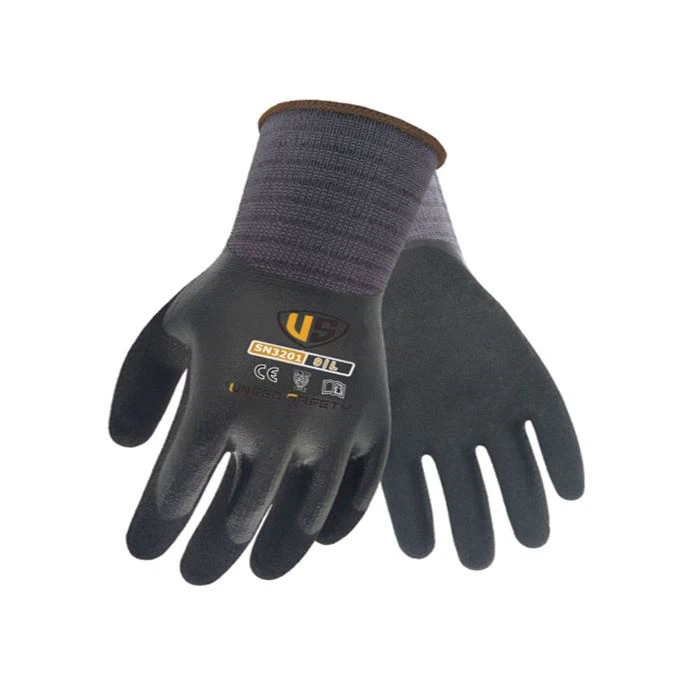

First off, let's talk about what Sandy Nitrile Gloves are. They're a type of work glove that's coated with a sandy nitrile material. This coating gives the gloves a rough texture, which provides excellent grip, even in wet or oily conditions. They're commonly used in industries like construction, manufacturing, and automotive, where workers need a reliable grip on tools and equipment.
Now, onto the main question: What's the shelf life of Sandy Nitrile Gloves? Well, the shelf life of these gloves can vary depending on a few factors.
Storage Conditions
One of the biggest factors that affects the shelf life of Sandy Nitrile Gloves is how they're stored. If you store them in a cool, dry place away from direct sunlight and heat sources, they can last for a long time. Ideally, the temperature should be between 50°F and 77°F (10°C and 25°C), and the relative humidity should be around 50%.
On the other hand, if you store the gloves in a hot, humid environment, or expose them to chemicals, ozone, or UV light, their shelf life will be significantly reduced. Heat and humidity can cause the nitrile material to break down over time, making the gloves brittle and less effective. Chemicals and ozone can also damage the nitrile coating, leading to premature degradation.
Quality of the Gloves
Another factor that affects the shelf life of Sandy Nitrile Gloves is the quality of the gloves themselves. Higher-quality gloves are typically made with better materials and manufacturing processes, which means they're more durable and have a longer shelf life.
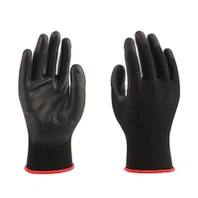
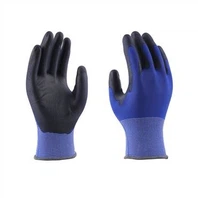
At our company, we take pride in offering high-quality Sandy Nitrile Gloves. We use only the best nitrile materials and state-of-the-art manufacturing techniques to ensure that our gloves are strong, reliable, and long-lasting. For example, our 13G Double Dipped Sandy Nitrile Coated Gloves are double-dipped in nitrile for extra durability and protection. And our Fully Nitrile Coated And Sandy Nitrile Palm Coated Gloves are designed to provide maximum grip and comfort.
Packaging
The packaging of the gloves also plays a role in their shelf life. Gloves that are packaged in airtight, sealed containers are better protected from the elements and are less likely to be exposed to moisture, dust, and other contaminants.
We package our Sandy Nitrile Gloves in high-quality, sealed bags to ensure that they stay fresh and in good condition until they're ready to be used. This helps to extend their shelf life and ensures that our customers receive gloves that are in top-notch quality.
General Shelf Life Estimates
So, how long can you expect Sandy Nitrile Gloves to last? In general, if stored properly, these gloves can have a shelf life of anywhere from 2 to 5 years. However, it's important to note that this is just an estimate, and the actual shelf life may vary depending on the factors mentioned above.
To get the most out of your Sandy Nitrile Gloves, it's a good idea to check the expiration date on the packaging. If the gloves are past their expiration date, it's best to replace them, as they may not provide the same level of protection and performance.
Signs of Degradation
Even if the gloves are within their shelf life, it's still important to inspect them regularly for signs of degradation. Some common signs that the gloves may be past their prime include:
- Brittleness: If the gloves feel stiff or brittle, it's a sign that the nitrile material is starting to break down.
- Cracking: Cracks in the nitrile coating can indicate that the gloves are no longer providing adequate protection.
- Discoloration: A change in color, such as yellowing or darkening, can be a sign of degradation.
- Loss of elasticity: If the gloves don't stretch or fit properly, it may be because the nitrile material has lost its elasticity.
If you notice any of these signs, it's time to replace the gloves. Using degraded gloves can put you at risk of injury and reduce the effectiveness of your work.
Conclusion
In conclusion, the shelf life of Sandy Nitrile Gloves can vary depending on storage conditions, the quality of the gloves, and the packaging. By storing the gloves in a cool, dry place, using high-quality gloves, and inspecting them regularly for signs of degradation, you can ensure that they last as long as possible.
If you're in the market for high-quality Sandy Nitrile Gloves, we've got you covered. We offer a wide range of Sandy Nitrile Black Gloves and other nitrile-coated gloves to meet your needs. Whether you're a construction worker, a mechanic, or someone who just needs a reliable pair of gloves for everyday use, we've got the perfect solution for you.
If you have any questions or would like to discuss your glove needs, feel free to reach out. We're always happy to help and look forward to the opportunity to work with you on your glove procurement.
References
- ASTM International. (2023). Standard Guide for Rubber Products - Evaluation of Ageing. ASTM D573.
- National Institute for Occupational Safety and Health (NIOSH). (2023). Personal Protective Equipment for Hazardous Chemicals.