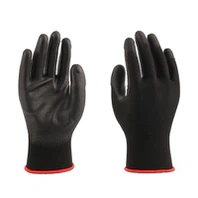
When it comes to safety work, white PU gloves have become an essential piece of equipment in many industries. As a supplier of white PU gloves, I often get asked about the quality standards for these gloves. In this blog post, I'll delve into the key quality criteria that define high - quality white PU gloves, providing valuable insights for both end - users and potential buyers.
Material Quality
The foundation of a good white PU glove lies in the materials used. The base glove, usually made of knitted fabric, should be of high - quality yarn. High - quality yarn ensures better strength, durability, and a comfortable fit. The yarn should be able to withstand friction and abrasion without easily fraying. A strong base fabric also provides a stable platform for the polyurethane (PU) coating.
The PU coating is another critical component. The PU used should be of industrial - grade quality. It needs to be resistant to chemicals, oils, and solvents commonly encountered in the workplace. For example, in the automotive industry, workers may come into contact with various lubricants and cleaning agents. A high - quality PU coating can protect the hands from these substances, preventing skin irritation and damage.
The adhesion of the PU coating to the base fabric is also crucial. Poor adhesion can lead to the coating peeling off, reducing the glove's protective capabilities. Reputable manufacturers use advanced bonding techniques to ensure a strong and long - lasting bond between the PU and the fabric. This is often achieved through a combination of proper surface treatment of the fabric and the use of high - performance adhesives.
Physical Performance
Tensile Strength
Tensile strength refers to the maximum amount of pulling force a glove can withstand before breaking. High - quality white PU gloves should have a sufficient tensile strength to endure the rigors of daily work. For instance, in construction or heavy - duty manufacturing, workers may need to handle heavy objects or perform tasks that involve a significant amount of pulling and tugging. Gloves with low tensile strength are more likely to tear, leaving the hands unprotected.
Abrasion Resistance
Abrasion resistance is a key factor, especially in industries where hands are constantly in contact with rough surfaces. White PU gloves should be able to resist wear and tear caused by rubbing against materials such as concrete, metal, or wood. A good abrasion - resistant glove can last longer, reducing the frequency of glove replacement and overall costs.
Puncture Resistance
In some work environments, there is a risk of sharp objects puncturing the gloves. High - quality white PU gloves are designed to provide a certain level of puncture resistance. This is important in fields like carpentry, where workers may handle nails and other sharp tools. A glove with good puncture resistance can prevent injuries such as cuts and puncture wounds.
Comfort and Fit
Comfort is not to be overlooked when it comes to white PU gloves. Workers are more likely to wear gloves consistently if they are comfortable. The gloves should have a proper fit, neither too tight nor too loose. A tight - fitting glove can restrict blood circulation, causing discomfort and fatigue. On the other hand, a loose glove may not provide adequate dexterity and can easily come off during work.
Many high - quality white PU gloves are designed with ergonomic shapes to follow the natural contours of the hand. This allows for a more comfortable grip and better control of tools and objects. Additionally, the gloves should have a soft inner lining to reduce irritation and sweating. Good ventilation is also important to keep the hands dry and comfortable during long - term use.
Chemical Resistance
As mentioned earlier, white PU gloves need to provide protection against various chemicals. Different industries have different chemical exposure risks. For example, in the chemical manufacturing industry, workers may be exposed to highly corrosive substances. Gloves should be tested and certified to resist specific chemicals relevant to the work environment.
Certifications such as EN 374 in Europe or ASTM D6978 in the United States provide standards for chemical resistance. These certifications ensure that the gloves have been tested under controlled conditions and meet specific performance criteria. When choosing white PU gloves, it's important to select gloves that are appropriate for the specific chemicals present in the workplace.
Hygiene and Cleanliness
In many industries, especially those in the food and healthcare sectors, hygiene is of utmost importance. White PU gloves should be easy to clean and maintain. They should be resistant to stains and able to withstand regular cleaning without losing their protective properties.
Some gloves are treated with antimicrobial agents to prevent the growth of bacteria and fungi. This is particularly important in environments where there is a high risk of contamination. For example, in food processing, gloves need to be clean to prevent the spread of food - borne illnesses.
Visual Appearance
While the visual appearance may not directly affect the glove's performance, it can still be an important factor. White PU gloves should have a uniform color and finish. Uneven coloring or visible defects can be a sign of poor manufacturing quality. A clean and professional - looking glove can also enhance the overall image of the workplace.
Meeting Industry Standards
Reputable white PU glove suppliers ensure that their products meet relevant industry standards. These standards are established to ensure the safety and quality of the gloves. For example, in the safety work industry, gloves may need to comply with safety regulations set by government agencies.
Compliance with standards also gives buyers confidence in the product. It indicates that the gloves have been tested and meet certain quality benchmarks. When purchasing white PU gloves, buyers should always look for gloves that are certified to meet the appropriate standards.

Our Product Range
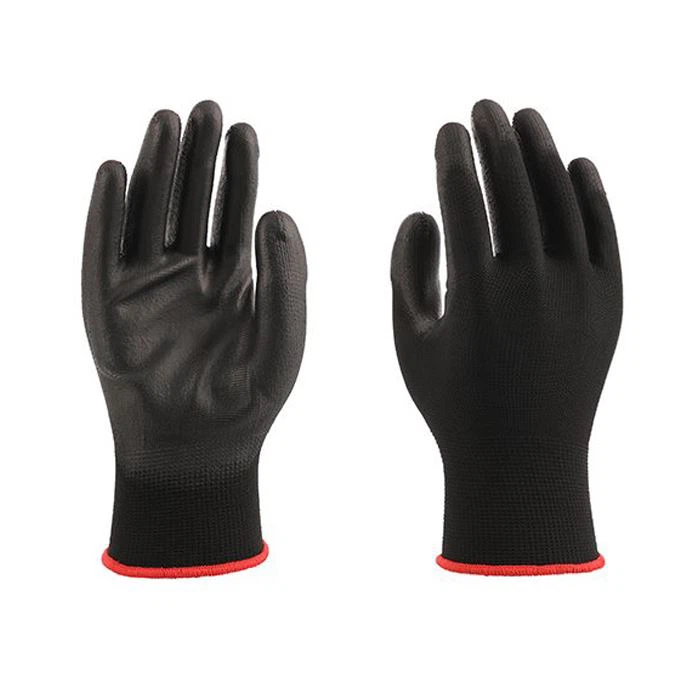
As a supplier of white PU gloves, we offer a wide range of products that meet the highest quality standards. Our Polyurethane Coating Gloves PU For Safety Work are designed for general safety work, providing excellent protection against abrasion and chemicals.
For those looking for a more stylish option, our Black Coating PU Top Work Gloves offer a combination of performance and aesthetics. And our PU Coated Gloves - Black are ideal for heavy - duty applications where maximum protection is required.
Contact Us for Procurement
If you're in the market for high - quality white PU gloves, we'd love to have a discussion with you. Whether you're a small business or a large corporation, we can provide the right gloves to meet your specific needs. Contact us to start a procurement discussion and find the perfect white PU gloves for your workforce.
References
- American Society for Testing and Materials (ASTM). ASTM D6978 - Standard Test Method for Permeation of Liquids and Gases through Protective Clothing Materials under Conditions of Continuous Contact.
- European Committee for Standardization (CEN). EN 374 - Protective gloves against chemicals and micro - organisms.
- International Organization for Standardization (ISO). ISO standards related to personal protective equipment.