In the realm of welding, where precision meets high - energy processes, the choice of welding gloves is a critical decision that can significantly impact performance. As a dedicated welding gloves supplier, I've witnessed firsthand how glove thickness plays a pivotal role in this specialized field. In this blog, we'll explore the multifaceted impact of glove thickness on welding performance, delving into aspects such as protection, dexterity, comfort, and overall efficiency.
Protection: The Primary Function of Welding Gloves
The fundamental purpose of welding gloves is to protect the welder's hands from the extreme conditions inherent in the welding process. Welding generates intense heat, sparks, and molten metal, all of which pose a severe threat to the skin. Glove thickness is directly related to the level of protection provided.
Thicker gloves generally offer better heat resistance. The additional layers of material act as a barrier, reducing the transfer of heat to the hand. For example, in heavy - duty welding applications like arc welding or submerged arc welding, where temperatures can reach extremely high levels, thick leather gloves are often the preferred choice. These gloves can withstand the heat for longer periods, safeguarding the welder from burns and other thermal injuries.
However, it's important to note that protection isn't just about heat resistance. Welding also produces sharp metal shards and flying debris, and a thicker glove can provide better puncture and abrasion resistance. A glove with a thick outer layer can prevent these sharp objects from piercing the glove and reaching the skin. For instance, our Yellow Leather Work Gloves are designed with thick, durable leather that offers excellent protection against both heat and physical damage.
Dexterity: The Trade - Off with Thickness
While thicker gloves offer enhanced protection, they often come at the cost of dexterity. Dexterity is crucial in welding, as welders need to manipulate small tools, control the welding torch precisely, and perform detailed tasks. A glove that is too thick can make these actions difficult, leading to a decrease in accuracy and productivity.
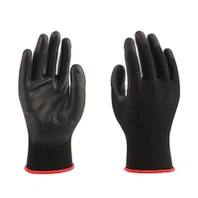
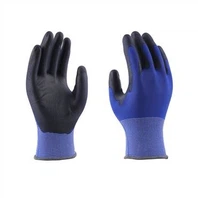
Thinner gloves, on the other hand, allow for greater flexibility and finer motor control. In applications where precision is key, such as TIG (Tungsten Inert Gas) welding or jewelry welding, thinner gloves are more suitable. These gloves enable the welder to feel the tools and materials better, making it easier to perform delicate welds. Our Nitrile Cut Resistant Gloves are relatively thinner compared to some of our heavy - duty leather gloves, offering a good balance between protection and dexterity for these types of applications.
Finding the right balance between protection and dexterity is a challenge for welders. It often depends on the specific welding task at hand. For general welding jobs that require a combination of protection and some level of dexterity, a medium - thickness glove might be the ideal choice.
Comfort: A Key Factor for Long - Term Performance
Comfort is another important aspect that is affected by glove thickness. Welding is often a time - consuming process, and if a welder is uncomfortable in their gloves, it can lead to fatigue and a decrease in performance over time.
Thicker gloves can be more cumbersome and restrictive, causing the hands to feel hot and sweaty. This can lead to discomfort and even skin irritation. To address this issue, some manufacturers, including us, use advanced materials and design features in thicker gloves. For example, we incorporate breathable linings and ergonomic designs to improve air circulation and reduce the feeling of confinement.


Thinner gloves, by nature, are generally more comfortable in terms of breathability and flexibility. They allow the hands to move more freely and are less likely to cause overheating. However, they may not provide the same level of protection for long - duration, high - heat welding jobs. Therefore, it's essential to consider the duration and intensity of the welding task when choosing the glove thickness for comfort.
Impact on Welding Efficiency
The choice of glove thickness can also have a significant impact on overall welding efficiency. A glove that provides the right balance of protection, dexterity, and comfort can enhance the welder's performance and productivity.
When a welder has a glove that offers sufficient protection, they can work with confidence, knowing that their hands are safe. This allows them to focus on the welding task at hand, resulting in better - quality welds. On the other hand, if the glove is too thin and doesn't provide adequate protection, the welder may be distracted by concerns about safety, which can slow down the work process.
Dexterity also plays a role in efficiency. A glove that allows for easy manipulation of tools and precise control of the welding process can speed up the work. Welders can complete tasks more quickly and accurately, reducing the overall time required for a project. Comfort is equally important, as a comfortable welder is less likely to take breaks due to discomfort, leading to a more continuous and efficient work flow.
Specialized Gloves for Different Welding Processes
Different welding processes have different requirements when it comes to glove thickness. For example, in MIG (Metal Inert Gas) welding, which is a popular and relatively fast - paced process, welders often need gloves that offer a good balance of protection and dexterity. Our Double Dipped Nitrile Coated Cut Resistant Gloves are well - suited for MIG welding. They provide a certain level of protection against heat and sparks, while still allowing for sufficient flexibility to handle the welding gun and other tools.
In oxy - fuel welding, where high temperatures are involved, thicker leather gloves are typically used. These gloves can withstand the intense heat generated by the flame and protect the hands from the hot metal being welded.
Conclusion
In conclusion, glove thickness has a profound impact on welding performance. It affects protection, dexterity, comfort, and overall efficiency. As a welding gloves supplier, we understand the importance of providing a wide range of glove thickness options to meet the diverse needs of welders.
When choosing welding gloves, welders should carefully consider the specific requirements of their welding process, including the level of heat, the need for dexterity, and the duration of the work. By selecting the right glove thickness, welders can ensure both their safety and optimal performance.
If you're in the market for high - quality welding gloves, we invite you to explore our extensive product range. We're committed to providing the best welding gloves that offer the perfect balance of protection, dexterity, and comfort. Contact us to discuss your specific needs and start a procurement negotiation. We look forward to serving you and helping you find the ideal welding gloves for your applications.
References
- American Welding Society. "Welding Safety Standards."
- Occupational Safety and Health Administration (OSHA). "Hand Protection in Welding."
- Various industry research reports on welding glove performance and user preferences.