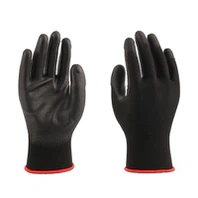
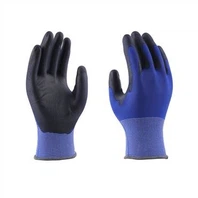
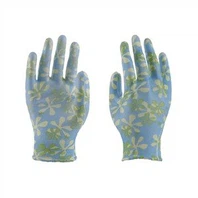
Hey there! As a supplier of White PU Gloves, I often get asked about the differences between white PU gloves and latex gloves. So, I thought I'd take a few minutes to break it down for you.
Let's start with the basics. Latex gloves have been around for ages. They're made from natural rubber latex, which is a milky fluid that comes from rubber trees. On the other hand, white PU gloves are coated with polyurethane (PU). The base material of these gloves can vary, like nylon or polyester, and then they get that special PU coating.

Material and Allergies
One of the biggest differences between the two is in terms of allergies. Latex contains proteins that can cause allergic reactions in some people. These reactions can range from mild skin irritation, like itching and redness, to more severe issues such as difficulty breathing and anaphylaxis. It's a real concern, especially in medical settings where people are in close contact with latex gloves all day.
White PU gloves, however, are a great alternative for those with latex allergies. Since they're coated with PU, they don't have those latex proteins. So, if you're allergic to latex but still need a good pair of gloves for work or other activities, white PU gloves are your go-to option.
Durability and Strength
When it comes to durability, both types of gloves have their pros and cons. Latex gloves are known for their elasticity. They can stretch a lot without tearing, which makes them great for tasks that require a lot of hand movement. But they're also more prone to punctures and tears, especially when dealing with sharp objects.
White PU gloves, on the other hand, are generally more resistant to punctures and abrasions. The PU coating adds an extra layer of protection, making them ideal for jobs that involve handling rough materials or sharp tools. For example, if you're working in construction or automotive repair, white PU gloves can give you that extra peace of mind that your hands are well - protected.
Comfort and Fit
Comfort is a big deal when you're wearing gloves for long periods. Latex gloves are usually very form - fitting. They mold to the shape of your hand, which can give you a high level of dexterity. This is why they're so popular in medical and laboratory settings, where precise movements are crucial.
White PU gloves also offer a good fit, but the fit can vary depending on the base material. Some white PU gloves made with nylon have a snug fit similar to latex, while others might be a bit looser. But the good thing about white PU gloves is that they often have a softer feel on the skin, which can be more comfortable for extended wear.
Chemical Resistance
Chemical resistance is another important factor, especially in industries where you're dealing with various chemicals. Latex gloves have some level of chemical resistance, but they're not suitable for all types of chemicals. For example, they can break down when exposed to certain solvents, oils, and acids.
White PU gloves, on the other hand, offer better chemical resistance in many cases. The PU coating acts as a barrier against a wider range of chemicals, making them a better choice for industries like chemical manufacturing, painting, and cleaning.
Cost
Cost is always a consideration. Latex gloves are generally cheaper to produce, so they're often more affordable for consumers. This is one of the reasons why they're so widely used in many industries.
White PU gloves, however, tend to be a bit more expensive. The cost of the PU coating and the sometimes more advanced base materials contribute to the higher price. But when you consider their durability, chemical resistance, and suitability for latex - allergic people, the extra cost can be well worth it.
Applications
Let's talk about where these gloves are used. Latex gloves are extremely popular in the medical field. Doctors, nurses, and other healthcare professionals use them for examinations, surgeries, and other procedures. They're also common in food handling, as they meet the hygiene standards required in the industry.
White PU gloves have a wide range of applications too. In the industrial sector, they're used in construction, manufacturing, and automotive repair. They're also popular in the electronics industry because they can be designed to be anti - static. Check out our 13G CARBON FIBER ANTI - STATIC PU COATED GLOVES for an example of a glove that's perfect for electronics work.
In the cleaning industry, white PU gloves are great because of their chemical resistance. And for general hand protection in day - to - day tasks, they're a reliable choice. We also have Pu Palm Coated Nylon Glove which is very versatile for different applications.
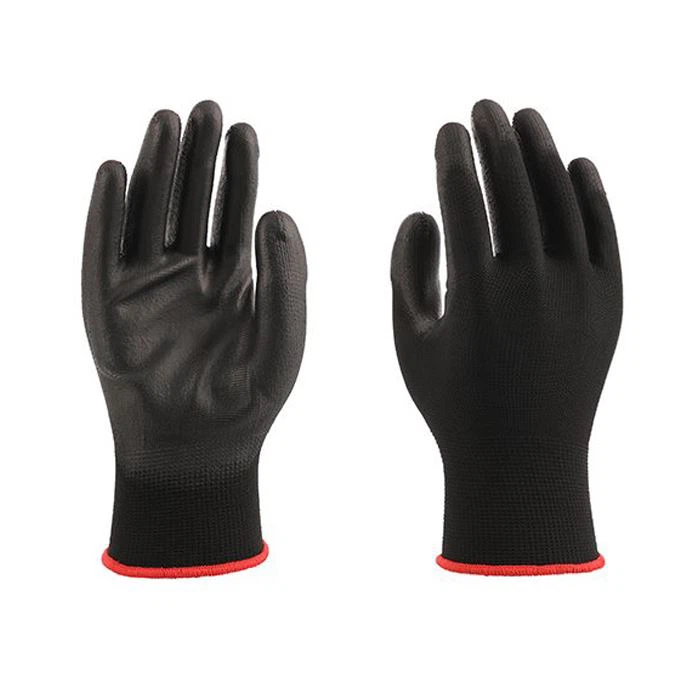
If you're looking for a more stylish option, we even have PU Coated Gloves - Black that can be used in both industrial and more fashion - conscious settings.
Conclusion
So, there you have it! The differences between white PU gloves and latex gloves are quite significant. Whether you're allergic to latex, need a more durable glove, or require better chemical resistance, white PU gloves have a lot to offer.
If you're interested in purchasing white PU gloves for your business or personal use, I'd love to talk to you. We have a wide range of white PU gloves to meet your specific needs. Just reach out, and we can start discussing the best options for you.
References
- "Gloves: A Practical Guide" - A handbook on different types of gloves and their uses.
- Industry reports on glove manufacturing and usage trends.