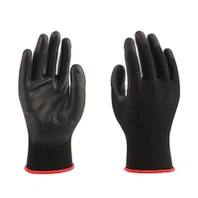
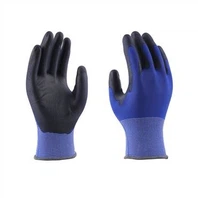
What is the coating thickness of nitrile coated work gloves?
As a supplier of Nitrile Coated Work Gloves, I often encounter inquiries about the coating thickness of these gloves. Understanding the coating thickness is crucial as it directly impacts the performance, durability, and suitability of the gloves for various applications.
Importance of Coating Thickness
The coating thickness of nitrile coated work gloves plays a significant role in determining their protective capabilities. A thicker coating generally provides better resistance to abrasion, punctures, and chemicals. For example, in industries where workers are exposed to sharp objects or harsh chemicals, gloves with a thicker nitrile coating are preferred to ensure maximum protection.
On the other hand, a thinner coating can offer greater dexterity and flexibility. This is beneficial in tasks that require precise hand movements, such as electronics assembly or laboratory work. Workers need to be able to handle small components with ease, and a thinner coating allows for a more natural feel and better tactile sensitivity.


Measuring Coating Thickness
The coating thickness of nitrile coated work gloves is typically measured in millimeters (mm) or thousandths of an inch (mils). Most manufacturers provide detailed information about the coating thickness in their product specifications. This information helps customers choose the right gloves for their specific needs.
There are various methods for measuring the coating thickness. One common method is using a micrometer, which provides a precise measurement of the thickness of the nitrile coating. Another method is through non - destructive testing techniques, such as ultrasonic thickness gauges. These gauges can measure the thickness without damaging the glove, making them suitable for quality control during the manufacturing process.
Typical Coating Thickness Ranges
The coating thickness of nitrile coated work gloves can vary widely depending on the intended use. For general purpose work gloves, the coating thickness may range from 0.1 mm to 0.3 mm (4 to 12 mils). These gloves offer a good balance between protection and dexterity, making them suitable for a wide range of tasks, including light assembly work, material handling, and maintenance.
For heavy - duty applications, such as construction, mining, or automotive repair, the coating thickness can be much thicker, ranging from 0.3 mm to 0.6 mm (12 to 24 mils) or even more. These gloves provide enhanced protection against abrasion, cuts, and punctures, but may sacrifice some dexterity.
In some specialized applications, such as chemical handling or food processing, the coating thickness may be tailored to meet specific requirements. For example, gloves used in chemical handling may have a thicker coating to provide better chemical resistance, while gloves for food processing may have a thinner, smoother coating to ensure hygiene and ease of cleaning.
Impact of Coating Thickness on Performance
- Abrasion Resistance: A thicker nitrile coating offers better abrasion resistance. In industries where workers are constantly handling rough materials or working in abrasive environments, gloves with a thicker coating will last longer and provide better protection. For instance, in the metalworking industry, where workers handle sharp edges and rough metal surfaces, a thick - coated nitrile glove can prevent premature wear and tear.
- Puncture Resistance: Similar to abrasion resistance, a thicker coating also improves puncture resistance. Gloves with a thicker nitrile layer are less likely to be punctured by sharp objects, such as nails, needles, or broken glass. This is crucial in industries like construction and healthcare, where the risk of puncture injuries is high.
- Chemical Resistance: The coating thickness can also affect the chemical resistance of the gloves. A thicker coating provides a greater barrier against chemicals, reducing the risk of chemical penetration. However, it's important to note that the type of nitrile material and its formulation also play a significant role in chemical resistance.
- Dexterity and Tactile Sensitivity: As mentioned earlier, a thinner coating allows for better dexterity and tactile sensitivity. Workers can perform tasks that require fine motor skills more easily with gloves that have a thinner nitrile coating. This is especially important in industries like electronics manufacturing, where workers need to handle small components accurately.
Our Product Offerings
We offer a wide range of nitrile coated work gloves with different coating thicknesses to meet the diverse needs of our customers.
Our Polyester Nitrile Coated Work Glove is a popular choice for general purpose work. It has a moderate coating thickness that provides good protection while still maintaining a high level of dexterity. The polyester liner offers added comfort and breathability, making it suitable for long - term use.
For those who need more protection, our Smooth Nitrile Coated Safety Work Glove features a thicker nitrile coating. This glove is ideal for heavy - duty applications where abrasion and puncture resistance are crucial. The smooth surface of the nitrile coating also makes it easy to clean, which is important in environments where hygiene is a concern.
Our 13G White Polyester Liner With Grey Nitrile Full Coated Finished Gloves are designed for a combination of comfort and protection. The 13 - gauge polyester liner provides a soft and comfortable fit, while the full - coated grey nitrile offers excellent protection against a variety of hazards.
Choosing the Right Coating Thickness
When choosing the coating thickness of nitrile coated work gloves, it's important to consider the following factors:
- Type of Work: Determine the specific tasks you will be performing. If it's light - duty work, a thinner coating may be sufficient. For heavy - duty or hazardous work, a thicker coating is recommended.
- Hazard Exposure: Identify the potential hazards you may encounter, such as abrasion, punctures, or chemicals. The coating thickness should be chosen to provide adequate protection against these hazards.
- Dexterity Requirements: Consider how much dexterity you need for your work. If you need to perform tasks that require precise hand movements, a thinner coating may be more suitable.
- Comfort: A thicker coating may be less comfortable for extended periods of use. Make sure to choose gloves that offer a good balance between protection and comfort.
Conclusion
The coating thickness of nitrile coated work gloves is a critical factor that affects their performance, durability, and suitability for different applications. By understanding the importance of coating thickness, how it is measured, and the typical ranges available, you can make an informed decision when choosing the right gloves for your needs.
As a supplier of Nitrile Coated Work Gloves, we are committed to providing high - quality products with a wide range of coating thickness options. If you have any questions or need assistance in choosing the right gloves, please feel free to contact us. We look forward to discussing your requirements and helping you find the perfect nitrile coated work gloves for your business.
References
- ASTM International. Standard Test Methods for Measuring Thickness of Coating Films.
- Glove manufacturers' product specifications and technical data sheets.
- Industry research reports on hand protection in various sectors.