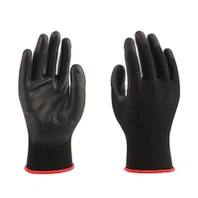
Hey there! As a supplier of nitrile coated gloves, I've seen firsthand how these gloves are a game - changer in various industries. They're tough, durable, and offer great protection. But like any piece of gear, they need proper care to keep them in top - notch condition. So, let's dive into the care instructions for nitrile coated gloves.
Storage
First off, storage is super important. You don't want to just toss your gloves in a random corner and expect them to last. When you're not using your nitrile coated gloves, store them in a cool, dry place. Avoid areas that are too hot or humid, like near a furnace or in a damp basement. High temperatures can cause the nitrile coating to break down over time, making the gloves less effective. And humidity can lead to mold growth, which is a big no - no.
A good option is to keep them in a sealed plastic container. This helps protect them from dust, dirt, and any potential contaminants in the air. You can also label the container with the type of gloves inside, like Industrial Nitrile Gloves or Microfoam Nitrile Gloves, so you can easily find what you need when you need it.
Cleaning
Cleaning your nitrile coated gloves regularly is crucial. After each use, give them a quick rinse under lukewarm water. This helps remove any loose debris, like dirt, oil, or chemicals. Don't use hot water, though, as it can damage the nitrile coating.
For a more thorough clean, you can use a mild soap or detergent. Gently rub the soap into the gloves, making sure to cover all areas, especially the coated parts. Rinse the gloves well to remove all the soap. You don't want any soap residue left on the gloves, as it can affect their performance.
Avoid using harsh chemicals or solvents to clean your gloves. These can break down the nitrile coating and weaken the gloves. If you've been working with particularly stubborn substances, like grease or paint, you might need to soak the gloves in a solution of mild soap and water for a few minutes before scrubbing them gently.

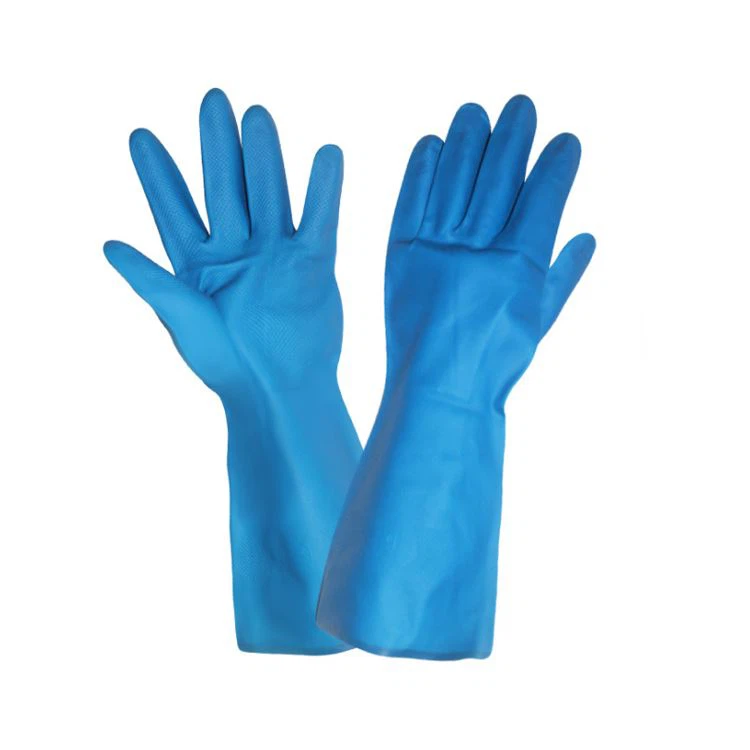
Once you've cleaned the gloves, dry them properly. Don't wring them out, as this can damage the structure of the gloves. Instead, gently squeeze out any excess water and lay them flat on a clean towel. Let them air - dry completely before storing them. Avoid using a dryer or any direct heat source to dry the gloves, as this can cause the nitrile to crack or peel.
Inspection
Before each use, it's a good idea to inspect your nitrile coated gloves. Look for any signs of damage, like cuts, tears, or holes. Even a small hole can compromise the glove's ability to protect you. If you find any damage, don't use the gloves. Replace them immediately to ensure your safety.
Check the nitrile coating for any signs of wear. Over time, the coating can start to wear off, especially in areas that get the most use, like the fingertips. If the coating is significantly worn, the gloves may not provide the same level of protection.
Also, pay attention to the fit of the gloves. If they're too loose or too tight, they can be uncomfortable to wear and may not perform as well. If you notice that the gloves are stretching out or becoming too tight over time, it might be time to get a new pair.
Avoiding Contamination
When handling nitrile coated gloves, make sure your hands are clean. Dirty hands can transfer contaminants to the gloves, which can then be transferred to whatever you're working on. Wash your hands thoroughly with soap and water before putting on the gloves.
If you're working in a cleanroom or a sterile environment, follow the proper procedures for putting on and removing the gloves to avoid contamination. For example, in a cleanroom, you might need to use a glove sanitizer before putting on the gloves and remove them in a way that prevents any particles from being released into the environment.
Handling Chemicals
If you're using nitrile coated gloves to handle chemicals, it's important to know which chemicals are compatible with the gloves. Not all nitrile gloves are suitable for all chemicals. Check the chemical resistance chart provided by the manufacturer to make sure the gloves can withstand the chemicals you're working with.
When working with chemicals, avoid letting the gloves come into contact with concentrated chemicals for extended periods. If possible, use a secondary barrier, like a chemical - resistant apron, to provide an extra layer of protection.
If the gloves do come into contact with a chemical, rinse them immediately with plenty of water. Even if the gloves are chemically resistant, it's still a good idea to clean them to remove any traces of the chemical.
Long - Term Care
For long - term care, if you're not going to use the gloves for an extended period, you can apply a light coating of talc powder to the inside of the gloves. This helps prevent the gloves from sticking together and makes them easier to put on.
Rotate your stock of gloves. If you have multiple pairs of nitrile coated gloves, use them in a rotation. This helps ensure that each pair gets a chance to rest and reduces the wear and tear on any one pair.
Conclusion
Taking good care of your nitrile coated gloves is essential for their performance and your safety. By following these care instructions, you can extend the lifespan of your gloves and get the most out of your investment.
If you're in the market for high - quality nitrile coated gloves, whether it's Industrial Nitrile Gloves or Microfoam Nitrile Gloves, I'm here to help. Feel free to reach out to discuss your needs and start a procurement conversation. We can find the perfect gloves for your specific requirements.
References
- "Hand Protection Guide" - Occupational Safety and Health Administration (OSHA)
- Manufacturer's product manuals for nitrile coated gloves.