Adjusting the tightness of knitted cotton gloves is a crucial skill that can significantly enhance comfort, functionality, and overall user experience. As a leading supplier of knitted cotton gloves, I understand the importance of ensuring the perfect fit for every customer. In this blog post, I will share some practical tips and techniques on how to adjust the tightness of knitted cotton gloves effectively.
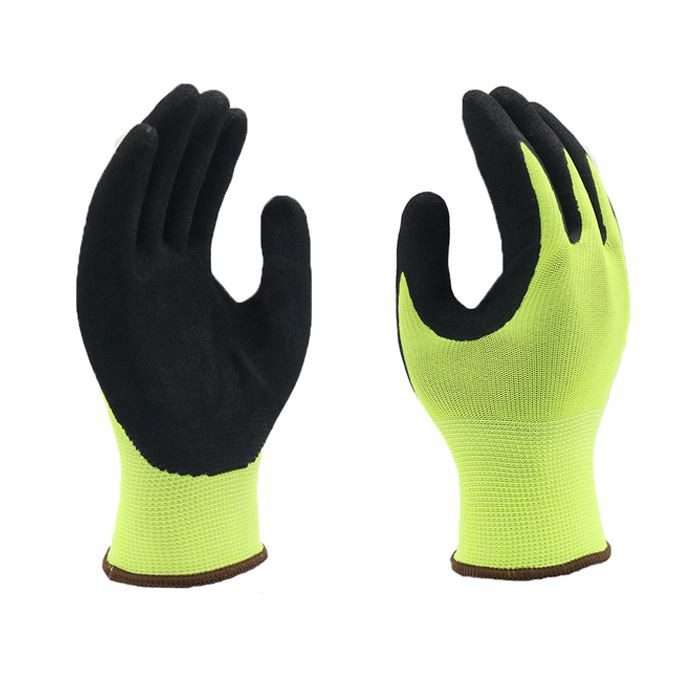

Understanding the Importance of Proper Fit
Before delving into the adjustment methods, it's essential to understand why a proper fit matters. Ill-fitting gloves can cause a range of issues, from discomfort and reduced dexterity to decreased protection and durability. Gloves that are too tight can restrict blood circulation, leading to numbness, tingling, and fatigue. On the other hand, gloves that are too loose can slip off easily, reducing grip and increasing the risk of accidents. A well-fitted pair of knitted cotton gloves, however, provides optimal comfort, flexibility, and protection, allowing you to perform your tasks with ease and confidence.
Assessing the Current Fit
The first step in adjusting the tightness of your knitted cotton gloves is to assess the current fit. Put on the gloves and pay attention to how they feel on your hands. Notice any areas that feel too tight or too loose, such as the fingers, wrists, or palms. You can also check for any signs of bunching, sagging, or excessive stretching. Based on your assessment, you can determine whether you need to tighten or loosen the gloves.
Tightening the Gloves
If your knitted cotton gloves are too loose, there are several ways to tighten them. Here are some effective methods:
-
Using Elastic Bands: One of the simplest ways to tighten the gloves is to use elastic bands. Cut a small piece of elastic band and wrap it around the wrist area of the glove. Secure the band in place by tying a knot or using a safety pin. You can adjust the tightness of the band by pulling it tighter or looser. This method is quick, easy, and can be customized to your desired level of tightness.
-
Adding Buttons or Snaps: Another option is to add buttons or snaps to the gloves. This method is more permanent but provides a more secure and adjustable fit. You can purchase buttons or snaps from a craft store and sew them onto the gloves at the desired locations. Make sure to choose buttons or snaps that are the right size and style for your gloves. Once the buttons or snaps are in place, you can adjust the tightness of the gloves by fastening or unfastening them.
-
Shrinking the Gloves: If your gloves are made of 100% cotton, you can try shrinking them to tighten the fit. Fill a sink or basin with hot water and add a small amount of mild detergent. Submerge the gloves in the water and let them soak for 10-15 minutes. Then, gently squeeze out the excess water and reshape the gloves. Place the gloves in a dryer on a high heat setting and dry them until they are completely dry. Check the fit of the gloves once they are dry. If they are still too loose, you can repeat the process.
Loosening the Gloves
If your knitted cotton gloves are too tight, there are also several ways to loosen them. Here are some effective methods:
-
Stretching the Gloves: One of the simplest ways to loosen the gloves is to stretch them. Put on the gloves and use your hands to gently stretch the material in the areas that feel too tight. You can also use a pair of pliers or a stretching tool to stretch the gloves more effectively. Make sure to stretch the gloves gradually and evenly to avoid damaging the material.
-
Using a Lubricant: Another option is to use a lubricant to loosen the gloves. You can use a small amount of lotion, oil, or soap to lubricate the inside of the gloves. Rub the lubricant into the material and let it sit for a few minutes. Then, put on the gloves and move your hands around to work the lubricant into the material. This method can help to soften the material and make it more flexible, allowing the gloves to fit more comfortably.
-
Washing the Gloves in Cold Water: If your gloves are made of 100% cotton, you can try washing them in cold water to loosen the fit. Fill a sink or basin with cold water and add a small amount of mild detergent. Submerge the gloves in the water and let them soak for 10-15 minutes. Then, gently squeeze out the excess water and reshape the gloves. Hang the gloves to dry in a well-ventilated area. Check the fit of the gloves once they are dry. If they are still too tight, you can repeat the process.
Maintaining the Proper Fit
Once you have adjusted the tightness of your knitted cotton gloves, it's important to maintain the proper fit. Here are some tips to help you keep your gloves in good condition:
-
Wash the Gloves Regularly: Washing your gloves regularly can help to keep them clean and fresh, as well as maintain their shape and fit. Make sure to follow the care instructions on the label of the gloves. Use a mild detergent and wash the gloves in cold or lukewarm water. Avoid using hot water or bleach, as these can damage the material. Hang the gloves to dry in a well-ventilated area.
-
Store the Gloves Properly: Storing your gloves properly can also help to maintain their shape and fit. Make sure to store the gloves in a cool, dry place away from direct sunlight and heat. Avoid folding or creasing the gloves, as this can cause them to lose their shape. You can also store the gloves in a glove box or a drawer to keep them organized and protected.
-
Replace the Gloves When Necessary: Over time, your knitted cotton gloves may wear out or lose their shape and fit. If you notice any signs of damage, such as holes, tears, or excessive stretching, it's time to replace the gloves. Wearing worn-out gloves can not only reduce comfort and functionality but also increase the risk of accidents and injuries.
Conclusion
Adjusting the tightness of knitted cotton gloves is a simple yet important skill that can significantly enhance your comfort, functionality, and overall user experience. By following the tips and techniques outlined in this blog post, you can easily adjust the tightness of your gloves to ensure a perfect fit. Remember to assess the current fit, choose the right adjustment method, and maintain the proper fit to keep your gloves in good condition. If you have any questions or need further assistance, please don't hesitate to contact us. We are a leading supplier of knitted cotton gloves and other safety gloves, including 13G Anti-Cut Sandy Nitrile Coated Safety Gloves, Heat Resistant Red Long Cow Leather, and 13G Polyester Sandy Nitrile Palm Coated Safety Gloves. We are committed to providing our customers with high-quality products and excellent customer service. Contact us today to learn more about our products and services and to discuss your procurement needs.
References
- "How to Adjust the Fit of Your Gloves." Gloveworx. Accessed [Date].
- "Tips for Maintaining the Fit of Your Gloves." SafetyGloves.com. Accessed [Date].
- "The Importance of a Proper Fit in Gloves." Occupational Safety and Health Administration. Accessed [Date].