Hey there! As a supplier of white PU gloves, I often get asked this question: How often should I replace white PU gloves? Well, it's not a one - size - fits - all answer, and there are quite a few factors to consider.
Usage Frequency
First off, how often you use the gloves plays a huge role. If you're using your white PU gloves on a daily basis for long hours, say in a factory setting where you're handling materials all day, they're going to wear out a lot faster than if you use them just once in a while for light tasks.
For example, if you're working in a food processing plant and you need to wear these gloves constantly to maintain hygiene standards, you might need to replace them every few days. The constant friction from handling food items, along with the exposure to different substances, can cause the PU coating to wear off and the glove material to break down.
On the other hand, if you're using the gloves for occasional DIY projects at home, like painting a small piece of furniture or doing some light gardening, you could get away with using them for months before needing a replacement.
Type of Work
The nature of the work you're doing is another crucial factor. Different jobs put different kinds of stress on the gloves.
- Heavy - duty work: If you're in a construction or automotive repair environment, your white PU gloves are going to take a beating. You're dealing with sharp objects, rough surfaces, and sometimes harsh chemicals. In this case, you might need to replace them after just a few uses. The sharp edges of metal sheets or the abrasive nature of sandpaper can quickly tear through the glove material. Even the PU coating, which is supposed to provide extra protection, can get damaged easily.
- Light - duty work: In a cleanroom environment, where the main concern is preventing contamination, the gloves don't face as much physical stress. However, they still need to be replaced regularly to maintain the required level of cleanliness. Usually, in a cleanroom, gloves are replaced after each shift or even more frequently depending on the strictness of the cleanliness standards.
Condition of the Gloves
You should always keep an eye on the condition of your white PU gloves. Here are some signs that it's time for a replacement:
- Tears and holes: This is an obvious one. Once you notice a tear or a hole in the glove, it's no longer providing the protection it's supposed to. Whether it's a small hole on the finger or a larger tear on the palm, it's time to get a new pair. A hole can expose your skin to whatever you're handling, whether it's a chemical, a sharp object, or a germ - laden surface.
- Worn - out coating: The PU coating on the gloves is there to provide grip, protection, and sometimes resistance to certain substances. If you notice that the coating is starting to peel off or wear thin, it's a sign that the glove is losing its effectiveness. You might find that you're having trouble gripping objects, or the glove isn't protecting you as well as it used to.
- Odor and discoloration: If your white PU gloves start to develop a strong odor or change color significantly, it's a sign that they're no longer in good condition. Odor can be a sign of bacteria growth, especially if you're using the gloves in a moist environment. Discoloration can indicate that the glove has been exposed to chemicals or has been damaged in some way.
Environmental Factors
The environment in which you're using the gloves can also affect how often you need to replace them.
- Temperature and humidity: High temperatures and humidity can cause the glove material to break down more quickly. In a hot and humid factory, for example, the moisture can seep into the glove, making it softer and more prone to tearing. The heat can also cause the PU coating to become brittle over time. On the other hand, in a cold environment, the glove material can become stiff, which can also lead to cracks and tears.
- Chemical exposure: If you're working in an environment where you're exposed to chemicals, the gloves need to be replaced more frequently. Even if the gloves are designed to be resistant to certain chemicals, prolonged exposure can still damage the material. Some chemicals can dissolve the PU coating or weaken the glove fabric, reducing its protective properties.
General Guidelines
Based on the above factors, here are some general guidelines on how often to replace white PU gloves:


- Light - use scenarios: For occasional home use or light office work, replace the gloves every 3 - 6 months.
- Moderate - use scenarios: If you're using the gloves for a few hours a day in a relatively clean environment, like an electronics assembly line, replace them every 1 - 2 weeks.
- Heavy - use scenarios: In a high - stress work environment, such as construction or heavy manufacturing, replace the gloves after a few uses or even after each use if the work is extremely demanding.
Other Related Products
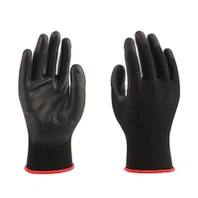
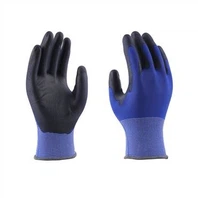
If you're interested in exploring other types of gloves, we also offer Black PU Coated Gloves, which are great for jobs that require a bit more durability and a darker color for less visible dirt. Our Pu Palm Coated Nylon Glove provides a good balance between flexibility and protection, making them suitable for a wide range of tasks. And for those who need extra protection on the top of the hand, our Black Coating PU Top Work Gloves are a great option.
Contact for Purchase
If you're looking to purchase white PU gloves or any of our other glove products, we'd love to hear from you. Whether you're a business looking to stock up on gloves for your employees or an individual in need of high - quality gloves for your personal use, we can provide you with the right solution. Reach out to us to start a discussion about your requirements and get a quote.
References
- Occupational Safety and Health Administration (OSHA) guidelines on personal protective equipment.
- Industry standards for glove usage and replacement in different sectors.
So, there you have it! The frequency of replacing white PU gloves depends on a variety of factors. By keeping an eye on the usage, the condition of the gloves, and the nature of your work, you can ensure that you're always using gloves that provide the best protection.