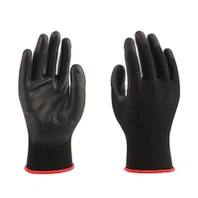
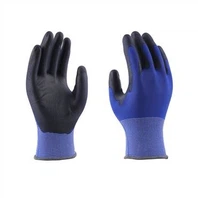
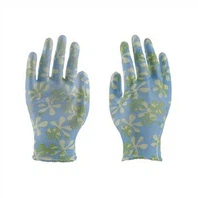
Determining how often to replace your Pu Palm Coated Nylon Glove is a crucial decision for both safety and cost - effectiveness. As a supplier of Pu Palm Coated Nylon Gloves, I've encountered numerous customers with questions regarding the replacement frequency. In this blog, I'll share insights to help you make an informed choice.
Understanding the Basics of Pu Palm Coated Nylon Gloves
Pu Palm Coated Nylon Gloves are widely used in various industries, from construction to manufacturing. The nylon base provides flexibility and comfort, while the PU palm coating enhances grip and durability. These gloves are designed to protect hands from abrasions, cuts, and chemicals to some extent. For more information on PU Coating Gloves For Safety Work, you can visit our website.
Factors Affecting the Replacement Frequency
Usage Intensity
The most significant factor influencing how often you should replace your gloves is the intensity of their use. In high - demand jobs where gloves are constantly in contact with rough surfaces, sharp objects, or heavy machinery, they will wear out much faster. For example, in a metal fabrication shop, workers handling sharp metal edges and performing grinding operations may need to replace their Pu Palm Coated Nylon Glove every few days. On the other hand, in an office - like environment where gloves are used occasionally for light tasks, they can last for weeks or even months.
Contact with Chemicals
Exposure to chemicals can also significantly reduce the lifespan of Pu Palm Coated Nylon Gloves. Different chemicals have varying effects on the PU coating and nylon material. Some solvents can dissolve the PU coating, while others may cause the nylon to weaken. If your work involves regular contact with chemicals, it's essential to refer to the chemical resistance chart provided by the glove manufacturer. In cases where gloves are exposed to strong chemicals, they may need to be replaced after a single use to ensure continuous protection.
Environmental Conditions
The environment in which the gloves are used plays a role as well. Extreme temperatures, high humidity, and exposure to sunlight can all degrade the materials of the gloves. In hot and humid conditions, the nylon may absorb moisture, which can lead to the growth of bacteria and fungi, causing the gloves to smell and deteriorate. In cold temperatures, the PU coating may become brittle and crack. For instance, workers in outdoor construction projects during winter may find that their gloves need more frequent replacement due to the cold weather.


Proper Maintenance
How well you maintain your gloves can extend or shorten their lifespan. Regular cleaning can remove dirt, debris, and chemicals that can cause premature wear. However, improper cleaning methods can also damage the gloves. For example, using harsh detergents or scrubbing too vigorously can damage the PU coating. If gloves are not dried properly after cleaning, it can lead to mold growth. By following the manufacturer's maintenance instructions, you can ensure that your gloves last as long as possible.
Signs That It's Time to Replace Your Gloves
Visible Wear and Tear
The most obvious sign that it's time to replace your Pu Palm Coated Nylon Gloves is visible damage. This includes holes, tears, or significant thinning of the glove material. Even small holes can compromise the glove's ability to protect your hands from hazards. If you notice that the PU coating is peeling or flaking off, it's a clear indication that the glove is no longer providing the intended level of grip and protection.
Loss of Grip
One of the primary functions of Pu Palm Coated Nylon Gloves is to provide a good grip. If you find that you're having difficulty holding onto tools or objects, it may be because the PU coating has worn off. A loss of grip not only affects your productivity but also increases the risk of accidents.
Discomfort
Gloves that have become stretched out, shrunk, or developed an unpleasant odor are no longer comfortable to wear. Discomfort can distract you from your work and may lead to less - than - optimal use of the gloves. If you're constantly adjusting or readjusting your gloves because they don't fit properly, it's a sign that they need to be replaced.
General Guidelines for Replacement Frequency
Based on the factors mentioned above, here are some general guidelines for replacing Pu Palm Coated Nylon Gloves:
- Light - Duty Use: For occasional tasks such as light assembly work or handling non - sharp objects in a clean environment, gloves can be replaced every 1 - 2 months.
- Medium - Duty Use: In jobs where gloves are used regularly but not exposed to extreme conditions or heavy wear, such as general manufacturing work, replacement every 1 - 2 weeks is recommended.
- Heavy - Duty Use: For high - intensity jobs like construction, mining, or metalworking, gloves may need to be replaced every few days or even daily in some cases.
Cost - Benefit Analysis
While it may seem cost - effective to use gloves for as long as possible, it's important to consider the potential costs of not replacing them in a timely manner. Worn - out gloves can lead to an increased risk of injuries, which can result in lost workdays, medical expenses, and potential legal issues. On the other hand, replacing gloves too frequently can also add to your operating costs. By finding the right balance between cost and safety, you can optimize your glove usage.
Conclusion
Determining how often to replace your Pu Palm Coated Nylon Gloves is a complex decision that depends on multiple factors. By considering the intensity of use, exposure to chemicals, environmental conditions, and proper maintenance, you can make an informed choice. Regularly inspecting your gloves for signs of wear and tear is essential to ensure continuous protection. As a supplier of Black PU Coated Gloves and other Pu Palm Coated Nylon Gloves, we are committed to providing high - quality products and helping our customers make the best decisions for their safety and cost - effectiveness.
If you have any questions about our Pu Palm Coated Nylon Gloves or need assistance in determining the right replacement frequency for your specific needs, we encourage you to contact us for a procurement discussion. Our team of experts is ready to provide you with personalized advice and support.
References
- "Hand Protection Guide" - Occupational Safety and Health Administration (OSHA)
- "Glove Material Properties and Performance" - National Institute for Occupational Safety and Health (NIOSH)