Yo! As a supplier of white PU gloves, I often get asked how they stack up against vinyl gloves. So, I thought I'd break it down for you in this blog post.
Let's start with the basics. White PU gloves are made with a polyurethane (PU) coating on a base material, usually nylon or polyester. This coating gives the gloves excellent grip, durability, and resistance to abrasion. On the other hand, vinyl gloves are made from polyvinyl chloride (PVC), a type of plastic. They're known for being inexpensive, disposable, and resistant to chemicals.
Comfort and Fit
When it comes to comfort, white PU gloves have a clear edge. The nylon or polyester base material is soft and flexible, allowing for a snug fit that doesn't restrict movement. The PU coating also adds a layer of comfort by providing a smooth, non-irritating surface. Vinyl gloves, on the other hand, can be a bit stiff and uncomfortable, especially if you're wearing them for an extended period. They also tend to be looser, which can make them less precise to use.
Grip and Dexterity
One of the main advantages of white PU gloves is their superior grip. The PU coating provides a tacky surface that allows you to hold onto objects securely, even when your hands are wet or oily. This makes them ideal for tasks that require a high level of dexterity, such as handling small parts or working with tools. Vinyl gloves, on the other hand, have a smooth surface that can make it difficult to grip objects, especially if they're slippery.
Durability and Resistance
White PU gloves are also more durable than vinyl gloves. The PU coating is resistant to abrasion, punctures, and tears, which means they can withstand more wear and tear. This makes them a better choice for tasks that are rough on gloves, such as construction, manufacturing, or automotive work. Vinyl gloves, on the other hand, are more prone to tearing and puncturing, which means they need to be replaced more frequently.
Chemical Resistance
Both white PU gloves and vinyl gloves offer some level of chemical resistance, but the type and degree of resistance can vary depending on the specific product. White PU gloves are generally more resistant to oils, greases, and solvents than vinyl gloves. This makes them a better choice for tasks that involve handling these types of chemicals. Vinyl gloves, on the other hand, are more resistant to acids and alkalis, which makes them a better choice for tasks that involve handling these types of chemicals.
Cost
Cost is always a factor when choosing gloves, and vinyl gloves are generally less expensive than white PU gloves. This makes them a popular choice for applications where cost is a major concern, such as food service, janitorial work, or medical settings. However, it's important to remember that the cost of gloves isn't just about the purchase price. You also need to consider the cost of replacement, as well as the impact on productivity and safety.
Applications
So, which type of glove is right for you? It really depends on your specific needs and the type of work you're doing. Here are some common applications for white PU gloves and vinyl gloves:
White PU Gloves
- Industrial Work: White PU gloves are a popular choice for industrial applications, such as construction, manufacturing, and automotive work. They offer excellent grip, durability, and resistance to abrasion, making them ideal for tasks that are rough on gloves.
- Electronics Assembly: The superior grip and dexterity of white PU gloves make them a great choice for electronics assembly work. They allow you to handle small parts and components with precision, without leaving fingerprints or other contaminants.
- Food Service: White PU gloves are also suitable for food service applications, as they are resistant to oils, greases, and solvents. They are also latex-free, which makes them a good choice for people with latex allergies.
Vinyl Gloves
- Medical Settings: Vinyl gloves are a popular choice for medical settings, as they are inexpensive, disposable, and resistant to chemicals. They are also latex-free, which makes them a good choice for people with latex allergies.
- Food Service: Vinyl gloves are also commonly used in food service applications, as they are inexpensive and easy to replace. They are also resistant to acids and alkalis, which makes them a good choice for tasks that involve handling these types of chemicals.
- Janitorial Work: Vinyl gloves are a good choice for janitorial work, as they are resistant to chemicals and easy to clean. They are also disposable, which makes them a convenient option for cleaning up spills and messes.
Our White PU Gloves
At our company, we offer a wide range of white PU gloves to meet the needs of different industries and applications. Here are some of our popular products:
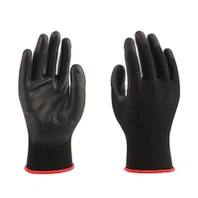
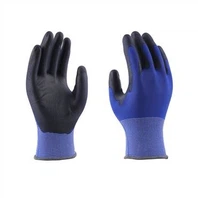
- Pu Palm Coated Nylon Glove: This glove features a PU coating on the palm and fingers, providing excellent grip and durability. The nylon base material is soft and flexible, allowing for a comfortable fit.
- Black Coating PU Top Work Gloves: These gloves have a black PU coating on the top of the hand, providing additional protection against abrasion and wear. The palm and fingers are coated with a clear PU, providing excellent grip and dexterity.
- 13G CARBON FIBER ANTI-STATIC PU COATED GLOVES: These gloves are made with a 13-gauge carbon fiber base material, providing excellent strength and durability. The PU coating on the palm and fingers provides excellent grip, while the anti-static properties make them suitable for use in electronics and other sensitive environments.
Conclusion
In conclusion, white PU gloves and vinyl gloves each have their own unique advantages and disadvantages. When choosing gloves, it's important to consider your specific needs and the type of work you're doing. If you need a glove that offers excellent grip, durability, and resistance to abrasion, then white PU gloves are probably the better choice. If you need a glove that is inexpensive, disposable, and resistant to chemicals, then vinyl gloves may be the better option.

If you're interested in learning more about our white PU gloves or have any questions about which type of glove is right for you, please don't hesitate to contact us. We'd be happy to help you find the perfect glove for your needs.
References
- ASTM International. (n.d.). Standard Test Methods for Resistance of Protective Clothing Materials to Permeation by Liquids and Gases. Retrieved from https://www.astm.org/Standards/F739.htm
- Occupational Safety and Health Administration (OSHA). (n.d.). Personal Protective Equipment. Retrieved from https://www.osha.gov/PersonalProtectiveEquipment
- National Institute for Occupational Safety and Health (NIOSH). (n.d.). Chemical Resistance of Protective Gloves. Retrieved from https://www.cdc.gov/niosh/docs/2005-151/