As a supplier of Pu Palm Coated Nylon Gloves, I often encounter inquiries from customers comparing our products with rubber gloves. This blog aims to provide a comprehensive comparison between Pu Palm Coated Nylon Gloves and rubber gloves, highlighting their features, advantages, and applications.
Material and Construction
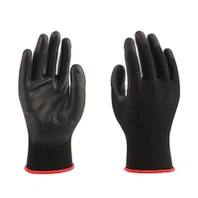
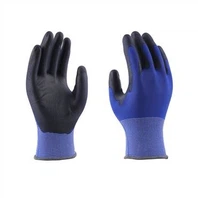
Pu Palm Coated Nylon Gloves are crafted with a nylon base material, which is known for its lightweight and breathable nature. The palm area is coated with polyurethane (PU), a synthetic material that offers excellent grip and abrasion resistance. The combination of nylon and PU creates a glove that is flexible, comfortable, and durable.
On the other hand, rubber gloves are typically made from natural or synthetic rubber materials. Natural rubber gloves are derived from latex, a milky fluid obtained from rubber trees. Synthetic rubber gloves, such as nitrile or neoprene, are manufactured through chemical processes. Rubber gloves are known for their high elasticity, waterproofness, and chemical resistance.
Comfort and Fit
One of the key advantages of Pu Palm Coated Nylon Gloves is their superior comfort and fit. The nylon base material is soft and flexible, allowing for a snug fit that conforms to the shape of the hand. The breathable nature of nylon also helps to reduce sweating and discomfort, making these gloves ideal for extended use.


Rubber gloves, while providing a good fit, can sometimes feel bulky and restrictive. The high elasticity of rubber can cause the gloves to stretch and lose their shape over time, leading to a less comfortable fit. Additionally, rubber gloves can trap heat and moisture, making the hands feel sweaty and uncomfortable.
Grip and Dexterity
Pu Palm Coated Nylon Gloves are designed to provide excellent grip and dexterity. The PU coating on the palm area enhances friction, allowing for a secure hold on objects. This makes these gloves suitable for tasks that require precision and control, such as handling small parts or operating machinery.
Rubber gloves also offer good grip, but their performance may vary depending on the type of rubber and the surface being handled. Some rubber gloves may have a smooth surface, which can reduce friction and make it more difficult to hold onto objects. Additionally, the thickness of rubber gloves can sometimes limit dexterity, making it challenging to perform delicate tasks.
Durability and Abrasion Resistance
Pu Palm Coated Nylon Gloves are highly durable and resistant to abrasion. The nylon base material provides strength and tear resistance, while the PU coating adds an extra layer of protection against wear and tear. These gloves can withstand repeated use and exposure to rough surfaces without losing their shape or functionality.
Rubber gloves are also durable, but they may be more prone to punctures and tears compared to Pu Palm Coated Nylon Gloves. The high elasticity of rubber can make it more difficult to resist sharp objects, and the material may degrade over time when exposed to certain chemicals or environmental conditions.
Chemical Resistance
Rubber gloves are generally known for their excellent chemical resistance. They can provide protection against a wide range of chemicals, including acids, bases, solvents, and oils. The type of rubber used in the gloves will determine their specific chemical resistance properties.
Pu Palm Coated Nylon Gloves, while not as chemically resistant as rubber gloves, can still provide some level of protection against certain chemicals. The PU coating on the palm area can help to resist minor chemical splashes and spills. However, for tasks that involve prolonged exposure to hazardous chemicals, rubber gloves are typically the preferred choice.
Applications
Pu Palm Coated Nylon Gloves are suitable for a variety of applications, including industrial work, gardening, construction, and automotive repair. Their lightweight and breathable design make them comfortable to wear for extended periods, while their excellent grip and dexterity make them ideal for tasks that require precision and control.
Rubber gloves are commonly used in industries such as healthcare, food processing, cleaning, and chemical handling. Their high elasticity, waterproofness, and chemical resistance make them suitable for tasks that involve contact with liquids, chemicals, or biological substances.
Conclusion
In conclusion, both Pu Palm Coated Nylon Gloves and rubber gloves have their own unique features and advantages. Pu Palm Coated Nylon Gloves offer superior comfort, fit, grip, and dexterity, making them ideal for tasks that require precision and control. Rubber gloves, on the other hand, provide excellent chemical resistance, waterproofness, and durability, making them suitable for tasks that involve contact with hazardous substances or liquids.
When choosing between Pu Palm Coated Nylon Gloves and rubber gloves, it is important to consider the specific requirements of the task at hand. If comfort, fit, and dexterity are the primary concerns, Pu Palm Coated Nylon Gloves may be the better choice. If chemical resistance, waterproofness, and durability are the main priorities, rubber gloves may be more suitable.
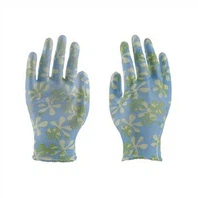
As a supplier of Pu Palm Coated Nylon Gloves, we offer a wide range of products to meet the diverse needs of our customers. Our Black PU Coated Gloves are perfect for industrial applications, while our PU Gardening Gloves provide excellent protection and comfort for gardening tasks. We also offer White PU Gloves for applications that require a clean and professional appearance.
If you are interested in purchasing Pu Palm Coated Nylon Gloves or have any questions about our products, please feel free to contact us for more information. We look forward to working with you and providing you with the best quality gloves for your needs.
References
- "Gloves: A Guide to Selection and Use." Occupational Safety and Health Administration (OSHA).
- "The Properties and Applications of Polyurethane." Polyurethane Manufacturers Association (PMA).
- "Rubber Gloves: Types, Uses, and Safety Considerations." National Institute for Occupational Safety and Health (NIOSH).