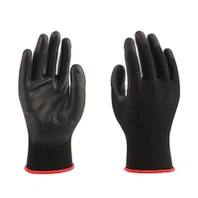
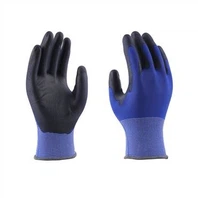
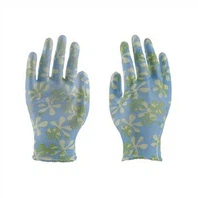
Gardening is a rewarding hobby that allows us to connect with nature and cultivate beautiful outdoor spaces. However, it also exposes our hands to various hazards, including thorns, chemicals, and dirt. That's where gardening gloves come in. They provide a protective barrier between our hands and the elements, ensuring a safe and comfortable gardening experience. Among the many types of gardening gloves available on the market, PU (Polyurethane) gardening gloves and rubber gardening gloves are two popular choices. In this blog post, I'll compare these two types of gloves, highlighting their features, benefits, and drawbacks. As a supplier of PU Gardening Gloves, I have in - depth knowledge of the product and can offer valuable insights.
Material and Construction
Let's start with the material. Rubber gardening gloves are typically made from natural rubber or synthetic rubber compounds. Natural rubber is derived from the latex sap of rubber trees, while synthetic rubber is chemically engineered to mimic the properties of natural rubber. These gloves are often fully coated with rubber, providing a thick and durable layer of protection.
On the other hand, PU gardening gloves are made from a base material, usually nylon or polyester, which is then coated with a layer of polyurethane. The coating can be applied to the palm, fingers, or the entire glove, depending on the design. This construction allows for a lighter and more flexible glove compared to rubber gloves.
Comfort
Comfort is a crucial factor when choosing gardening gloves. Rubber gloves, due to their thick and heavy nature, can feel bulky and restrictive on the hands. They may also cause the hands to sweat, especially during long gardening sessions, leading to discomfort and potential skin irritation.
PU gardening gloves, however, offer superior comfort. The lightweight base material combined with the thin polyurethane coating allows for a greater range of motion. The gloves fit snugly on the hands without being too tight, and they are breathable, reducing sweating and keeping the hands dry. This makes them a great choice for extended periods of gardening.
Dexterity
Dexterity is essential for tasks such as planting, weeding, and pruning. Rubber gloves, with their thick and rigid construction, can limit finger movement and make it difficult to perform delicate tasks. It may be challenging to pick up small seeds or manipulate small tools while wearing rubber gloves.
PU gardening gloves excel in this area. The thin and flexible polyurethane coating allows for excellent finger dexterity. You can easily grasp small objects, tie knots, and use precision tools without any hindrance. This makes them ideal for detailed gardening work.
Durability
When it comes to durability, both types of gloves have their strengths. Rubber gloves are known for their toughness and resistance to punctures and abrasions. They can withstand rough handling, sharp thorns, and heavy - duty tasks. However, they may be prone to cracking and deterioration over time, especially if exposed to extreme temperatures or chemicals.
PU gardening gloves also offer good durability. The polyurethane coating provides a high level of resistance to wear and tear. It is resistant to many chemicals commonly used in gardening, such as fertilizers and pesticides. Additionally, the base material is strong and can withstand repeated use. While they may not be as puncture - resistant as rubber gloves, they are still suitable for most gardening tasks.
Chemical Resistance
Gardening often involves the use of various chemicals, such as pesticides, herbicides, and fertilizers. Rubber gloves provide a good level of chemical resistance, especially against water - based chemicals. However, they may not be as effective against certain solvents and oils.
PU gardening gloves offer excellent chemical resistance. The polyurethane coating acts as a barrier against a wide range of chemicals, including solvents, oils, and acids. This makes them a safer choice when working with potentially harmful substances. For example, if you are applying a chemical fertilizer or using a pesticide, PU Coated Gloves - Black can provide reliable protection for your hands.
Grip
A good grip is essential for holding tools and handling wet or slippery objects in the garden. Rubber gloves typically have a good grip due to their textured surface. However, the grip may deteriorate over time as the rubber wears out or becomes dirty.
PU gardening gloves also offer a reliable grip. The polyurethane coating can be engineered to have a textured surface, providing excellent traction. Whether you are holding a wet hose or a slippery plant pot, the gloves will help you maintain a firm hold. Moreover, the grip of PU gloves remains consistent even after repeated use and washing.
Cost
Cost is an important consideration for many gardeners. Rubber gloves are generally more affordable, especially the basic models. They are widely available in hardware stores and garden centers at a relatively low price.
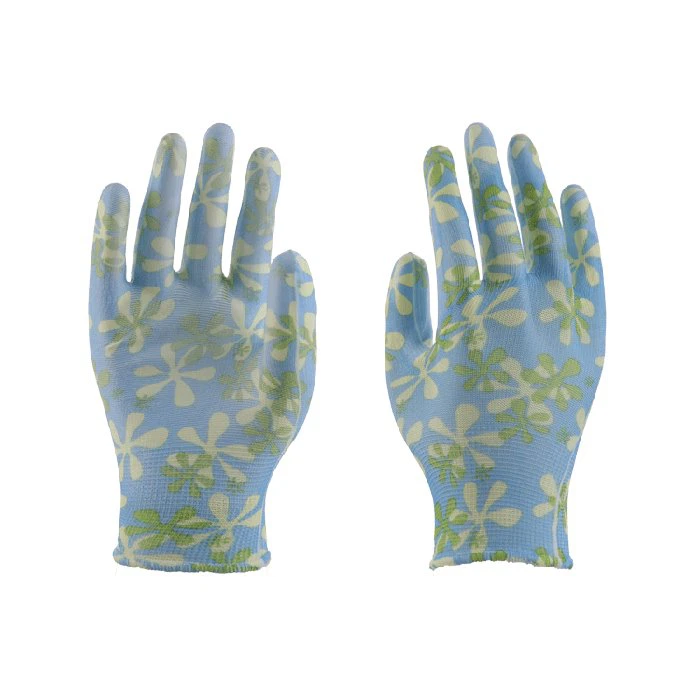
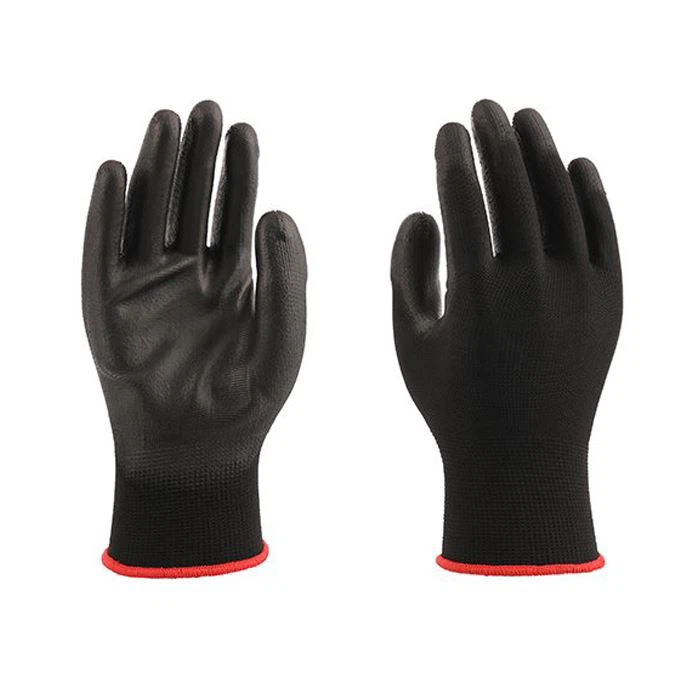
PU gardening gloves, on the other hand, tend to be more expensive. The cost is mainly due to the advanced manufacturing process and the use of high - quality materials. However, considering their superior comfort, dexterity, and chemical resistance, they offer good value for money in the long run.
Environmental Impact
In today's environmentally - conscious world, the environmental impact of products is a significant concern. Rubber gloves, especially those made from natural rubber, are biodegradable. However, the production of synthetic rubber involves the use of petrochemicals, which can have a negative impact on the environment.
PU gardening gloves are not biodegradable. However, many manufacturers are now focusing on developing more sustainable production methods. For example, some Polyurethane Coating Gloves PU For Safety Work are made using eco - friendly polyurethane coatings and recycled base materials, reducing their environmental footprint.
Conclusion
In conclusion, both PU gardening gloves and rubber gardening gloves have their own unique advantages and disadvantages. Rubber gloves are durable, affordable, and offer good general protection. They are a great choice for heavy - duty gardening tasks and when working in rough conditions.
PU gardening gloves, on the other hand, offer superior comfort, dexterity, and chemical resistance. They are ideal for detailed gardening work and when working with chemicals. If you value a comfortable fit, excellent finger movement, and reliable chemical protection, then PU gardening gloves are the way to go.
As a supplier of high - quality PU gardening gloves, I am confident that our products can meet your gardening needs. Whether you are a professional gardener or a hobbyist, our gloves will provide you with the protection and performance you require. If you are interested in purchasing our PU gardening gloves or have any questions, please feel free to contact us for further discussion. We look forward to serving you and helping you make your gardening experience more enjoyable and safe.
References
- "Hand Protection in Gardening: A Comparative Study of Glove Materials", Journal of Horticultural Safety, Volume 12, Issue 3.
- "The Science of Polyurethane Coatings in Protective Gloves", Industrial Safety Magazine, April 2022.
- "Rubber and Its Applications in Gardening Gloves", Rubber Technology Review, Volume 25, Issue 2.