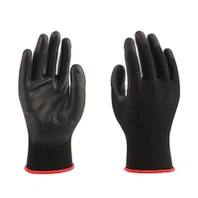
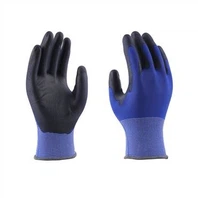
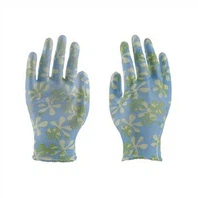
In the realm of protective gloves, nitrile foam coated gloves and neoprene gloves are two popular choices, each with its own set of characteristics and applications. As a supplier of nitrile foam coated gloves, I am well - versed in the features of both types and eager to share a detailed comparison.
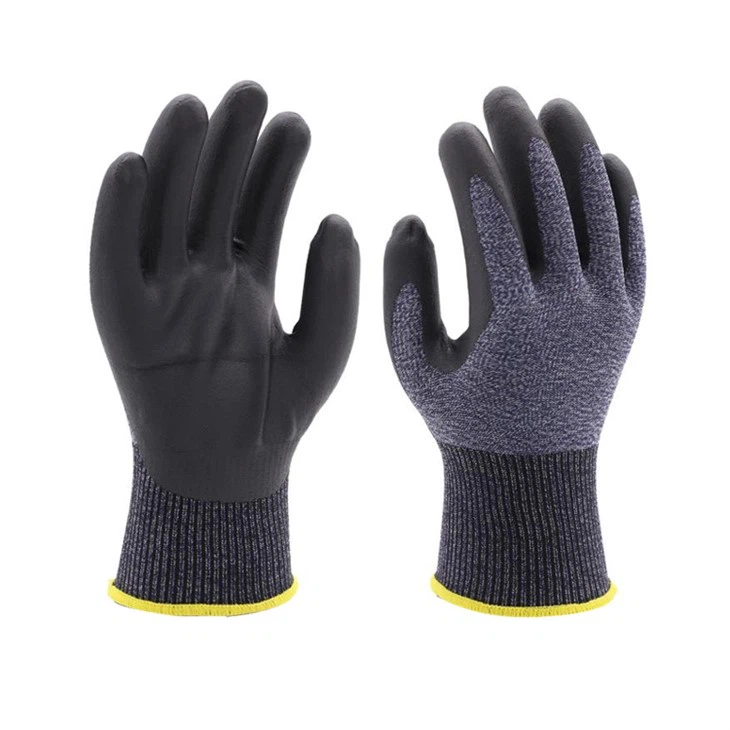

1. Material Composition
Nitrile foam coated gloves are crafted with a nitrile foam coating on a base fabric, typically nylon or a nylon - spandex blend. The nitrile foam is created through a specialized process that involves foaming the nitrile material. This results in a porous structure that offers unique properties. Gray Nylon With Spandex Micro Foam Nitrile Coated Gloves are a prime example of this type, leveraging the flexibility of the nylon - spandex blend and the protection of the nitrile foam coating.
On the other hand, neoprene gloves are made from synthetic rubber called neoprene. Neoprene is created by polymerizing chloroprene, a monomer that produces a durable and flexible material. Its chemical structure gives it a range of beneficial properties, making it suitable for various industries.
2. Comfort and Fit
One of the significant advantages of nitrile foam coated gloves is their comfort. The foam coating is lightweight and breathable. The porous structure of the nitrile foam allows air to circulate, reducing sweating and heat build - up inside the glove. This is especially important for workers who need to wear gloves for extended periods. The base fabric, such as the nylon - spandex blend, conforms well to the hand, providing a snug yet flexible fit. Workers can perform delicate tasks with ease as the gloves do not restrict hand movement.
Neoprene gloves also offer a good level of comfort. They are flexible and have a natural stretch, which means they can adapt to the shape of the hand. However, compared to nitrile foam coated gloves, neoprene can be less breathable. The solid rubber structure of neoprene does not allow air to pass through as easily, which may lead to a warmer and more humid environment inside the glove during long - term use.
3. Chemical Resistance
Nitrile foam coated gloves have excellent chemical resistance. They are resistant to a wide range of oils, greases, and common chemicals. The nitrile material forms a barrier that protects the hand from harmful substances. The foam structure can also provide some buffering, in case there is contact with chemicals. Workers in industries such as automotive, manufacturing, and chemical handling can rely on nitrile foam coated gloves to keep their hands safe. Water Flushed Microfoam Nitrile Coated Gloves are designed to offer enhanced protection and are suitable for various chemical - related applications.
Neoprene gloves also demonstrate good chemical resistance, especially against certain types of solvents and oils. However, their resistance may not be as broad - spectrum as nitrile foam coated gloves. Neoprene is more vulnerable to degradation when exposed to some strong acids and alkalis. In industries where workers may encounter a diverse range of chemicals, nitrile foam coated gloves may be a more reliable choice.
4. Abrasion Resistance
Nitrile foam coated gloves offer excellent abrasion resistance. The nitrile foam coating is tough and can withstand friction and wear. The foam structure also helps to distribute the force of abrasion, reducing the likelihood of the coating getting worn through quickly. This makes them ideal for tasks that involve gripping rough objects or working in environments with abrasive surfaces, such as construction or woodworking. Microfoam Nitrile Coated Gloves Water Flushed are engineered to provide long - lasting protection against abrasion.
Neoprene gloves also have decent abrasion resistance. The rubber material is relatively durable and can handle light to moderate abrasion. However, for heavy - duty abrasion tasks, nitrile foam coated gloves may outperform neoprene gloves due to the superior toughness of the nitrile foam.
5. Touch Sensitivity
Touch sensitivity is crucial in many applications, such as electronics assembly or laboratory work. Nitrile foam coated gloves offer good touch sensitivity. The thin and flexible nature of the nitrile foam coating, combined with the responsive base fabric, allows workers to feel objects accurately. Fingers can perform precise movements, making it easier to handle small components or perform delicate operations.
Neoprene gloves, although flexible, may reduce touch sensitivity to some extent. The thicker rubber material can act as a barrier between the hand and the object being handled, making it more difficult to feel fine details. Workers who require high - level touch sensitivity may find nitrile foam coated gloves more suitable.
6. Cost - effectiveness
In terms of cost - effectiveness, nitrile foam coated gloves can be a great option. Their combination of comfort, durability, and protection offers a high level of value for money. They have a longer lifespan in many applications due to their good abrasion and chemical resistance, which means fewer glove replacements over time. Additionally, the ability to perform a wide range of tasks with a single pair of nitrile foam coated gloves can further reduce costs.
Neoprene gloves can be relatively more expensive, especially if high - quality neoprene is used. Their limited chemical resistance and slightly lower touch sensitivity may also mean that they are not as versatile as nitrile foam coated gloves in some cases. As a result, the overall cost - effectiveness of neoprene gloves may be lower compared to nitrile foam coated gloves.
7. Environmental Considerations
Nitrile is a synthetic material, but nitrile foam coated gloves can be more environmentally friendly in some aspects. The manufacturing process of nitrile foam can be optimized to reduce waste and energy consumption. Additionally, some nitrile foam coated gloves are designed to be recyclable, which helps to minimize their impact on the environment.
Neoprene is also a synthetic rubber, and its production can have environmental implications. The manufacturing process of neoprene involves the use of chemicals and energy. Moreover, neoprene gloves are generally less recyclable compared to some nitrile foam coated gloves.
Contact for Purchase and Further Discussion
As a supplier of high - quality nitrile foam coated gloves, I understand the importance of choosing the right protective gloves for your specific needs. Whether you are in the automotive, manufacturing, construction, or any other industry that requires hand protection, our nitrile foam coated gloves offer a reliable solution.
If you are interested in purchasing nitrile foam coated gloves or have any questions regarding their performance, suitability for your application, or pricing, please feel free to reach out. We are more than happy to engage in detailed discussions and provide you with the best solutions for your hand - protection requirements.
References
- "Hand Protection Guide", Occupational Safety and Health Administration
- "Materials Science of Protective Gloves", Journal of Industrial Materials Research